
101 Exterminators Inc.
CA Licensed Structural Pest Control · SPCB Lic. #9119
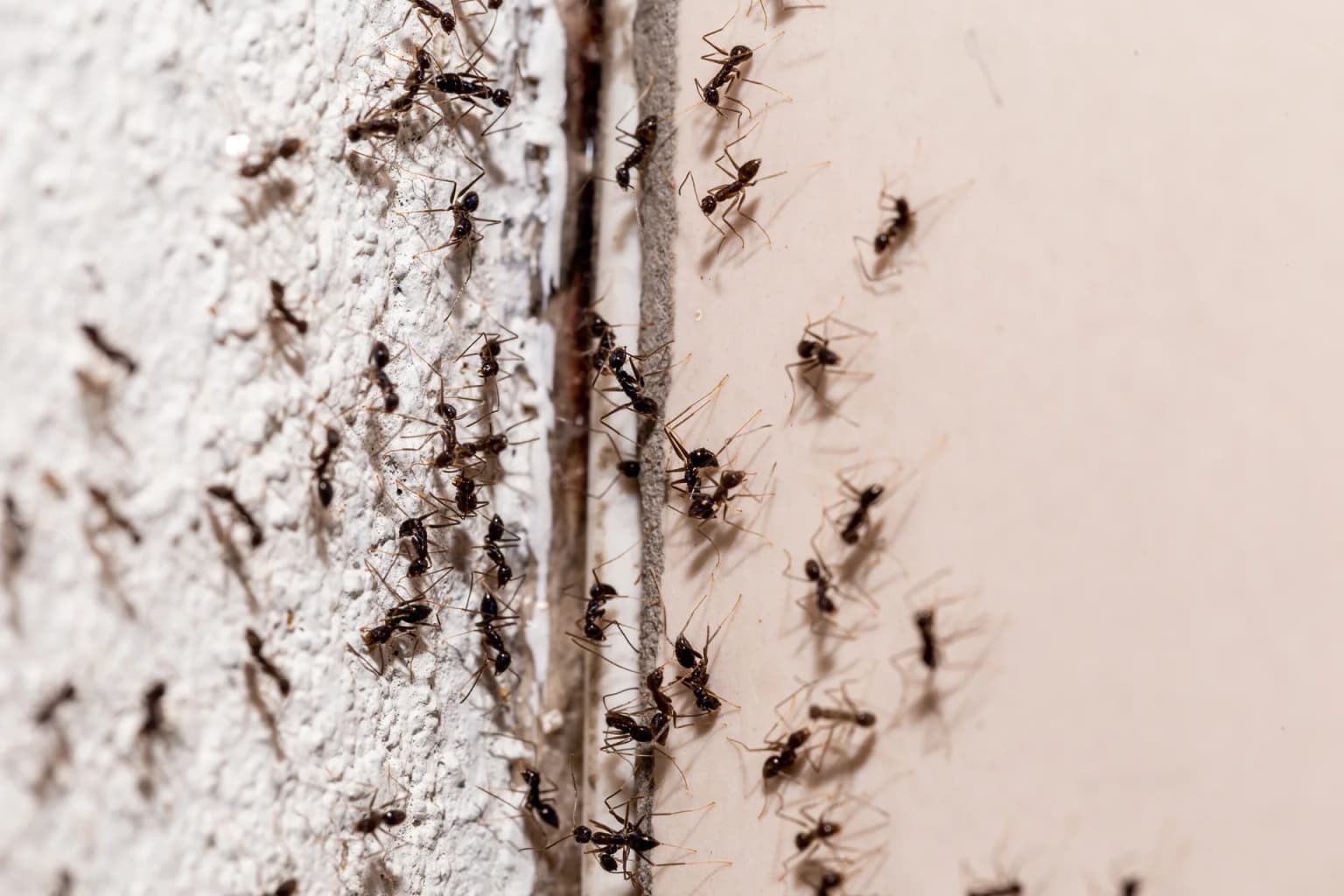
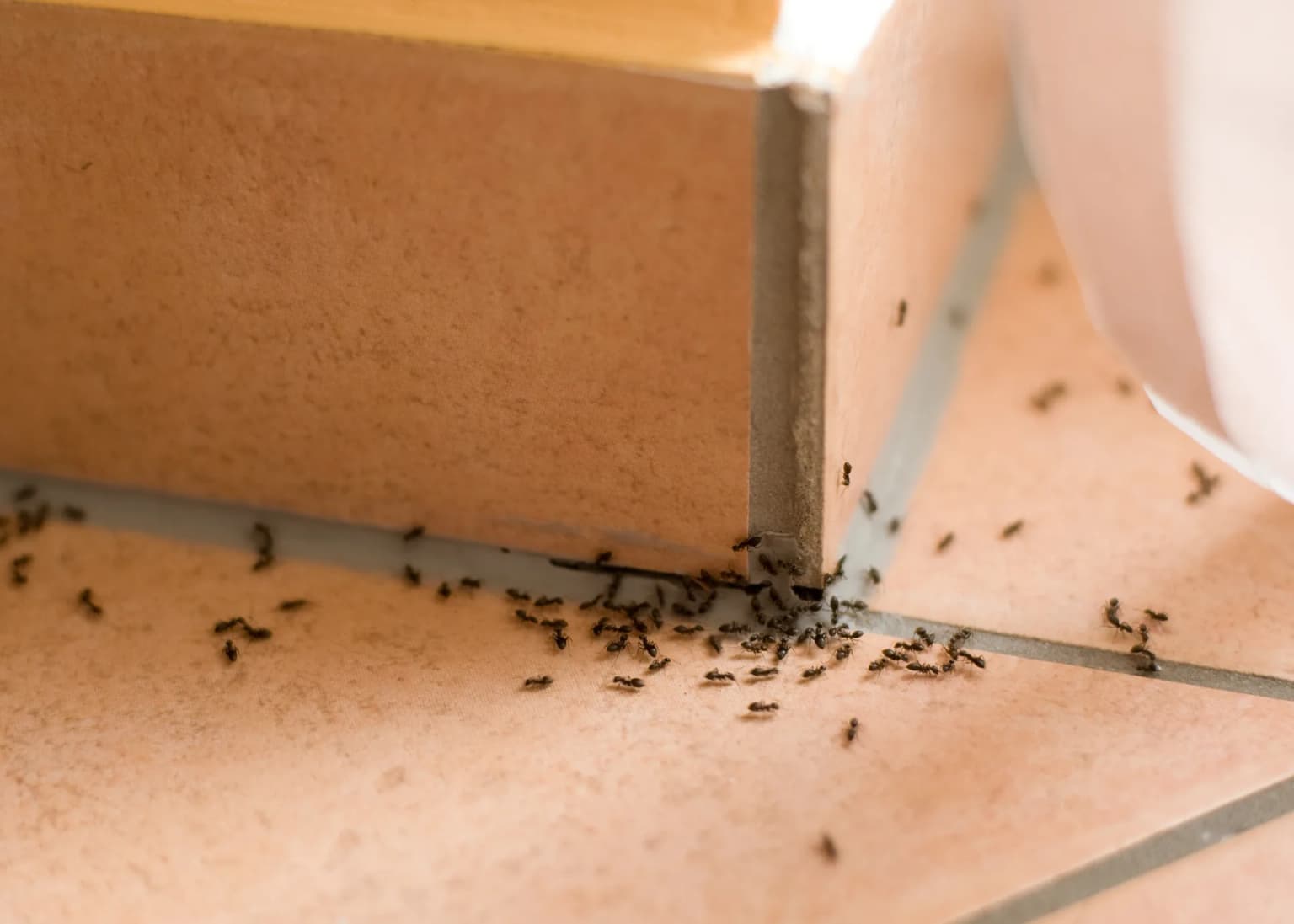
Every spring, Central California homeowners watch ants stream into their kitchens, bathrooms, and walls within hours of a significant rain event. This isn't coincidence — it's a predictable behavioral response from Argentine ants, the dominant ant species in coastal California. Understanding why it happens explains why store-bought ant sprays consistently fail to stop it, and what actually works.
Why Rain Triggers an Ant Invasion
Argentine ants (Linepithema humile) nest in the top 6 inches of soil, typically along foundations, under mulch, and in irrigated landscaping. When heavy rain saturates the soil, nest chambers flood and colonies are forced to relocate. They don't randomly scatter — they move toward the nearest dry, warm shelter: your house. This typically produces a large, organized invasion within 12–24 hours of significant rainfall. The invasion is especially pronounced in Salinas, where agricultural irrigation keeps soil moist and ant populations dense along irrigation borders.
Did You Know
Argentine ants aren't invading looking for food. They're escaping flooded nests. This is why cleaning your kitchen more thoroughly during an invasion doesn't stop the ants — they're not there because you left crumbs out.
Why Argentine Ants Are Different from Every Other Ant

Argentine ants behave unlike native California ant species and require a completely different approach to control:
- Supercolony structure: Argentine ant colonies don't have territorial boundaries. The coastal California supercolony — which stretches from San Diego to the Oregon border — is effectively one interconnected entity. Eliminating one nest doesn't reduce the overall population; it just creates a vacancy that nearby colonies fill.
- Multiple queens: Native ant species have 1–2 queens. Argentine ant colonies have hundreds to thousands of queens, allowing rapid population recovery after disturbance.
- No intraspecific aggression: Argentine ants from different nests cooperate rather than compete, allowing colonies to merge, fragment, and share resources efficiently.
- Repellent sensitivity: Argentine ants respond strongly to chemical repellents by fragmenting and relocating — which is why broadcast insecticide sprays cause the invasion to spread rather than stop it.
Why Store-Bought Sprays Make the Problem Worse
The standard homeowner response — buy a can of Raid or similar repellent spray and treat the entry points — is the most counterproductive thing you can do during an Argentine ant invasion. Here's why:
- Repellent sprays force colonies to fragment and find alternative entry points. You spray the kitchen doorway; the ants find the bathroom window instead.
- Broad-area spraying kills foraging workers but doesn't reach queens or satellite nests. Population recovers completely within days.
- Spray residue alerts the colony to avoid treated areas, pushing ants deeper into wall voids where they establish interior satellite nests — which then require interior treatment.
Important
If you've been spraying and the ants seem to be getting worse or spreading to new areas, stop spraying immediately. You're driving colony fragmentation.
What Actually Works: Non-Repellent Transfer Chemistry
Effective Argentine ant control requires products that ants contact without detecting — so they carry the active ingredient back to the colony rather than avoiding it. The two main approaches:
- Non-repellent liquid treatment (Termidor, Altriset): Applied to the exterior perimeter, these products create a transfer zone that ants walk through and carry back to nestmates. A forager contacts the product, grooms itself and nestmates, and the toxicant spreads throughout the colony. Effective population suppression typically takes 1–3 weeks.
- Protein and sugar bait rotation: Argentine ants alternate between carbohydrate and protein needs. Effective bait programs use both types, rotated based on current foraging preference. Placed in areas of high ant activity, bait is carried back to the colony and distributed to queens.
- Exterior perimeter soil injection: Treating the soil 6–12 inches from the foundation creates a treated zone that intercepts colonies before they enter the structure.
The Salinas Valley Ant Context
Salinas has some of the highest Argentine ant pressure in Central California. The reasons are structural: the surrounding agricultural operations maintain year-round irrigation that keeps soil moist and ant populations dense; the proximity to open fields creates large ant reservoirs that press against residential areas continuously; and the dense housing in areas like Alisal, East Salinas, and the downtown core means individual properties are embedded in an interconnected colony network. Quarterly perimeter treatments are the standard protocol for Salinas homeowners who want to stay ahead of ant pressure rather than react to each invasion.
Related Resources
Frequently Asked Questions
Why do ants always come in after it rains?
Argentine ants nest in the top few inches of soil. When rain saturates the soil, nest chambers flood and the colony relocates to dry shelter. Your home provides warmth and dry nesting sites. The invasion typically begins within 12–24 hours of significant rainfall.
Do ant invasions go away on their own?
They diminish as soil dries and the colony returns to outdoor nesting. But Argentine ant supercolonies don't truly "go away" — they just reduce their pressure on your home temporarily. Without a perimeter treatment, the same colony will invade again at the next rain event or during mid-summer when heat dries outdoor food sources.
Why does Raid seem to make my ant problem worse?
Repellent sprays cause Argentine ant colonies to fragment and find alternative entry points. You eliminate one trail and create three more. Stop using repellent sprays and contact us for a non-repellent exterior treatment that the ants carry back to the colony.
How long does professional ant treatment take to work?
Non-repellent exterior treatments like Termidor show significant population suppression within 1–3 weeks as the transfer effect spreads through the colony. You may see continued ant activity for the first week as foragers contact the treated zone. After 2–3 weeks, activity should be dramatically reduced.
How often do I need ant treatment?
In Central California, we recommend quarterly perimeter treatments for ongoing Argentine ant management. The supercolony constantly presses against treated properties from untreated neighboring areas — annual treatment isn't enough to maintain consistent suppression.
Written by
101 Exterminators Inc.
CA Licensed Structural Pest Control · SPCB Lic. #9119 · Serving Central California since 2005
The 101 Exterminators team has been treating homes and businesses across Monterey, Santa Cruz, San Benito, and Santa Clara counties since 2005. Our technicians hold California SPCB Branch 2 and Branch 3 licenses and draw on 20+ years of real-world pest management experience in Central California.