
101 Exterminators
Service Areas
Reviews
Pests
Articles
Guides
Resources
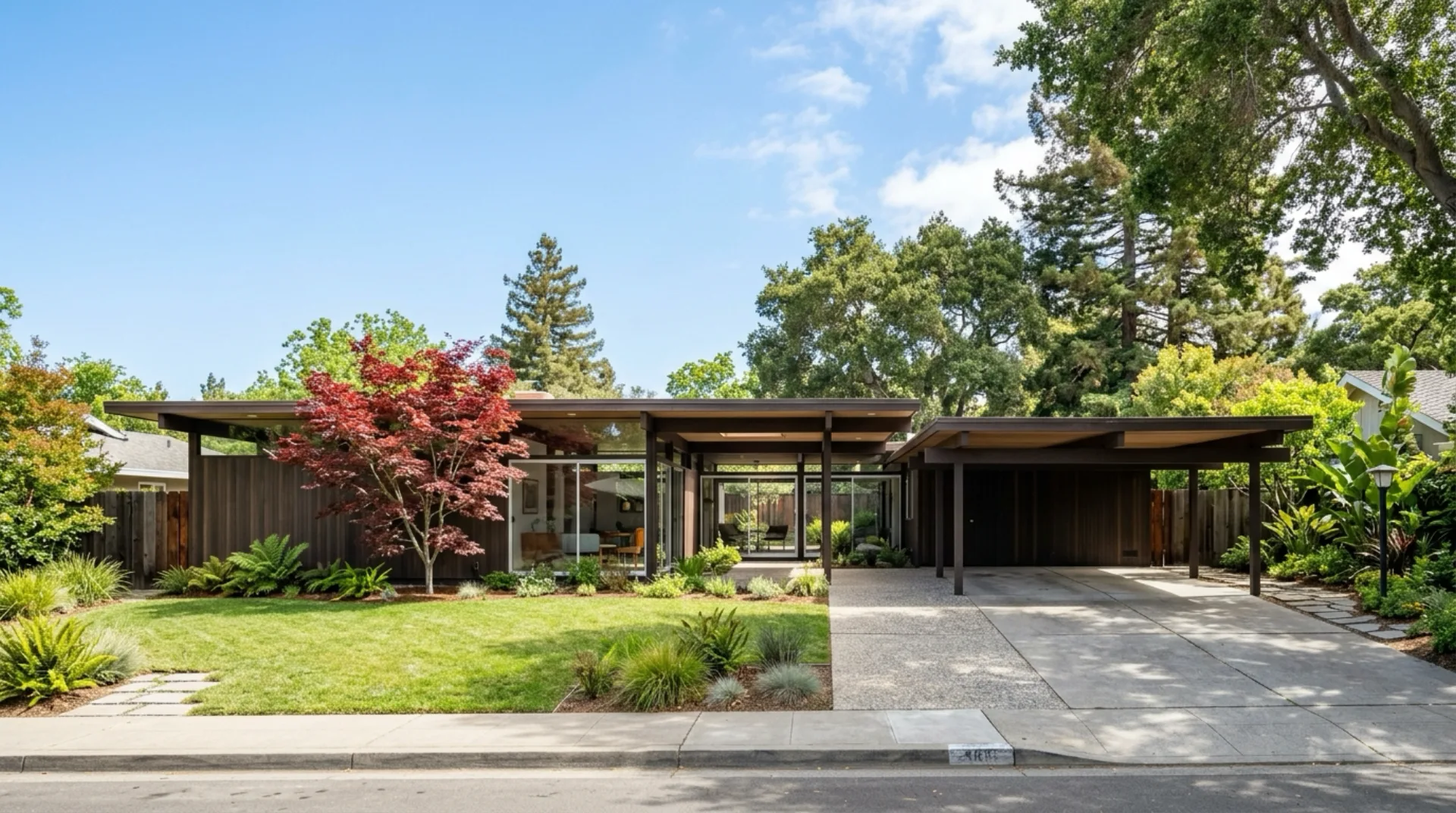
A mid-century modern Eichler-style home in a Silicon Valley neighborhood — San Jose, California service area

The Best Pest & Termite Control in San Jose

101 Exterminators provides pest control in San Jose for houses, apartment buildings and businesses: termite inspections and treatment, rodent exclusion, and ant, cockroach and bed bug work. San Jose’s median home dates from 1976 and more than 92,000 homes sit in buildings with five or more units, so the right plan depends on the building as much as the pest. We are licensed by the California Structural Pest Control Board (SPCB Lic. #9119), based in Salinas, and serve San Jose by appointment.

(831) 500-161310% off your first service with a recurring plan

Schedule Service

What are the most dangerous pests in San Jose?

Rats and German cockroaches cause the most health trouble in San Jose, termites the most structural damage, and yellowjackets the most painful surprises. Each card explains why the pest does well here, what you would notice first and what to do before anyone treats. Start rodent problems on our San Jose rodent control page and wood damage on termite control.

  1. 01

    Roof rats

    Roof rats favor mature landscaping and riverbank vegetation (UC IPM), and San Jose has both along the Guadalupe River, Coyote Creek and the old street trees of Willow Glen and Naglee Park. The county lists roof rats among common household pests, and the Vector Control District reports rat mites as very common because rats are so abundant. Rat mites bite people once the rats that carried them die or leave, so removing a nest is half the job.

    Source: Santa Clara County Vector Control District, engineer’s report FY 2025–26

    Warning signs

    • Scratching in the attic or ceiling after dark
    • Half-eaten citrus or stone fruit still hanging on a backyard tree
    • Droppings about half an inch long along attic insulation or a garage shelf

    What to do

    • Pick ripe and fallen fruit and trim branches 4 feet back from the roof
    • Ask the Vector Control District for an exterior rodent inspection if you want the yard checked

    What not to do

    • Pull out a nest without gloves; rat mites can move to people
    • Close the last opening while rats are still inside

  2. 02

    Norway rats

    Norway rats burrow along foundations and stay low (UC IPM). In San Jose that puts them along creek banks, storm drains, freeway edges and restaurant alleys. In 2020 a county vector officer called a downtown infestation near Highway 280, Almaden Boulevard and Vine Street “a large infestation.” Rats contaminate food and spread disease, so burrows beside a house or a trash enclosure call for prompt work on the openings.

    Source: CBS San Francisco, San Jose rat infestation (August 28, 2020)

    Warning signs

    • Burrow holes about 3 inches across along a foundation, fence line or slab edge
    • Gnawed holes in trash bins or bagged pet food in the garage
    • Greasy rub marks along the base of a wall

    What to do

    • Keep garbage in bins with tight lids and empty pet bowls at night
    • Fill gaps under garage doors and around pipes with metal-backed material

    What not to do

    • Scatter poison bait in the open where pets, children or wildlife can reach it
    • Stack firewood or lumber against the house
  3. 03

    German cockroaches

    German cockroaches live indoors and concentrate in multi-unit housing. A UC IPM study of Santa Clara County apartment buildings found them in more than 20% of inspected units before treatment began. San Jose has more than 92,000 homes in buildings of five or more units, and their kitchens share walls and plumbing. Cockroach droppings and shed skins carry allergens linked to asthma, so a heavy infestation affects health as well as comfort.

    Source: UC ANR, proactive IPM in multi-unit housing (Santa Clara County study)

    Warning signs

    • Small tan roaches with two dark stripes behind the head, seen at night
    • Pepper-like droppings in cabinet hinges, drawer corners and behind the stove
    • Egg cases or a musty smell under the sink

    What to do

    • Report cockroaches to your manager in writing and ask which units share your kitchen wall
    • Fix leaks under sinks and wipe grease off the stove and floor nightly

    What not to do

    • Use a bug bomb, which scatters cockroaches into neighboring units
    • Spray cleaners or insecticide on bait a technician has placed
  4. 04

    Drywood termites

    Drywood termites live inside dry wood and swarm in daylight in summer and fall (UC IPM), and San Jose’s long, warm, rainless months suit them. About 18,500 San Jose homes predate 1940, many with original trim and porches in Hensley, Hanchett Park and Naglee Park, and the 1960s ranch tracts are now past 55 years old. A colony can work for years inside a rafter tail before anyone sees a pellet.

    Source: UC IPM, Drywood termites

    Warning signs

    • Small piles of six-sided pellets under eaves, window frames or attic rafters
    • Wings on a windowsill after a warm fall afternoon
    • Pinhole openings in painted trim

    What to do

    • Sweep up pellets and check the spot a week later for fresh ones
    • Get a written termite inspection before you list the house for sale

    What not to do

    • Fill kick-out holes before an inspector sees them
    • Assume the build year tells you whether termites are present
  5. 05

    Western subterranean termites

    Subterranean termites swarm on clear afternoons in spring or fall after a soaking rain (UC IPM), and in San Jose the soaking rains arrive from November through March. Irrigated lawns and planter beds keep soil moist against slabs and stem walls all summer. Eichler slabs with radiant heat, raised-floor Victorians and 1960s tract homes each give termites a different route in, so the inspection changes with the house.

    Source: UC IPM, Termites (Pest Notes 7415)

    Warning signs

    • Mud tubes on a foundation, garage wall or slab edge
    • Winged swarmers indoors on a sunny day after rain
    • Baseboards or door trim that sound hollow

    What to do

    • Keep sprinklers from soaking the foundation and siding
    • Leave a gap between soil or mulch and any wood siding

    What not to do

    • Store firewood or cardboard against the house
    • Knock down mud tubes before someone inspects them
  6. 06

    Bed bugs

    Bed bugs travel in luggage and furniture and move between units through shared walls. San Jose’s large apartment stock and its hotels near the airport and downtown give them that path. The county’s vector district offers bed bug consultations to residents, and the city’s Multiple Housing Program takes infestation complaints in rentals of three or more units. Bites rarely carry disease; the harm is lost sleep, skin reactions and the cost of a building-wide problem.

    Source: Santa Clara County Vector Control District, monthly report (December 2021)

    Warning signs

    • Itchy bites in lines or clusters after sleeping
    • Rust-colored spots on mattress seams
    • Live bugs or shed skins in bed frame joints

    What to do

    • Check used furniture seams before it comes inside
    • Wash and dry bedding on high heat before the visit

    What not to do

    • Move to the couch or another room, which spreads the bugs
    • Throw out a mattress before treatment without bagging it
  7. 07

    Western yellowjackets

    Yellowjackets nest in the ground and in wall voids, and UC IPM notes their colonies grow largest in late summer, after San Jose has gone months without rain. They sting repeatedly and defend the nest, a real danger for anyone allergic. The county’s vector district logs yellowjacket service requests every season. Stucco tract houses and tile roofs give them gaps to build in behind the wall.

    Source: Santa Clara County Vector Control District, monthly report (December 2021)

    Warning signs

    • A steady stream of wasps flying in and out of one hole in the lawn or wall
    • Wasps crowding a trash can or outdoor meal in August and September
    • Chewing or rustling inside a wall

    What to do

    • Mark the nest entrance from a distance and keep children and pets away
    • Cover trash and pet food outdoors in late summer

    What not to do

    • Plug the entrance of a wall nest, which can drive wasps indoors
    • Pour gasoline or set fire to a ground nest
  8. 08

    Mosquitoes (West Nile virus)

    Mosquitoes are outside our service list; the Santa Clara County Vector Control District handles them. We list them because West Nile virus is the most serious vector-borne risk in San Jose: in August 2026 the district treated ZIP codes 95117, 95126 and 95128 after West Nile-positive mosquitoes turned up. Standing water in yards, flood channels and the Alviso marsh edge supports them through the warm months.

    Source: City of Santa Clara, West Nile virus fogging notice (July 31, 2026)

    Warning signs

    • Bites at dusk and dawn near standing water
    • Wigglers (larvae) in buckets, birdbaths or plant saucers
    • Dead birds, which you can report to the state West Nile hotline

    What to do

    • Empty standing water around the yard every week
    • Report a neglected pool or mosquito problem to the county vector district

    What not to do

    • Leave tires, buckets or tarps collecting rain
    • Ignore a green pool next door; the district can inspect it

Why do San Jose homes get so many pests?

San Jose pairs a long dry season and two creek corridors with housing that runs from 1880s cottages to 1970s apartment complexes. Next door in Santa Clara and Milpitas you find parts of that mix; San Jose has all of it, so home pest control here starts with the building type.

Paved creek trail under sycamores beside a shallow, rocky creek, with backyard fences along the far bank

Climate & Weather

San Jose sits in a rain shadow. The airport station averages 13.48 inches of rain a year, almost all of it from November to April, and July, August and September each average highs near 81°F with almost no rain (NOAA 1991–2020 normals). January lows average about 42°F. That dry half-year pushes ants and rodents toward irrigated yards and indoor water.

Housing Stock

The median San Jose home dates from 1976 (ACS 2024). Builders added about 60,000 homes in the 1960s and 79,000 in the 1970s, while about 18,500 predate 1940, most in central districts such as Hensley, Naglee Park and Hanchett Park. The city also counts about 11,700 mobile homes and more than 92,000 units in buildings of five or more.

Geography & Landscape

The Guadalupe River and Coyote Creek cross the city from the south and meet the Bay at Alviso, where levees and tidal marsh protect north San Jose. Creekside trees and mature street plantings give roof rats cover, and the low bayfront around Alviso has flooded repeatedly, most badly in 1982 and 1983.

Pest Pressure

The Santa Clara County Vector Control District’s own reports describe rat mites as very common because commensal rats are abundant, and the county lists roof rats among common household pests. A UC IPM study of Santa Clara County apartments found German cockroaches in more than 20% of inspected units at the start. In August 2026 the district treated several San Jose ZIP codes for West Nile virus mosquitoes.

Which San Jose neighborhoods have which pest problems?

San Jose’s pests follow its building eras and its water. These six areas show the range; north across the line, Sunnyvale has a similar Eichler and tract mix, and the San Jose termite control page covers what each era means for wood damage.

Craftsman bungalows with stone porch piers on a street lined with tall sycamores
Hensley Historic District
A National Register district with the largest concentration of Victorian-era homes in central San Jose: Italianate, Stick-Eastlake and Queen Anne. Original trim and porches deserve a close drywood termite check, and old street trees bring roof rats to rooflines.
Naglee Park
Subdivided from the Naglee estate in 1902, with many early-1900s homes and Coyote Creek along its eastern edge. Creekside trees and mature yards suit roof rats, which rodent control here addresses at the roofline.
Hanchett and Hester Parks
A city Conservation Area of homes built about 1906 to 1935: Craftsman bungalows, Queen Anne, Spanish Mission Revival and Prairie styles. Wood porches and raised floors mean underfloor framing and trim both need inspecting.
Willow Glen
Incorporated in 1927 and annexed to San Jose in 1936, with older homes along the Guadalupe River and Los Gatos Creek. Mature landscaping near the water matches what UC IPM describes as prime roof rat habitat.
Fairglen Additions
218 Eichler homes built from 1959 to 1961 southwest of Willow Glen, one of five San Jose Eichler neighborhoods. Slab floors with radiant heat and exposed beams move termite and rodent checks to the roof edge, beam ends and garage.
Alviso
The bayfront community at the mouth of the Guadalupe River and Coyote Creek, annexed in 1968 and flooded badly in 1982 and 1983. Marsh edges and flood channels hold standing water, which the county vector district watches for mosquitoes.

When are pests worst in San Jose?

San Jose has two seasons that matter for pests: a short wet season from November to April and a long dry one with highs near 81°F from July to September (NOAA 1991–2020 normals). Indoor pests keep going all year.

When are pests worst in San Jose?
WhenPestWhat you may notice
January to FebruaryRoof and Norway ratsNoise in attics and garages during the wettest months (January averages 2.8 inches of rain).
February to AprilWestern subterranean termitesSwarmers on clear afternoons after a soaking rain; mud tubes on slabs and stem walls.
February to AprilArgentine antsTrails indoors after storms flood shallow nests; UC IPM recommends baiting in late winter and early spring.
May to JuneYellowjacketsQueens start new nests in the ground, in wall gaps and under tile edges.
July to SeptemberArgentine antsTrails to kitchens and bathrooms for water; July averages no measurable rain.
July to SeptemberMosquitoesWest Nile virus season; the county vector district treated three San Jose ZIP codes in August 2026.
August to OctoberYellowjacketsLarge colonies and wasps at trash cans and outdoor meals.
August to OctoberDrywood termitesDaytime swarms and wings on windowsills after warm afternoons.
All yearGerman cockroaches and bed bugsSteady activity in apartments and kitchens regardless of season.

Which pest control services can you book in San Jose?

You can book home and commercial pest control, termite reports and treatment, and rodent, ant, cockroach and bed bug work. Restaurants and markets start with commercial pest control in San Jose. Homes near the city line can compare our Campbell and Cupertino pages.

View all services

Why Local Expertise Matters

San Jose has nearly every kind of home a pest program has to handle: Victorian cottages on raised floors, Eichlers on slabs, 1960s ranch tracts and large garden-apartment complexes. About 44.5% of households rent (ACS 2024), and the city’s Multiple Housing Program inspects rentals with three or more units, so owners and managers often need written records as much as a treatment.

Part of Santa Clara County

San Jose is part of our Santa Clara County service area. We serve all surrounding communities in the county.

Santa Clara County service area

How do you book pest control in San Jose?

We are based in Salinas and serve San Jose by appointment. Our office staff and technicians work in English and Spanish. When you call, tell us the address, whether the home is a house, a townhome or an apartment, and what you found, where and when. Photos help. For a sale or refinance, ask for a written WDO inspection, which is separate from pest service.

If you rent, tell your owner or manager in writing first; in buildings with three or more units, they arrange access to neighboring units. If you own an Eichler, mention it, because slab construction changes the inspection.

Tell us about children, pets, anyone with a health condition, and any products already used. Homes north of the city can compare our Sunnyvale and Santa Clara pages.

  • San Jose inspects multi-unit rentals

    The city’s Multiple Housing Program (Municipal Code chapter 17.20) inspects rental buildings with three or more units on a cycle set by risk, and tenants can file complaints, including infestations.

    City of San Jose, Multiple Housing Program tenant resources
  • The county vector district inspects yards for rodents

    The Santa Clara County Vector Control District inspects exteriors for rodent problems and gives advice; it does not trap, clean up, enter attics or crawlspaces, or make repairs. It also handles mosquito complaints.

    Santa Clara County Vector Control District, rodents
  • Termite reports follow state law

    A wood-destroying pest report must come from a licensed inspector on the state form, and a copy goes to the person who requested it and to the owner.

    Business and Professions Code § 8516
  • Rodents and habitability

    California Civil Code § 1941.1 lists premises free of rodents and vermin among the conditions of a habitable rental.

    Civil Code § 1941.1

CA

Licensed Structural Pest Control

A+

BBB Rating

7

Counties Covered

482

Google Reviews

A Perfect 5.0 on Google. Serving San Jose.

101 Exterminators holds a perfect 5.0 rating across 482 Google reviews and an A+ rating with the BBB. Customers name their technicians and keep calling them the best they’ve hired. A few, in their own words:

“Jimmy Woody is the best. Switched to 101 exterminators because of him. He's really easy to do business with, knowledgeable and just does a great job. Great service, highly recommend!”
A

Ashley N.

March 2025 · Yelp review · San Jose

“Jimmy has been servicing our home for a long time now and we're really happy with it. Whenever we have any questions or issues come up, he takes care of it.”
M

Marian N.

November 2024 · Yelp review · San Jose

“Just signed up with 101 when they hired Jimmy. He is top notch is the best bug tech we've had, polite punctual follows through on whats he says and get the bugs dead.”
B

Bill A.

March 2024 · Yelp review · San Jose

Read customer reviews

San Jose pest control questions, answered

Five questions San Jose residents ask before they book. County-wide details are on the Santa Clara County page.

What pests are most common in San Jose homes?

Argentine ants, roof rats and German cockroaches top the list, followed by termites and bed bugs. Ants move indoors after the first winter storms and again in the rainless months. Roof rats follow creek and street trees to rooflines, and German cockroaches concentrate in apartment kitchens; a UC IPM study found them in more than 20% of inspected Santa Clara County apartments.

How often should a San Jose home get pest control service?

Most San Jose homes do well with a scheduled visit every two or three months, timed around the rains and the dry summer. A home near Coyote Creek or the Guadalupe River with roof rat history, or an apartment kitchen with cockroaches, may need closer follow-up until activity stops. A first inspection sets the interval.

Do San Jose Eichlers need a different termite inspection?

Usually. Eichlers are post-and-beam homes with structural wood exposed at the eaves and beam ends, and many have no crawlspace, so an inspector spends more time on beam ends, the roof edge, the garage and wood near soil. San Jose has five Eichler neighborhoods, including Fairglen and Fairglen Additions, built in the late 1950s and early 1960s.

Will the county remove rats from my San Jose house?

No. The Santa Clara County Vector Control District inspects yards and exteriors for rodent problems and gives advice, but it does not trap, clean up, enter attics or crawlspaces, or make repairs. Trapping inside the house, sealing entry points and cleanup are work for the owner or a licensed pest company.

Can San Jose tenants get an inspection for cockroaches or rats?

Tenants in buildings with three or more units can file a complaint with the city’s Multiple Housing Program, which lists infestations among the conditions it handles. Report the problem to your owner or manager in writing first and keep dated photos. State law also lists rodent- and vermin-free premises as part of a habitable rental.

Schedule Service in San Jose

If you're new to us, start a recurring plan and we'll take 10% off your first service. For a sale or refinance, request a separate paid WDO inspection.

Trusted by San Jose families