
Pest Control — Campbell, CA
Campbell Pest Control — Creek Corridor and Victorian Downtown
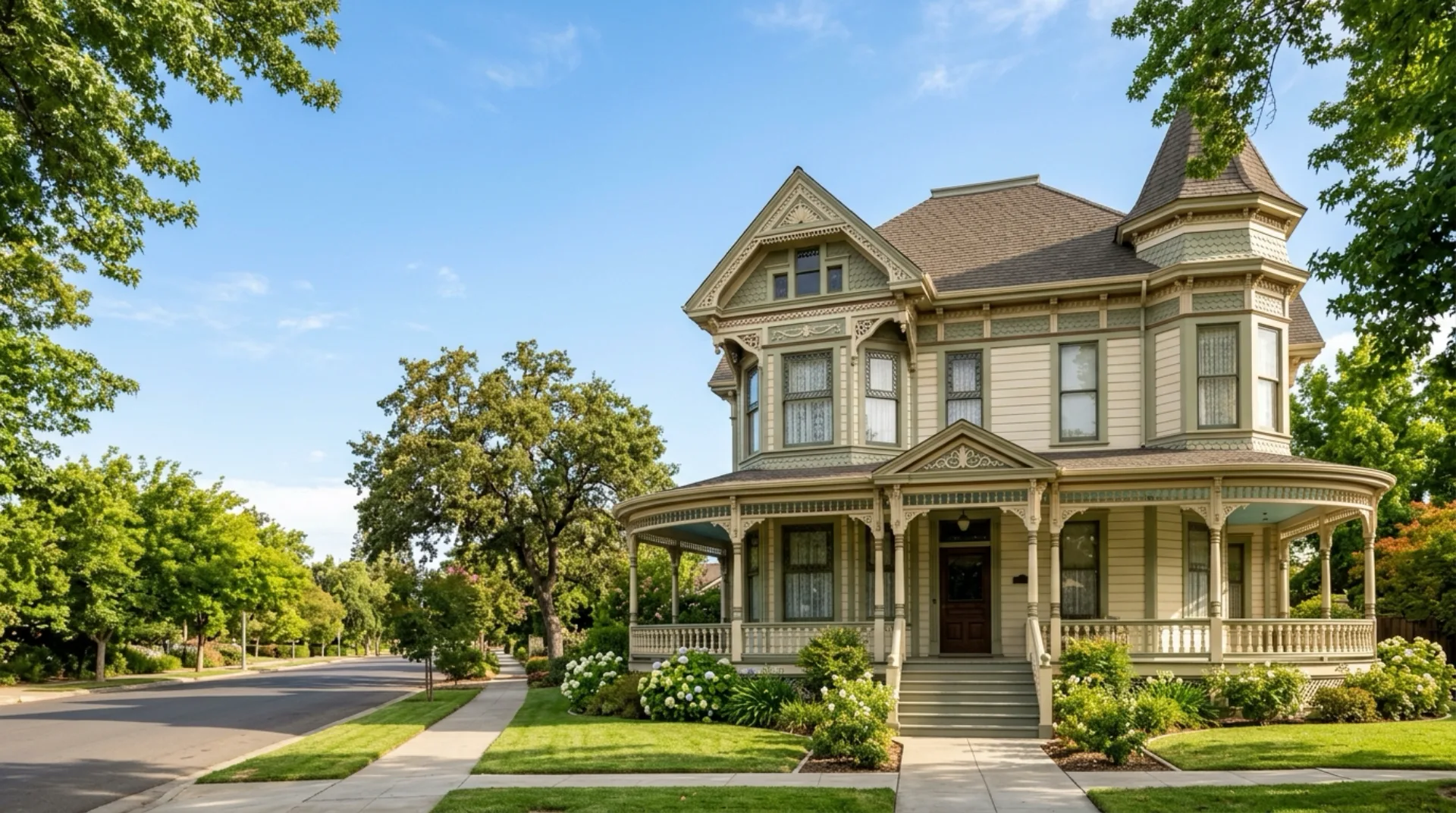
Campbell still calls itself the Orchard City, and on a pest call the name is not decoration. The tract streets that fill most of the map were laid out over prune and apricot orchards in the years after the city incorporated in 1952, and a great many of those trees were left standing in the back yards that were drawn around them. A sixty-year-old fruit tree with its canopy resting on the eave is the most reliable way there is to put roof rats in a Campbell attic, and the older the block, the more of them there are. Nearer Campbell Avenue, the Victorian and Craftsman stock around the downtown historic district and the 1920s Tudor Revival era that the Ainsley House marks carry the drywood termite history you would expect from framing that went up while the orchards were still working.
Local Intelligence
Understanding Campbell
Effective pest control begins with understanding the specific conditions that drive pest activity in your area. Here is what shapes the pest landscape in Campbell.
Climate & Weather
Campbell has a sheltered Santa Clara Valley climate with warm, dry summers (86–94°F) and mild winters averaging 15–17 inches of rainfall. Its position adjacent to the Santa Cruz Mountains foothills gives it slightly more rainfall than central San Jose. Los Gatos Creek maintains riparian moisture through the city year-round, creating a persistent moisture corridor for creek-adjacent properties.
Housing Stock
Campbell's housing stock spans a wide range: Victorian-era commercial and early residential buildings in the downtown core (1890s–1910s), craftsman bungalows near the Orchard City Drive corridor (1920s–1940s), and suburban tract homes throughout the broader city (1950s–1980s). Older downtown-adjacent homes have the drywood termite vulnerabilities of early 20th century construction; the broader suburban stock has the aging foundation and crawl space issues typical of 1960s–1980s South Bay homes.
Geography & Landscape
Los Gatos Creek runs Campbell's western edge, and in this stretch it does not run alone. Valley Water's percolation ponds sit beside it at Los Gatos Creek County Park, holding open water and reed cover through the dry months when creek channels further down the valley are running thin. That is the difference between a seasonal rodent corridor and a permanent one, and it is why Norway rat pressure in Campbell is better measured in blocks from the creek than by neighborhood name. The creek trail carries the same habitat north into West San Jose toward the Guadalupe River and south toward Vasona. Away from the water, the orchard remnants do the work: mature fruit and walnut trees standing in back yards from Hamilton down to Hacienda, plus the older canopy at Campbell Park and around the Pruneyard, give roof rats an arboreal route straight through the middle of a city that is otherwise flat and open.
Pest Pressure
Campbell runs two separate rodent problems at once, which is unusual for a city this size. Norway rats work outward from the Los Gatos Creek corridor and the percolation ponds along it, hitting properties within a few blocks hardest and coming in low, through vents, utility penetrations, and crawl space gaps. Roof rats come from the surviving orchard trees and mature ornamentals and come in high, through rooflines, eave gaps, and attic vents. The two need different treatment, and a property with fruit trees three blocks from the creek can have both. Drywood termites are active in the pre-war stock around downtown and increasingly in the 1950s and 1960s tract housing, which is now old enough to have accumulated real colony history. Argentine ants are everywhere, with the usual spring and fall pushes indoors. German cockroaches concentrate in the restaurant density along Campbell Avenue and in the older apartment and condo stock strung along Winchester and Hamilton, where unit-to-unit movement makes single-unit treatment a short-lived fix.
Most Active Species
Priority Pests in Campbell
These are the pests we see most frequently — and treat most effectively — in Campbell. Each one reflects the specific environmental conditions of this area.
CA
Licensed Structural Pest Control
A+
BBB Rating
7
Counties Covered
451
Google Reviews
Local Questions
Campbell Pest Control FAQs
My Campbell home is two blocks from Los Gatos Creek. Is that why I keep having rat problems?
Probably, though it is worth confirming which rat you have before assuming it. Norway rats live in the Los Gatos Creek riparian strip year-round, and the percolation ponds along the creek in Campbell keep that habitat wet and sheltered through the dry season, so the source population does not thin out the way it does along creeks that run low in summer. Properties within two or three blocks see the pressure most. Norway rats travel at ground level, so the signs are droppings along the foundation, burrows near the fence line, and entry at vents, hose bibs, and crawl space gaps. If instead you are hearing running overhead at dusk and finding droppings in the attic, that is roof rats coming from a tree, and creek distance has nothing to do with it. Either way the work is exclusion of the structure first, then perimeter management. The creek population is not going anywhere. Your house is what we can close.
There is an old apricot tree in my Campbell back yard. Do I have to take it out to stop roof rats?
No. The tree is not the problem, the bridge is. Campbell's tract neighborhoods were built over orchards and a lot of those trees stayed, which is why roof rats have an easier time here than in newer South Bay subdivisions with young landscaping. What lets them in is a branch reaching the roof or the eave and an opening once they arrive. Pull the canopy back so nothing comes within about three feet of the roofline, clear fallen and mummified fruit rather than letting it sit under the tree through winter, and then seal the structure itself: attic and gable vents, the gaps where the roof planes meet, utility penetrations, and any spot where a rat can get its head through. Rats will keep living in the tree. They just stop having a way indoors.
My Campbell house was built in the 1960s. Is it too new to have termites?
No, and that assumption is why a lot of Campbell tract homes go decades without an inspection. A house built in the orchard build-out of the late 1950s and 1960s has now had sixty-odd years for western drywood termites, Incisitermes minor, to find it, and in that era the vulnerable details are consistent: crawl space framing, sill plates where they meet the foundation, attached patio covers and carports, and fascia boards behind the gutter line. The usual first sign is frass, small hard pellets the color of the wood, collecting on a windowsill or the garage floor below a hidden kick-out hole. Age of construction shifts what we expect to find and where we look for it. It does not tell you the house is clear.
Nearby Service Areas
Areas We Serve Near Here
Serving Campbell
Schedule Service in Campbell
New customers get 10% off their first service. For a sale or refinance, request a separate paid WDO inspection.