101 Exterminators
Service Areas
Reviews
Pests
Articles
Guides
Resources
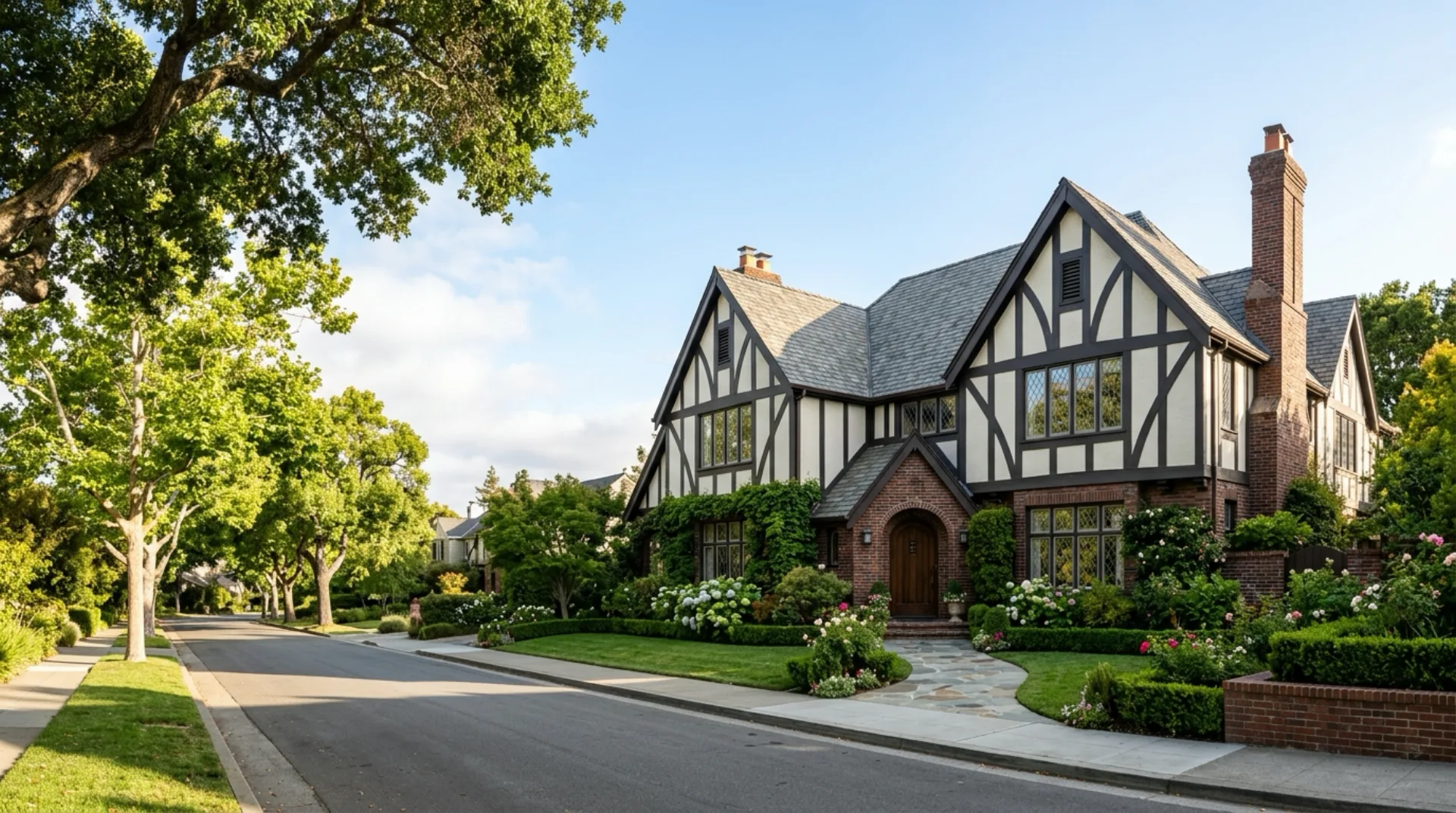
A Tudor-style home on a San Francisco Peninsula street — Sunnyvale, California service area

Sunnyvale, CA Pest Control & Exterminator Services

The Best Pest & Termite Control in Sunnyvale

101 Exterminators handles pest control and termite work in Sunnyvale: written termite inspections, termite treatment, rodent exclusion, and cockroach, bed bug and ant work for houses, apartments, mobile homes and businesses. Sunnyvale grew from about 9,800 people in 1950 to about 60,000 in 1960 as orchards gave way to housing tracts, and today most households rent. We hold California Structural Pest Control Board license SPCB Lic. #9119, have offices in Salinas and Santa Clara, and serve Sunnyvale from our Santa Clara office by appointment.

(831) 500-161310% off your first service with a recurring plan

Schedule Service

What are the most dangerous pests in Sunnyvale?

Mosquitoes carrying West Nile virus pose the most serious health risk in Sunnyvale, and termites do the most damage to its postwar houses. Rodents and apartment pests follow, each tied to how the city was built. Mosquito work starts with mosquito control, rodent work with Sunnyvale rodent control, and apartments with bed bug treatment or cockroach control.

  1. West Nile mosquitoes

    Santa Clara County recorded 301 West Nile-positive dead birds, 34 positive mosquito samples and six human infections in 2024 (CDPH), and four of the positive birds came from Sunnyvale by mid-August that year. In July 2026 the county announced its first two human cases of the season. Sunnyvale’s northern edge meets the bay at the Baylands and Guadalupe Slough. We treat standing water and shaded resting spots on your property, and the Santa Clara County Vector Control District handles public sources.

    Source: Mountain View Voice, Santa Clara County’s first West Nile virus death of 2024 (August 16, 2024)

    Warning signs

    • Mosquitoes biting at dusk on summer evenings
    • A dead crow, jay or other bird in a yard or a park

    What to do

    • Repair window and door screens before July
    • Report dead birds and standing water to the county district

    What not to do

    • Leave a pool, fountain or rain barrel to stand and turn green
    • Sit outside at dusk in summer without repellent
  2. Western subterranean termites

    Subterranean termites need damp soil connected to wood. About 13.5 inches of rain fall at Moffett Federal Airfield in a typical year, so Sunnyvale colonies depend on the water people add: sprinklers, lawns and leaks next to the house. A third of the city’s homes date from the 1950s and 1960s (ACS 2024), and after sixty years many have planting beds built up against the siding. UC IPM notes swarms on clear afternoons after a soaking rain.

    Source: UC IPM, Subterranean and other termites

    Warning signs

    • Mud tubes on a foundation, a garage wall or a fence post
    • Winged insects indoors on a sunny afternoon after rain
    • Soft or blistered wood at the bottom of a door frame or baseboard

    What to do

    • Adjust sprinklers so they do not wet the siding or the foundation
    • Keep mulch and soil several inches below the siding

    What not to do

    • Break off mud tubes before an inspection
    • Stack firewood against the house or the garage
  3. Drywood termites

    Drywood termites live inside dry wood and swarm in daylight in summer and fall. Moffett Federal Airfield averages 9.2 days a year at 90°F or above and a September high of 77.7°F (NOAA), and those warm afternoons are when you see wings. Bungalows from the 1930s and 1940s in the Heritage District and the exposed wood of mid-century houses give a colony years of undisturbed wood before pellets show.

    Source: UC IPM, Drywood termites

    Warning signs

    • Small piles of six-sided pellets on a sill, a beam or the floor below trim
    • Shed wings on a windowsill in late summer or early fall
    • Kick-out holes under 2 millimeters in painted wood

    What to do

    • Photograph pellets where they fall, sweep up and check for new ones
    • Ask for a written report that lists the areas the inspector could not reach

    What not to do

    • Fill or paint over kick-out holes before an inspection
    • Pay for a spot treatment before the colony has been mapped
  4. Roof rats

    Santa Clara County singles out roof rats among the rodents that share homes with people, and they climb well enough to enter through a hole the size of a quarter. Sunnyvale’s tracts went up on orchard land, the city still keeps 10 acres of Blenheim apricots at Orchard Heritage Park, and backyard fruit trees feed roof rats through the summer. They nest in attics and gnaw wiring, which UC IPM links to sparks and fires.

    Source: UC IPM, Rats

    Warning signs

    • Scratching overhead after dark
    • Hollowed fruit hanging on the tree or rinds under it
    • Rats running along a fence top or a power line at dusk

    What to do

    • Pick fruit as it ripens and clear windfall the same day
    • Trim trees and vines back from the roofline

    What not to do

    • Leave pet food or birdseed out overnight
    • Seal attic openings while rats may still be inside
  5. House mice

    House mice carry salmonella and leptospirosis, and their urine holds an allergen linked to childhood asthma (UC IPM). Sunnyvale has 4,089 mobile homes and about 26,000 housing units in buildings with five or more units (ACS 2024), and mice move under mobile home skirting and through the shared walls of apartment buildings. A few mice in fall can be dozens by spring.

    Source: UC IPM, House mouse

    Warning signs

    • Rice-sized droppings in drawers, under the stove or along baseboards
    • Shredded paper or insulation in a cabinet corner
    • A musky smell behind the refrigerator or in a closet

    What to do

    • Keep dry food in glass or hard plastic containers
    • Check mobile home skirting for gaps and torn panels

    What not to do

    • Vacuum dry droppings, which puts particles in the air
    • Stuff holes with paper or foam that mice chew through
  6. German cockroaches

    A UC study of apartment buildings in Santa Clara County found German cockroaches in more than 20% of inspected units at the start, and UC IPM ties cockroach allergens to asthma, with the highest risk in multi-unit housing. About 56% of Sunnyvale households rent and about 40% of homes sit in buildings with five or more units (ACS 2024). Roaches move between units along plumbing, so one treated kitchen can be reinfested from next door.

    Source: UC ANR, IPM in multi-unit housing (Santa Clara County apartment study)

    Warning signs

    • Small tan roaches with two dark stripes behind the head
    • Pepper-like specks in cabinet hinges and behind the stove
    • Egg cases in drawer corners or under the sink

    What to do

    • Fix drips and keep the cabinet under the sink dry
    • Ask the manager to inspect the units that share walls and plumbing with yours

    What not to do

    • Spray over gel bait a technician has placed
    • Bring home used appliances or boxes without checking them
  7. Bed bugs

    Bed bugs spread no known disease, but bites and lost sleep add up, and they ride luggage and furniture between apartments. Sunnyvale’s renter share, about 56% (ACS 2024), and its many apartment buildings mean a case in one unit often calls for checking the units beside it and above it. California law counts vermin among the conditions that make a rental uninhabitable in the areas the landlord controls.

    Source: UC IPM, Bed bugs

    Warning signs

    • Itchy bites in a row on skin exposed during sleep
    • Dark spots and shed skins on mattress seams and the bed frame
    • A sweet, musty odor in a heavy infestation

    What to do

    • Tell the owner or manager in writing and keep a dated photo
    • Hot-dry bedding and clothes, then keep them bagged until the visit

    What not to do

    • Sleep in another room or unit, which spreads them
    • Use foggers, which push bed bugs into walls and outlets
  8. Yellowjackets

    Western yellowjackets defend their nests hard, turn aggressive in late summer, and can cause life-threatening allergic reactions (UC IPM). They often nest in old rodent burrows, which puts nests in Sunnyvale lawns and planting strips where children play and mowers run. The county district removes nests in public areas only, so a nest in your yard or wall falls to you.

    Source: UC IPM, Yellowjackets and other social wasps

    Warning signs

    • A steady stream of wasps in and out of one hole in the lawn
    • Wasps entering a gap in siding or under the eaves

    What to do

    • Mark the nest and keep children, pets and mowers away
    • Cover food and sweet drinks outdoors from July to September

    What not to do

    • Pour water or gasoline into a ground nest
    • Plug a wall entrance, which can drive the wasps indoors
  9. Western blacklegged ticks

    The county vector control district counts western blacklegged ticks among the county’s most common, living in oak woodland and carrying Lyme disease. In 2024 the district tested 1,080 adult ticks, found Lyme bacteria in three pools, and Santa Clara County confirmed seven Lyme cases that year (CDPH). Sunnyvale itself sits on flat valley land, so the risk travels home with hikers and dogs from the foothills.

    Source: California Department of Public Health, Vector-Borne Disease Section annual report 2024

    Warning signs

    • A small dark tick attached at the hairline, waist or behind a knee
    • Ticks on a dog’s ears or neck after a hike

    What to do

    • Check yourself, children and dogs after a hike in oak woodland
    • Pull an attached tick with fine tweezers close to the skin

    What not to do

    • Twist, burn or smother a tick with oil
    • Let a dog that has been hiking sleep on the bed before a tick check

How do Sunnyvale’s orchards, Eichlers and apartments change pest control?

Sunnyvale built most of its homes in two postwar decades on former orchard land, and most of its households now rent. That mix shapes the work: termite control and roof rats in the tracts, and cockroach control planned building by building in the apartments.

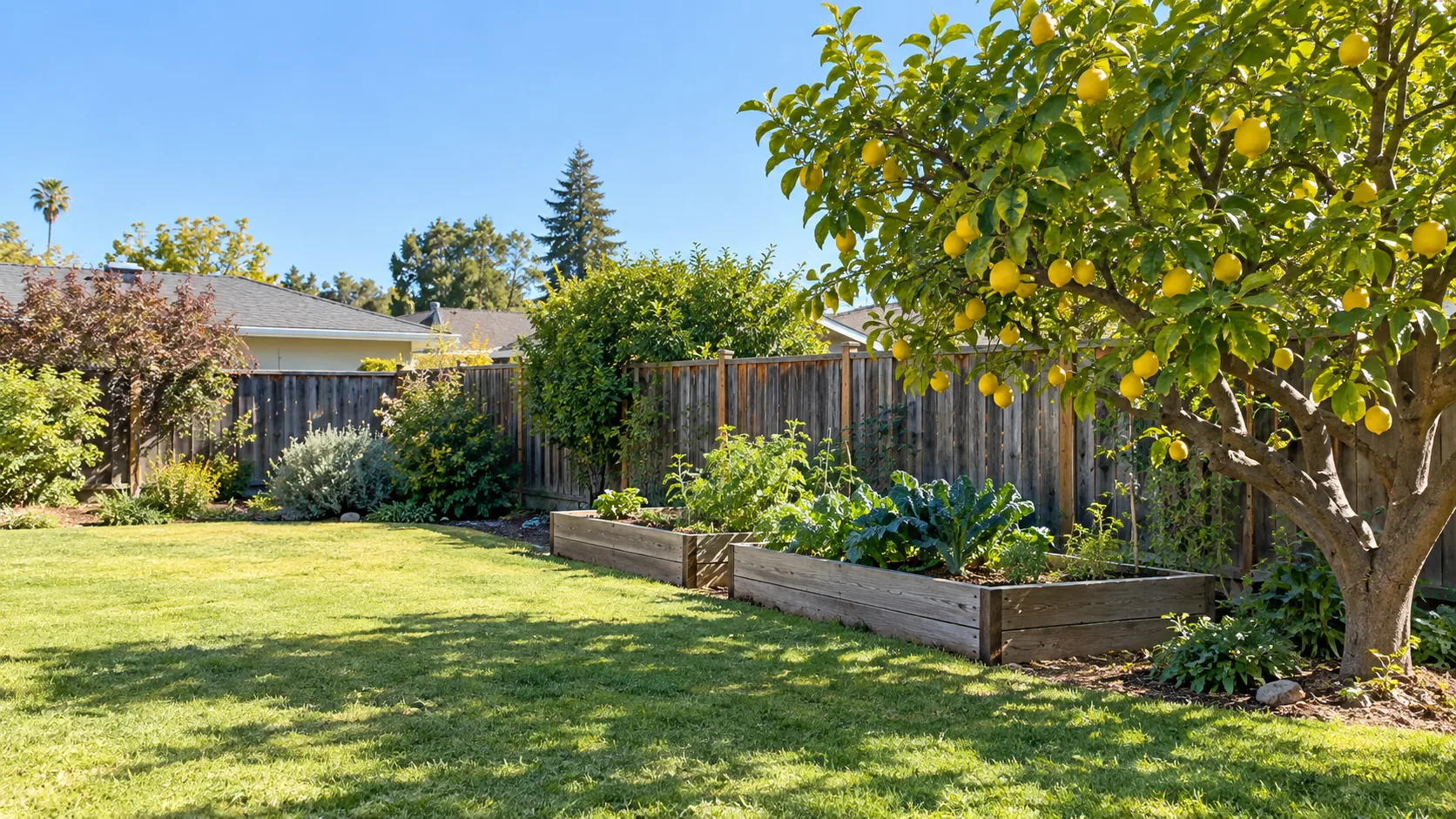
Backyard with a lemon tree, raised vegetable beds and a wood fence

Climate & Weather

Moffett Federal Airfield, on Sunnyvale’s western edge, averages a July high of 76.9°F, and September runs warmest at 77.7°F (NOAA 1991–2020 normals). The station logs about 9.2 days a year at 90°F or above and about 13.5 inches of rain, nearly all from November to April. Dry, warm late summers push Argentine ants indoors for water.

Housing Stock

Sunnyvale’s median home dates from 1977 (ACS 2024). A third of its 65,453 housing units went up in the 1950s and 1960s, when Lockheed’s arrival and the postwar boom turned orchards into tracts, and about 1,100 of those homes are Eichlers in sixteen tracts. About 56% of households rent, about 40% of units sit in buildings with five or more units, and the city counts 4,089 mobile homes.

Geography & Landscape

Sunnyvale sits on flat land along the south end of San Francisco Bay, which forms its northern border at the Baylands. Calabazas Creek runs north to Guadalupe Slough, and Valley Water built the East and West Sunnyvale Channels in the 1960s and 1970s after land subsidence from groundwater pumping caused ponding and flooding.

Pest Pressure

The Santa Clara County Vector Control District covers the whole county and handles mosquitoes, rats and other vectors. In 2024 the county recorded 301 West Nile-positive dead birds, four of them in Sunnyvale by mid-August. Santa Clara County singles out roof rats among the rodents that share homes with people, and a UC study of Santa Clara County apartments found German cockroaches in more than 20% of units at the start.

Which Sunnyvale neighborhoods face which pests?

Sunnyvale’s neighborhoods sort by building decade and by distance from the bay. These seven show the patterns we plan around. To the west, Mountain View shares the Moffett weather station, and to the east Santa Clara shares the county vector district and the same West Nile alerts.

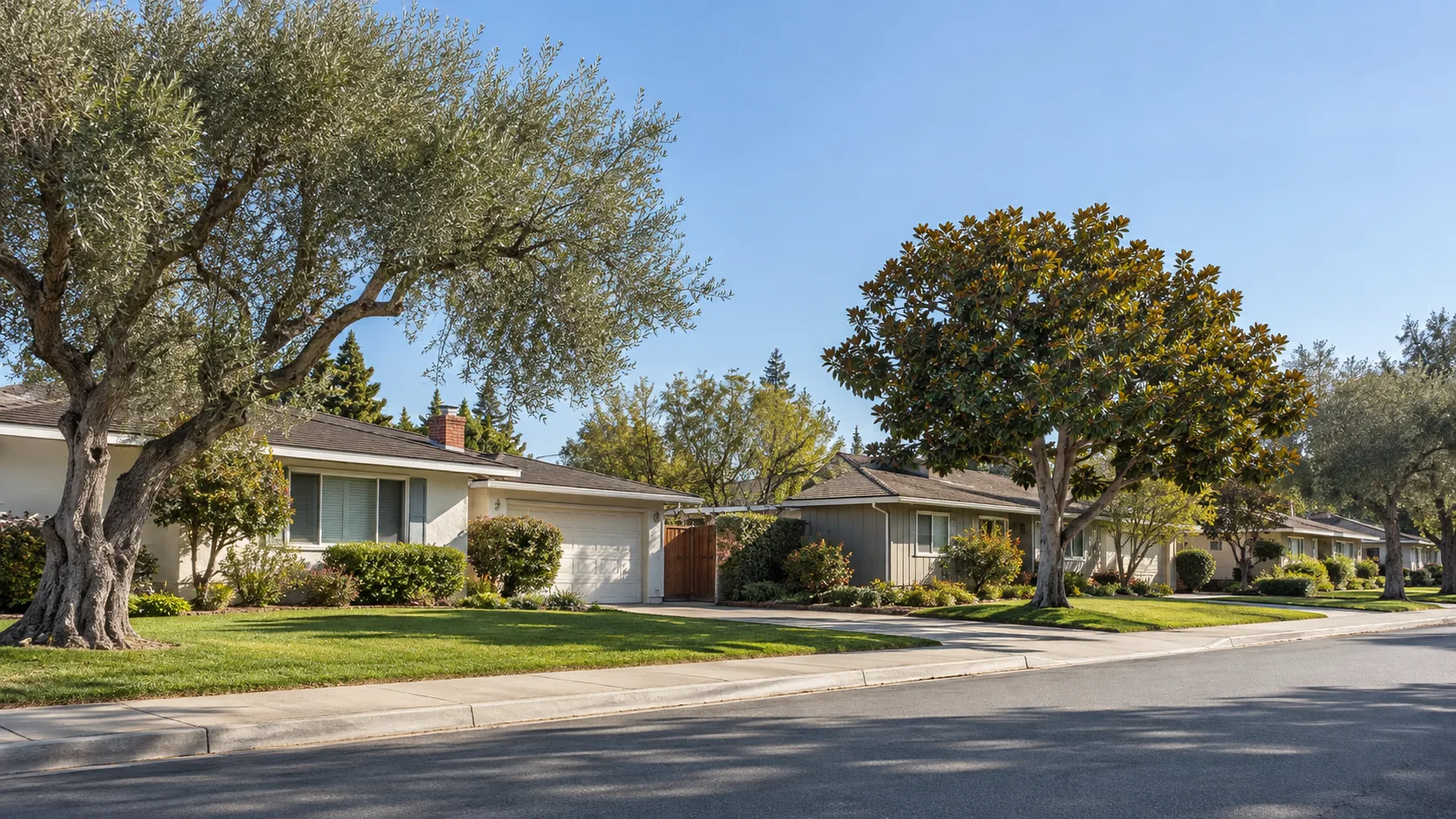
Ranch homes with lawns under an old olive tree and a magnolia
Heritage District and Murphy Avenue
Grew around Murphy’s Station, the 1860s railroad stop, with today’s Caltrain station in the same downtown district and single-story bungalows from the 1930s and 1940s nearby. The oldest wood in the city calls for a drywood termite inspection of trim and attics.
Sunnyvale Manor
The first Eichler tract, built in 1949 at East Maude Avenue and North Bayview Avenue. Mid-century post-and-beam houses differ from older bungalows, so ask which areas a termite report can reach before you book.
Cherry Chase
Homes from the 1950s and 1960s, including Eichler tracts, on former orchard land. Sixty years of tree growth and backyard fruit trees give roof rats food and a route to the roof.
Fairwood
An Eichler tract from the early 1960s with atrium and gallery plans. Atriums and open courtyards bring planting beds close to the walls, where subterranean termites and ants find moisture.
Lakewood
Single-story homes from the late 1950s in north Sunnyvale. Postwar wood and irrigated yards make the soil line the first place to check for subterranean termites.
Around Orchard Heritage Park
Ten acres of Blenheim apricot trees preserved in 1994 beside the Heritage Park Museum, a reminder of the orchards cleared for postwar housing. Ripening fruit draws roof rats to the trees and the homes nearby.
The Baylands
Sunnyvale’s northern edge at the bay, where Calabazas Creek meets Guadalupe Slough near Baylands Park and the city’s water pollution control ponds. Summer mosquitoes come from this side, which the county district watches.

When are pests worst in Sunnyvale?

Sunnyvale’s year runs dry and warm. About 13.5 inches of rain fall at Moffett Federal Airfield, nearly all from November to April, and September is the warmest month (NOAA 1991–2020 normals). Apartment pests such as German cockroaches keep their own schedule indoors.

When are pests worst in Sunnyvale?
WhenPestWhat you may notice
November to MarchWestern blacklegged ticks (adults)Adult ticks on hikers and dogs after trips to oak woodland, per the county vector district.
JanuaryRoof ratsScratching in attics and garages in a wet month (about 2.5 inches of rain).
February to AprilWestern subterranean termitesSwarmers indoors on a clear afternoon after a soaking rain; February is the wettest month (2.9 inches).
February to MarchArgentine antsTrails into kitchens after rain; UC IPM sets late winter to early spring as the time to bait.
March to MayWestern blacklegged ticks (nymphs)Nymphs, small and hard to spot, on people and dogs after hikes.
July to AugustWest Nile mosquitoesThe county announced its first two human cases of 2026 on July 30 and treated parts of neighboring Santa Clara on August 4.
July to SeptemberYellowjacketsColonies peak and turn aggressive around lawn nests and outdoor meals.
August to OctoberDrywood termitesDaytime swarms and wings on sills, with September the warmest month (77.7°F).
November to DecemberWestern subterranean termitesSwarms after the first storms; December brings about 2.5 inches.
All yearGerman cockroaches and bed bugsRoaches in apartment kitchens and bites or spotting on bedding.

Can you book pest or termite service in Sunnyvale?

Sunnyvale is served from our Santa Clara office at 2445 Augustine Dr, Suite 460. Our Bay Area technicians work from San Jose and the Peninsula to San Francisco, Oakland and Berkeley.

You can book termite reports, termite treatment and pest work for Sunnyvale houses, apartments and businesses. For a sale or refinance ask for a written termite inspection; for droppings, bites or insects, tell us what you found and where. Neighboring hubs: Mountain View, Santa Clara and Cupertino.

View all services

Why Local Expertise Matters

Most Sunnyvale households rent, and four in ten homes sit in buildings with five or more units, so cockroach and bed bug work here means planning around the units next door. Single-family Sunnyvale is a postwar landscape of Eichlers and ranch tracts on former orchard land, with fruit trees that roof rats still use. We schedule Sunnyvale work by appointment and plan each visit around the building and the yard.

Part of Santa Clara County

Sunnyvale is part of our Santa Clara County service area. We serve all surrounding communities in the county.

Santa Clara County service area

How do you book pest or termite service in Sunnyvale?

We serve Sunnyvale from our Santa Clara office at 2445 Augustine Dr, Suite 460, by appointment. Our office staff and technicians work in English and Spanish. When you call, tell us the address, the type of building and what you found, where and when. Photos help. A written termite inspection for a sale or refinance is separate from pest service, so say which one you need.

For an apartment, a condo or a mobile home, find out who controls the shared walls, the common areas and the skirting before the visit, and in a rental ask the owner or manager to arrange access to neighboring units. Offices, restaurants and shops can start with our commercial pest control page.

Tell us about children, pets and anyone with asthma, and list any product already used. Homes farther south can compare our San Jose page.

  • One vector district covers the whole county

    The Santa Clara County Vector Control District, formed in 1988, covers all 1,304 square miles of the county and handles mosquito, rat and other vector and wildlife control. Its rodent inspections cover the outside of the home; trapping, cleanup and attic work stay with the owner.

    Santa Clara LAFCO, vector control service review
  • Infestation makes a building substandard

    California Health and Safety Code § 17920.3 lists an infestation of insects, vermin or rodents, as a health or code officer determines it, among the conditions that make a building substandard.

    Health and Safety Code § 17920.3
  • Rodents and habitability

    California Civil Code § 1941.1 lists premises free of rodents and vermin among the conditions of a habitable rental, for the areas the landlord controls.

    Civil Code § 1941.1
  • Termite reports follow state law

    A licensed inspector prepares a wood-destroying pest report on the state form and delivers it to the person who ordered it and to the owner, within 10 business days of starting the inspection.

    Business and Professions Code § 8516

CA

Licensed Structural Pest Control

A+

BBB Rating

7

Counties Covered

482

Google Reviews

A Perfect 5.0 on Google. Serving Sunnyvale.

101 Exterminators holds a perfect 5.0 rating across 482 Google reviews and an A+ rating with the BBB. Customers name their technicians and keep calling them the best they’ve hired. A few, in their own words:

“If you’re having bug/spider/mice issues in or around your home, 101 Exterminators will take care of them. They are very reliable, responsible, communicative, and give a lot of advice. Thank you Juan for caring for our home.”
A

Albert Beeler

August 2026 · Google review

“Juan always provides great service with a smile. My ant problem has gone away. Very happy with the service would highly recommend.”
S

Susana Guijarro

July 2026 · Google review

“Jimmy is awesome. Was able to come by at a time that worked for us and got rid of ants for good! We now have him come by every couple months to prevent bugs at our house and I have not seen 1 ant. Jimmy is always super nice and we know we can count on him to get the job done right. Highly recommend and great job!”
E

E Green

May 2026 · Google review

Read customer reviews

Sunnyvale pest control and termite inspection questions

Six questions Sunnyvale residents ask before they book. For county-wide details see the Santa Clara County page.

How do I book a termite inspection service in Sunnyvale?

Call a company licensed by the California Structural Pest Control Board for wood-destroying pests, give the address and the reason, and ask for a written report. State law requires a licensed inspector and a written report on the state form, delivered to you and to the owner within 10 business days of the inspection’s start. Tell us if the report is for a sale or refinance, and we schedule the inspection by appointment.

Does Santa Clara County Vector Control help with rats in Sunnyvale?

Yes, the Santa Clara County Vector Control District covers Sunnyvale and inspects the outside of homes for rodents. The district does not trap, clean up or go into attics and crawl spaces. Trapping, sealing and cleanup inside the home are the owner’s work, and that is the work we do.

Has West Nile virus been found in Sunnyvale?

Yes. By mid-August 2024, four West Nile-positive dead birds had been found in Sunnyvale, and the county recorded 301 positive birds and six human infections that year. Report dead birds and standing water on public land to the Santa Clara County Vector Control District, and call us to treat breeding water and resting spots on your own property.

Are cockroaches common in Sunnyvale apartments?

German cockroaches turn up often in Santa Clara County apartments; a UC study of county apartment buildings found them in more than 20% of inspected units before treatment began. About 40% of Sunnyvale’s homes sit in buildings with five or more units, so ask your manager to include the units that share walls and plumbing with yours.

Are roof rats a problem in Sunnyvale?

Yes, Santa Clara County singles out roof rats among household rodents, and Sunnyvale’s former orchard land still holds backyard fruit trees. Roof rats climb, nest in attics and dense shrubs, and can squeeze through a gap about the size of a quarter. Trim branches away from the roof and pick fruit as it ripens.

When are ticks most active around Sunnyvale?

Adult western blacklegged ticks are most active from November to March, and nymphs from March to May, according to the county vector control district. Ticks live in oak woodland, so in Sunnyvale they arrive on people and dogs coming home from hikes in the foothills.

Schedule Service in Sunnyvale

If you're new to us, start a recurring plan and we'll take 10% off your first service. For a sale or refinance, request a separate paid WDO inspection.

Trusted by Sunnyvale families