
Cockroach Control
Cockroach Control in Sunnyvale, CA
101 Exterminators does cockroach control in Sunnyvale with gel bait, insect growth regulators and targeted void treatment — not surface sprays that scatter a population into fresh hiding places. California licensed, SPCB Lic. #9119. German cockroaches (Blattella germanica) move between units through the shared plumbing chases in Sunnyvale's apartment stock along Mathilda Avenue and El Camino Real, which is why single-unit treatment often does not hold.
Home maintenance
How do you keep German cockroaches out of a Sunnyvale apartment?
Take away water and hiding places and seal the routes between units. A UC study of Santa Clara County apartment buildings found German cockroaches in more than 20% of inspected units, and about 40% of Sunnyvale homes are in buildings of five or more units. Roaches move along the plumbing stack, so one tidy kitchen isn’t enough.
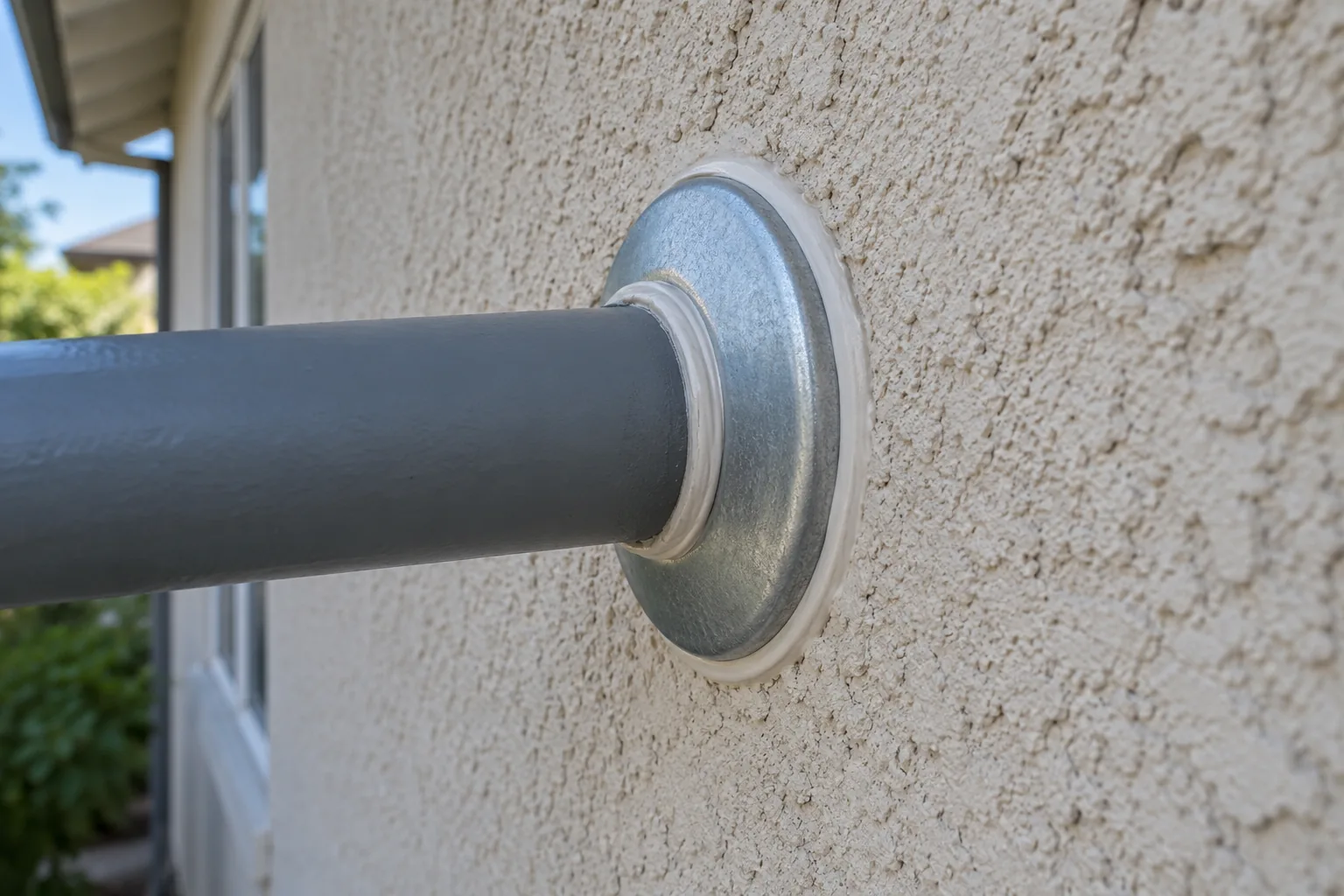
Seal gaps where pipes enter the wall
Close the openings around supply and drain lines under sinks and behind toilets with caulk or escutcheon plates. Those gaps connect units side to side and floor to floor.
Dry the kitchen every night
German cockroaches need water every day. Fix drips and wipe the sink, counters and dish rack dry before bed so nothing is left overnight.
Keep cardboard out of the unit
Delivery boxes pile up fast, and roaches hide and lay egg cases in corrugated cardboard. Break boxes down and take them out the day they arrive.
Clean behind the stove and fridge
Grease and crumbs collect behind appliances where nobody looks. Pull them out a few times a year and clean the floor and wall behind them.
Ask about the units above and below
When you report roaches in writing, ask the manager to check the units that share your plumbing stack, not just the ones beside you.
When to do it
Year-round; indoor cockroaches don’t follow Sunnyvale’s seasons.
Maintenance guidance: UC IPM, Cockroaches (Pest Notes 7467)
Warning Signs
When to Ask About Cockroach Control in Sunnyvale
An assessment can look at the reported area, nearby food and water sources, and possible hiding places. The proposed plan may include monitoring, sanitation and leak corrections, exclusion, and targeted bait or other treatment appropriate to the species and site. If your business needs service records, name the required format before work begins.
Cockroaches seen in a kitchen, bathroom, storage area, or near a drain
Cockroach droppings (small, dark, pepper-like pellets) under sinks, behind appliances, or in cabinets
Egg cases (oothecae) — small, brown, capsule-shaped casings — in sheltered areas
Shed cockroach skins near harborage sites
Cockroach activity visible in commercial kitchen equipment, drain areas, or food storage
How It Works
What to Expect from Cockroach Control in Sunnyvale
Tell us where you have seen roaches and whether nearby rooms or units are affected. That helps us plan the inspection and treatment scope.
Identify the Pest and Activity
Share photos, a specimen if available, and dated sightings. An assessment can distinguish indoor breeding from outdoor entry and identify areas to inspect.
Check Food, Water, and Shelter
Look for leaks, food residue, gaps, and hiding places near the activity. Sticky monitors can help show where cockroaches are moving and provide a baseline for follow-up.
Agree on Targeted Work
Review the proposed bait, exclusion, sanitation, or other treatment, along with the rooms, preparation, and access it requires.
Review the Result
Compare sightings and monitor catches after service. If activity continues, ask whether another source, access gap, or change in the plan needs attention.
Why 101 Exterminators
Why Choose 101 Exterminators for Cockroach Control in Sunnyvale
Species Before Treatment
Indoor-breeding and outdoor-invading species call for different management choices. Identification helps set the scope.
Records for the Facility
Tell us what your manager or inspector asks to see, then confirm which service notes the written plan will provide.
Monitor After Service
Dated sightings and consistently placed traps help show whether activity is falling or a source remains.
Address Conditions That Sustain Activity
Food, water, shelter, and entry gaps are part of the assessment because pesticide alone may not solve the problem.
Common Questions
Cockroach Control FAQs for Sunnyvale
Does having cockroaches in a Sunnyvale apartment mean the unit is dirty?
No. German cockroaches travel through buildings — along plumbing chases, through wall voids at electrical boxes, and inside delivered boxes and secondhand appliances — and they settle wherever there is heat and moisture. Spotless units in newer Sunnyvale buildings get them. Sanitation affects how fast a population grows once they are in, but it is not what brought them in, and treating it as a cleanliness failure only delays the call that fixes it.
Why do cockroaches come back after treating only my unit on Mathilda Avenue?
Because the population lives in the building, not just in your unit. German cockroaches move vertically and horizontally through shared plumbing chases and wall voids, so a treated unit gets recolonized from an untreated neighbor above, below or across the wall. Effective work in a Sunnyvale apartment stack means inspecting and treating the connected units together, and sealing the penetrations under the sink and behind the range that they travel through.
Are the big cockroaches in my Sunnyvale garage the same as the ones in the kitchen?
Usually not. The large reddish-brown ones showing up in a garage, a floor drain or a bathroom at night are typically American cockroaches (Periplaneta americana) coming in from outside through sewer laterals, drains and door gaps — an exclusion and drain issue. German cockroaches are much smaller and tan, with two dark stripes behind the head, and they live indoors near the kitchen full time. The identification changes the treatment completely, so it is worth catching one.
Local Pest Pressure
Common Pests We Treat in Sunnyvale
Every area has its own pest profile shaped by climate, housing, and geography. These are the pests we see and treat most often in Sunnyvale — tap any one to learn how to identify it and what treatment involves.
Cockroach Control · Sunnyvale
Schedule Service in Sunnyvale
Tell us what you have found and where. If you're new to us, start a recurring plan and we'll take 10% off your first service.