
101 Exterminators
101 Exterminators
(831) 500-1613
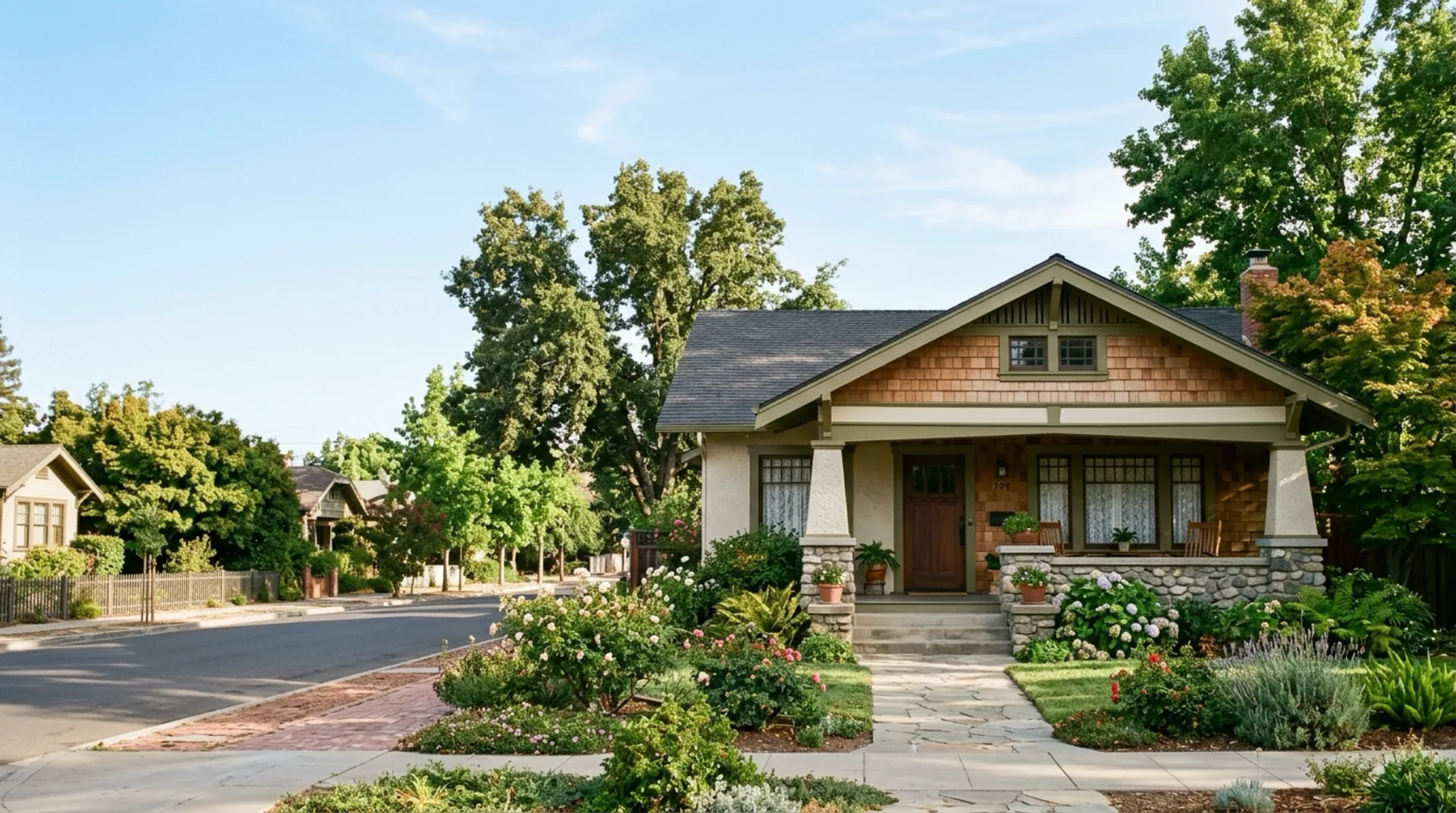
Oakland and Berkeley residential neighborhoods viewed from the hills

Alameda County Termite Control — Oakland to Livermore

Oakland · Berkeley · Fremont · Hayward · Livermore · Pleasanton

Alameda County spans one of the most termite-active real estate markets in California. Oakland and Berkeley's dense Craftsman bungalow and Edwardian neighborhoods — built between 1900 and 1925 using old-growth Douglas fir — represent a century of accumulated drywood termite exposure in some of the most densely populated residential neighborhoods on the East Bay. The Oakland-Berkeley Hills add subterranean termite pressure from moisture-retaining soils. East of the hills, the Tri-Valley cities (Livermore, Pleasanton, Dublin) have their own structural pest dynamics shaped by hot, dry summers. 101 Exterminators brings SPCB-licensed termite expertise to all of Alameda County.

Understanding Alameda County

Effective pest control begins with understanding the specific conditions that drive pest activity in your area. Here is what shapes the pest landscape in Alameda County.

Climate & Weather

Alameda County's climate is divided by the Oakland-Berkeley Hills. West of the hills, coastal communities experience marine fog influence — mild temperatures, summer fog, and soil moisture that supports subterranean termite activity. Oakland's flatlands are slightly warmer and support drywood termite swarms from May through October. East of the hills, the Tri-Valley (Livermore, Pleasanton, Dublin) has significantly hotter summers (95–105°F+) and drier conditions — still active for drywood termites, but a different environmental profile. Annual rainfall ranges from 22 inches in Berkeley to 14 inches in Livermore.

Housing Stock

Oakland and Berkeley have one of the largest concentrations of pre-1930 housing stock in the Bay Area. The flatland neighborhoods — Temescal, Rockridge, North Oakland, Elmwood, Claremont, West Berkeley — are densely packed with Craftsman bungalows and Edwardian flats built 1900–1925, using old-growth Douglas fir framing that has been exposed to drywood termites for over a century. Many of these buildings have never had a comprehensive termite treatment. Hayward and San Leandro have substantial post-WWII housing (1940s–1960s). Fremont has a mix of 1960s–1980s tract homes and newer construction. The Tri-Valley cities are predominantly 1980s–2000s construction.

Geography & Landscape

The Oakland-Berkeley Hills create a significant ecological transition. West-facing slopes receive coastal fog and maintain higher soil moisture — ideal for subterranean termite foraging. The flatlands below Berkeley and Oakland are densely developed with continuous wood-frame construction, allowing drywood termite colonies to spread laterally through structures over decades. San Francisco Bay's shoreline communities (Alameda Island, San Leandro shore) have high water tables supporting subterranean activity. The Tri-Valley's interior position creates hotter, drier conditions where drywood termites are dominant.

Pest Pressure

Oakland and Berkeley's Craftsman and Edwardian neighborhoods have the highest drywood termite infestation rates in the East Bay. A significant percentage of pre-1925 homes in these neighborhoods have never received a comprehensive drywood termite treatment, and multi-chamber colony systems are common in original framing. Subterranean termites are active in hillside neighborhoods and in flatland areas with moisture-retaining soils. Real estate transactions in Alameda County routinely require WDO reports — Oakland and Berkeley's active housing market drives high inspection volume. The Tri-Valley has lower termite pressure than the flatlands but still requires regular inspection of older homes.

All Services Available in Alameda County

Every service we provide is available throughout Alameda County. From termite inspections and fumigation to ongoing pest maintenance programs and crawl space services, we are your single point of contact for any pest challenge.

Termite Control
General Pest Control
Rodent Control
Fumigation
Bed Bug Treatment
Ant Control
Wasp & Bee Removal
Spider Control
Bird Netting
Pest Inspections
Vapor Barrier
Insulation Services
View all services

Why Local Expertise Matters

East Bay termite work — particularly in the Oakland and Berkeley Craftsman neighborhoods — requires direct experience with the specific framing patterns, structural configurations, and infestation histories of these buildings. We understand how drywood termite colonies spread through the balloon-frame construction common in pre-1925 Craftsman bungalows, what whole-structure fumigation coordination looks like in dense Oakland flatland blocks, and what the real estate market expects from a WDO report in a competitive Berkeley transaction. SPCB License #9119.

Explore Alameda County Service Areas

Each city in Alameda County has its own pest dynamics shaped by local climate, housing stock, and geography. Select a city to see location-specific pest intelligence and services.

Oakland

Drywood termites in pre-1925 Craftsman and Edwardian construction throughout the flatlands represent the highest-volume termite work in Oakland. Many infestations are extensive because they have gone undetected and untreated for decades. Subterranean termites are active in the hills and bayfront areas. Real estate transactions in Oakland routinely require WDO reports — the city's active market means inspection demand is high year-round.

Drywood TermitesSubterranean TermitesRoof Rats

Berkeley

Drywood termites in pre-1930 construction are the dominant structural pest concern in Berkeley. The volume of un-treated or under-treated historic housing is exceptionally high. Subterranean termites are active in fog-belt flatland neighborhoods and creek-adjacent properties. Berkeley's real estate market is one of the most active in the East Bay — WDO inspection demand is high and buyers are sophisticated about what a Section 1 finding means for transaction negotiations.

Drywood TermitesSubterranean TermitesRoof Rats

Fremont

Drywood termites in older Mission San Jose and Niles neighborhoods; subterranean termites in Bay-adjacent and creek-adjacent areas. Active South Bay real estate market drives WDO inspection demand.

Drywood TermitesSubterranean TermitesRoof Rats

Hayward

Drywood termites in older hillside and downtown-adjacent housing; subterranean termites in Bay-adjacent flatlands. Active East Bay real estate market drives consistent WDO inspection demand.

Drywood TermitesSubterranean TermitesRoof Rats

San Leandro

Mid-century housing stock across the city has accumulated drywood and subterranean termite exposure. Bay-adjacent and creek neighborhoods have elevated subterranean termite activity. Active East Bay real estate market keeps WDO inspection demand consistent.

Drywood TermitesSubterranean TermitesRoof Rats

Livermore

Drywood termites are dominant in Livermore — the hot, dry climate makes this city one of the most active drywood termite environments in Alameda County. Subterranean termites are present near creek corridors and the valley floor where soil moisture is higher. Active Tri-Valley real estate market drives consistent WDO inspection demand.

Drywood TermitesSubterranean TermitesRoof Rats

Pleasanton

Drywood termites are dominant in Pleasanton's warm, dry climate. Subterranean termites are present near Arroyo del Valle and the valley floor. Pleasanton's high-value real estate market makes WDO inspection quality critical for transaction documentation.

Drywood TermitesSubterranean TermitesRoof Rats

20+

Years Serving Alameda County

A+

BBB Rating

4

Counties Covered

5★

Google Rating

Alameda County Pest Control FAQs

Are Oakland and Berkeley Craftsman homes at high risk for termites?

Yes — among the highest risk of any residential neighborhood type in California. These homes were built 1900–1925 using old-growth Douglas fir, in many cases have never been fumigated, and sit in dense blocks where colonies spread laterally through adjacent structures. A significant percentage of pre-1925 Oakland and Berkeley homes have active drywood termite infestations. Annual inspections are strongly recommended for these properties.

Do you provide WDO reports for Alameda County real estate transactions?

Yes. We provide SPCB-licensed WDO inspection reports for residential and commercial properties throughout Alameda County. Our reports document Section 1 and Section 2 findings in the format expected by Bay Area real estate agents and title companies. Oakland and Berkeley real estate transactions move quickly — we work to deliver reports on a schedule that fits your transaction timeline.

What are the differences between drywood and subterranean termite treatment?

Drywood termites live entirely within the wood they infest — treatment requires either reaching the colony directly (orange oil, spot treatment) or treating the entire structure (fumigation or heat). Subterranean termites nest in the soil and forage into the structure — treatment targets the soil with liquid termiticide or bait systems that interrupt foraging. Many Alameda County homes have both species present, which is why a comprehensive WDO inspection is important before deciding on a treatment approach.

How long does a termite fumigation take in Oakland?

A standard residential fumigation in Oakland takes 24–48 hours on-site (tenting, gas introduction, aeration). You will need to vacate the property and make arrangements for pets, plants, and food items per the fumigation preparation checklist we provide. In dense flatland blocks, we coordinate with neighbors and the city as needed for access. We provide a re-entry clearance certificate before you return to the structure.

Free Pest Inspection in Alameda County

CA licensed and insured. Written estimate before any work begins. Same-day response available for urgent pest situations.

Trusted by Alameda County families since 2005