
Berkeley Termite Control
Berkeley Termite Control — Historic Home Specialists
Drywood & Subterranean Treatment · WDO Inspections · Craftsman & Edwardian Experts
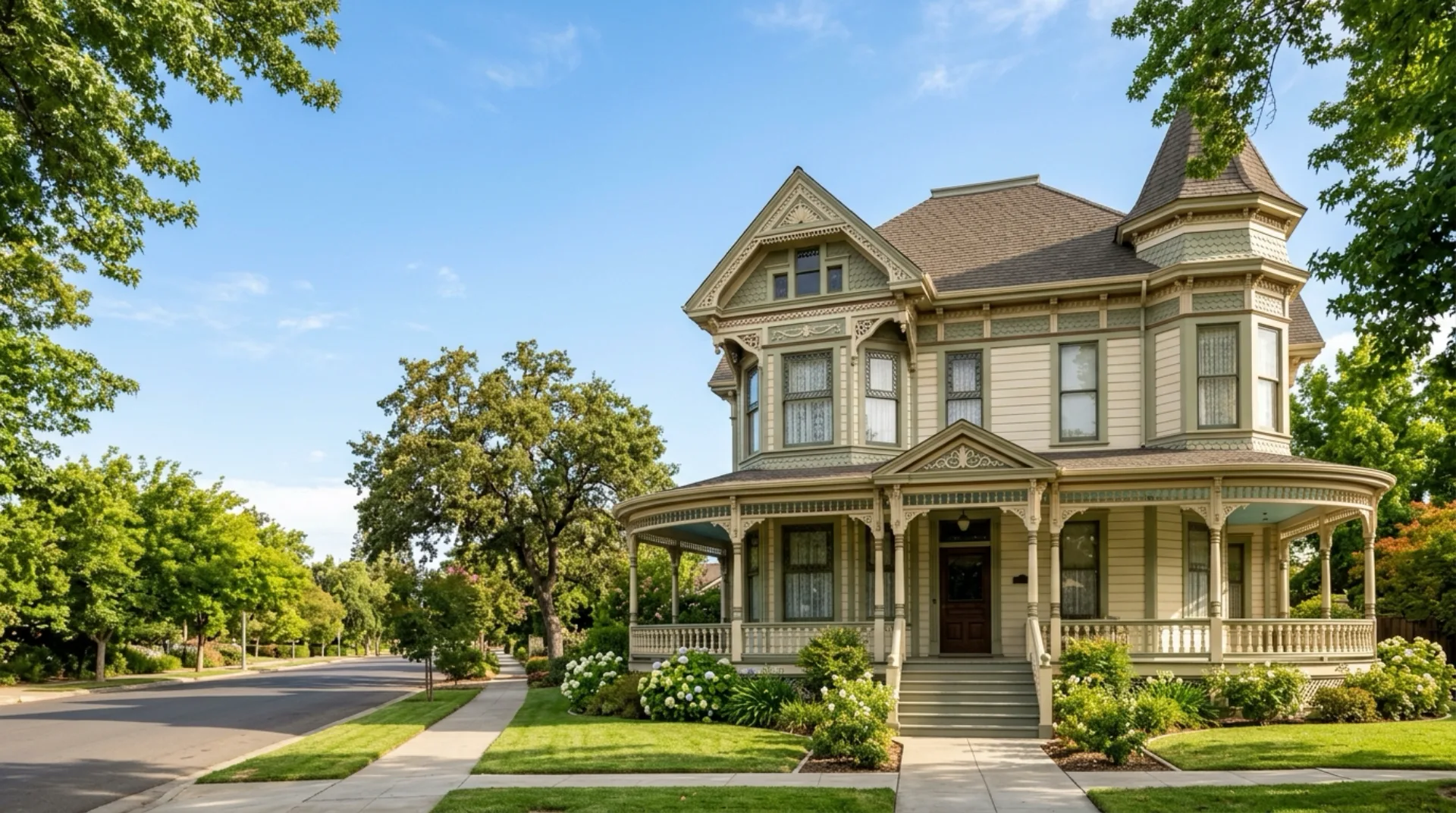
Berkeley's residential neighborhoods are a showcase of early-20th-century American architecture — Craftsman bungalows, brown shingles, and Edwardian homes built between 1900 and 1930, most using old-growth Douglas fir or redwood framing that has been in place for over a century. The Elmwood, Claremont, Northbrae, and Thousand Oaks neighborhoods have among the highest concentrations of pre-1925 housing in the East Bay. Drywood termite colonies in these structures have had 100 years to establish, spread laterally, and create multi-chamber infestations that are often only discovered at the point of sale. 101 Exterminators provides SPCB-licensed termite inspection and treatment for Berkeley's historic and modern housing.
Local Intelligence
Understanding Berkeley
Effective pest control begins with understanding the specific conditions that drive pest activity in your area. Here is what shapes the pest landscape in Berkeley.
Climate & Weather
Berkeley's climate transitions from the foggy flatlands near the Bay to the warmer, drier hillside neighborhoods above the UC campus. The flats receive more marine fog, supporting subterranean termite activity in moist soils. The hills and hillside neighborhoods are warmer and drier — ideal drywood termite territory with swarms active from May through October. Annual rainfall averages 22–25 inches in the hills.
Housing Stock
Berkeley's housing stock is among the oldest in the East Bay. The flatland and hillside neighborhoods have exceptional concentrations of pre-1930 construction — Craftsman bungalows, brown shingled homes, and Edwardian flats built by the architects and developers who shaped Bay Area residential architecture. Many of these structures have original old-growth Douglas fir framing, minimal previous termite treatment history, and structural configurations that allow lateral colony spread through shared spaces. The hills have 1920s–1940s construction with their own significant termite histories. Post-war development in South Berkeley and West Berkeley is more modern but not immune.
Geography & Landscape
Berkeley's topography — from sea level at the Bay to 1,700 feet at the Tilden Regional Park ridge — creates a significant moisture gradient. Bay-level neighborhoods have higher fog and soil moisture; hillside neighborhoods are warmer and drier. The Strawberry Creek watershed and associated drainage corridors maintain soil moisture through the flatland neighborhoods, supporting subterranean termite activity.
Pest Pressure
Drywood termites in pre-1930 construction are the dominant structural pest concern in Berkeley. The volume of un-treated or under-treated historic housing is exceptionally high. Subterranean termites are active in fog-belt flatland neighborhoods and creek-adjacent properties. Berkeley's real estate market is one of the most active in the East Bay — WDO inspection demand is high and buyers are sophisticated about what a Section 1 finding means for transaction negotiations.
Most Active Species
Priority Pests in Berkeley
These are the pests we see most frequently — and treat most effectively — in Berkeley. Each one reflects the specific environmental conditions of this area.
What We Offer
All Services Available in Berkeley
Every service we provide is available throughout Berkeley. From termite inspections and fumigation to ongoing pest maintenance programs and crawl space services, we are your single point of contact for any pest challenge.
Why Local Expertise Matters
Berkeley's historic housing stock is among the most complex termite inspection environments in California. The specific structural characteristics of brown shingle homes, the lateral colony spread common in Craftsman blocks, and the historic preservation considerations that affect treatment options all require direct field experience. We bring SPCB License #9119 and deep East Bay expertise to every Berkeley inspection.
Part of Alameda County
Berkeley is part of our Alameda County service area. We serve all surrounding communities in the county.
Alameda County service area20+
Years Serving Central California
A+
BBB Rating
4
Counties Covered
5★
Google Rating
Local Questions
Berkeley Pest Control FAQs
Are Berkeley brown shingle homes at high risk for termites?
Yes — significantly. Berkeley's brown shingle homes, typically built 1900–1920 with original redwood or Douglas fir framing and shingle siding, have had 100+ years of drywood termite exposure in a mild climate. The shingle siding itself is often a termite entry point. Many of these homes have extensive infestations in attic framing, wall framing, and window surrounds. We strongly recommend WDO inspections for all pre-1930 Berkeley homes regardless of their apparent condition.
What WDO inspection report format is used in Berkeley real estate transactions?
Berkeley real estate transactions use the standard California SPCB WDO inspection format — identifying Section 1 (active infestation and damage requiring treatment) and Section 2 (conditions conducive to future infestation). Our reports are issued on SPCB-licensed forms and are accepted by all East Bay title companies and real estate brokers. We can typically schedule and deliver reports within 2–3 business days.
Can I use orange oil instead of fumigation for my Berkeley Craftsman?
Orange oil (XT-2000) is an effective treatment for localized drywood termite infestations where the colony can be accessed and treated directly. For widespread infestations distributed through multiple framing members — common in Berkeley pre-1925 homes — fumigation provides more comprehensive coverage. We assess the infestation extent and recommend the appropriate treatment. In some Berkeley historic properties, heat treatment is also a viable option for certain infestation patterns.
Serving Berkeley
Free Pest Inspection in Berkeley
CA licensed and insured. Written estimate before any work begins. Same-day response available for urgent pest situations.