Targeted Pest Treatment
Local Treatments in Berkeley, CA
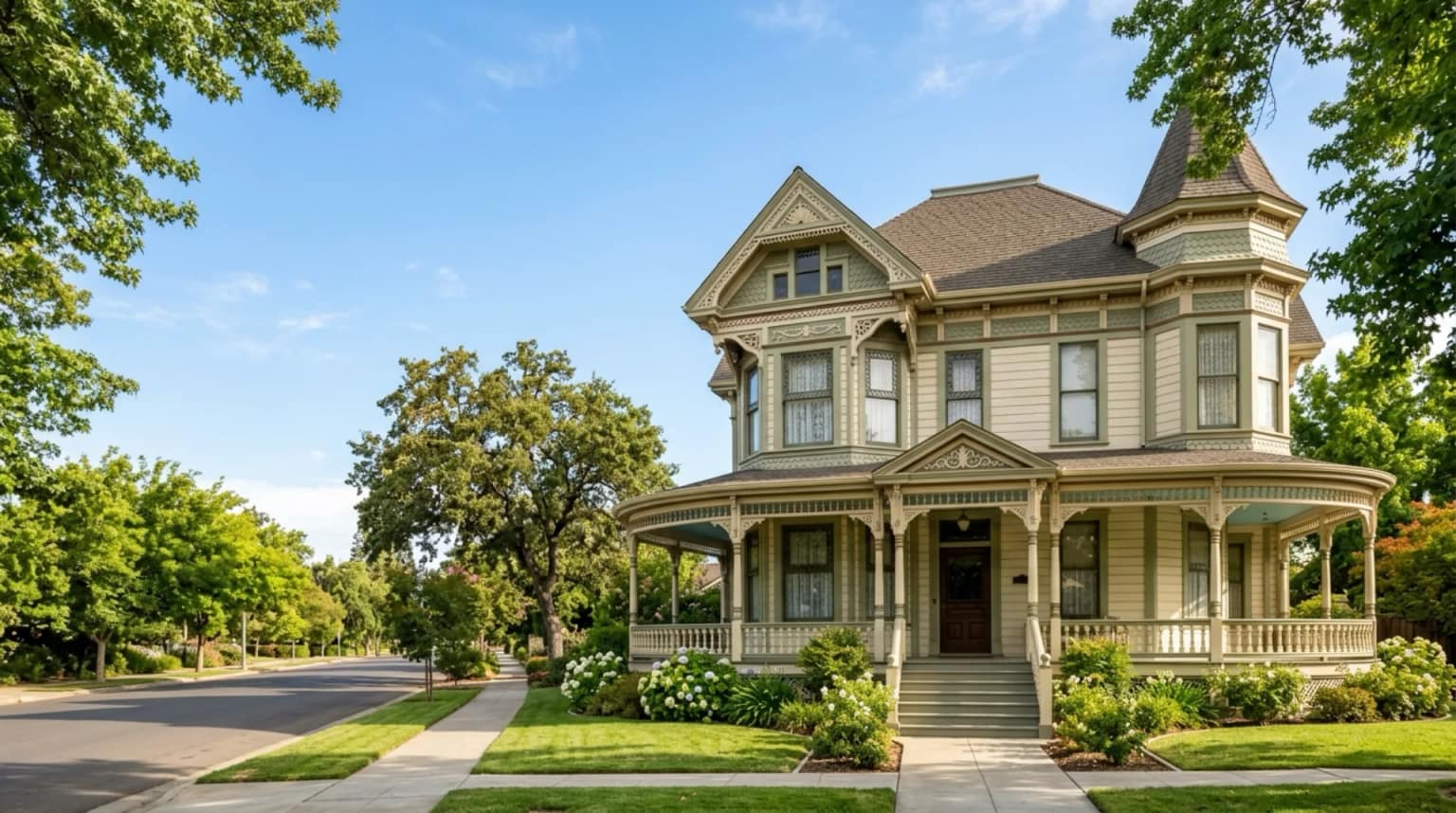
101 Exterminators performs local termite treatments in Berkeley when a drywood infestation is confined to accessible wood — a window header, a rafter tail, a section of eave framing — so you do not have to tent and vacate. We use orange oil, borate application, and direct drill-and-inject depending on where the galleries sit. On a century-old brown shingle, access decides the method. SPCB Lic. #9119, since 2005.
Warning Signs
Signs You Need Local Treatments Service in Berkeley
We offer drill-and-treat injections of termiticide foam or liquid directly into infested wood members. Orange oil (d-limonene) is an effective contact treatment for drywood termites when the gallery system can be reached. Borate treatments (Tim-bor, Bora-Care) applied to accessible wood provide both immediate kill and long-term preventive barrier against re-infestation. We recommend local treatment when infestation is localized and accessible — and fumigation when it is not.
Small, localized area of frass (termite pellets) from a specific location — ceiling, window trim, or wall
Limited gallery extent confirmed by inspection — evidence only in one or two accessible members
Inspector recommendation for local treatment as sufficient for the infestation found
Section 1 condition in a real estate transaction involving accessible, localized infestation
How It Works
Our Local Treatments Process in Berkeley
Every job follows the same methodical approach — no shortcuts, no guesswork. Here is what to expect when you work with us in Berkeley.
Inspection & Scope Assessment
We confirm the infestation is localized and accessible before recommending local treatment over fumigation. If evidence suggests broader infestation, we are honest about the limitation of spot treatment.
Treatment Method Selection
Orange oil for surface accessible galleries, drill-and-inject for deeper infestations in solid members, borate for accessible framing in crawl spaces and attics.
Treatment Application
Treatment is applied directly to infested wood, typically with minimal surface disturbance. Most local treatments do not require you to vacate the property.
Documentation & Warranty
All local treatments are documented, and a Completion Notice is issued for any Section 1 conditions addressed. Local treatment warranties are clearly described in your service agreement.
Why 101 Exterminators
Local Treatments You Can Count On in Berkeley
No Vacating Required
Most local treatments allow you to remain in your home during and immediately after application — unlike fumigation which requires 2–3 days out.
Honest Recommendation
We recommend local treatment when it is genuinely appropriate — and fumigation when the infestation scope requires it. We do not recommend the more expensive option just because it's available.
Common Questions
Local Treatments FAQs for Berkeley
Can orange oil treat drywood termites in a Berkeley Craftsman without tenting?
It can, when the galleries are accessible and the infestation is confined to specific members. Orange oil is a contact treatment, so it only works where the product actually reaches the gallery system — which makes it a good fit for exposed rafter tails, eave framing, and trim, and a poor fit for colonies distributed behind shingle siding or deep in the frame. We probe and inspect first, then tell you honestly which category your house falls into.
When does a Berkeley house need fumigation instead of a spot treatment?
When the evidence shows multiple separate colonies or galleries in wood we cannot reach. On a pre-1930 Berkeley house that has never been treated, finding drywood activity in the attic, a window header, and the porch framing at the same time usually means the frame is broadly infested, and treating three accessible pockets leaves the rest working. A single reachable pocket in a sound structure is the case where local treatment is the right call.
Can borate treatment protect new framing during a Berkeley crawl space repair?
Yes, and that is one of the best times to do it. Borate products soak into bare, unfinished wood and stay in it, so applying them to new sill plate, joists, or piers while the sub-area is open leaves a long-term barrier against drywood and subterranean termites and wood-decay fungi. It only works on bare wood — once framing is painted or sealed, the product cannot penetrate. Pair it with correcting the moisture that caused the damage.
Local Pest Pressure
Common Pests We Treat in Berkeley
Every area has its own pest profile shaped by climate, housing, and geography. These are the pests we see and treat most often in Berkeley — tap any one to learn how to identify it and what treatment involves.
Local Treatments · Berkeley
Free Pest Evaluation in Berkeley
CA licensed and insured. Written estimate before any work begins. Urgent situations in Berkeley are prioritized.