
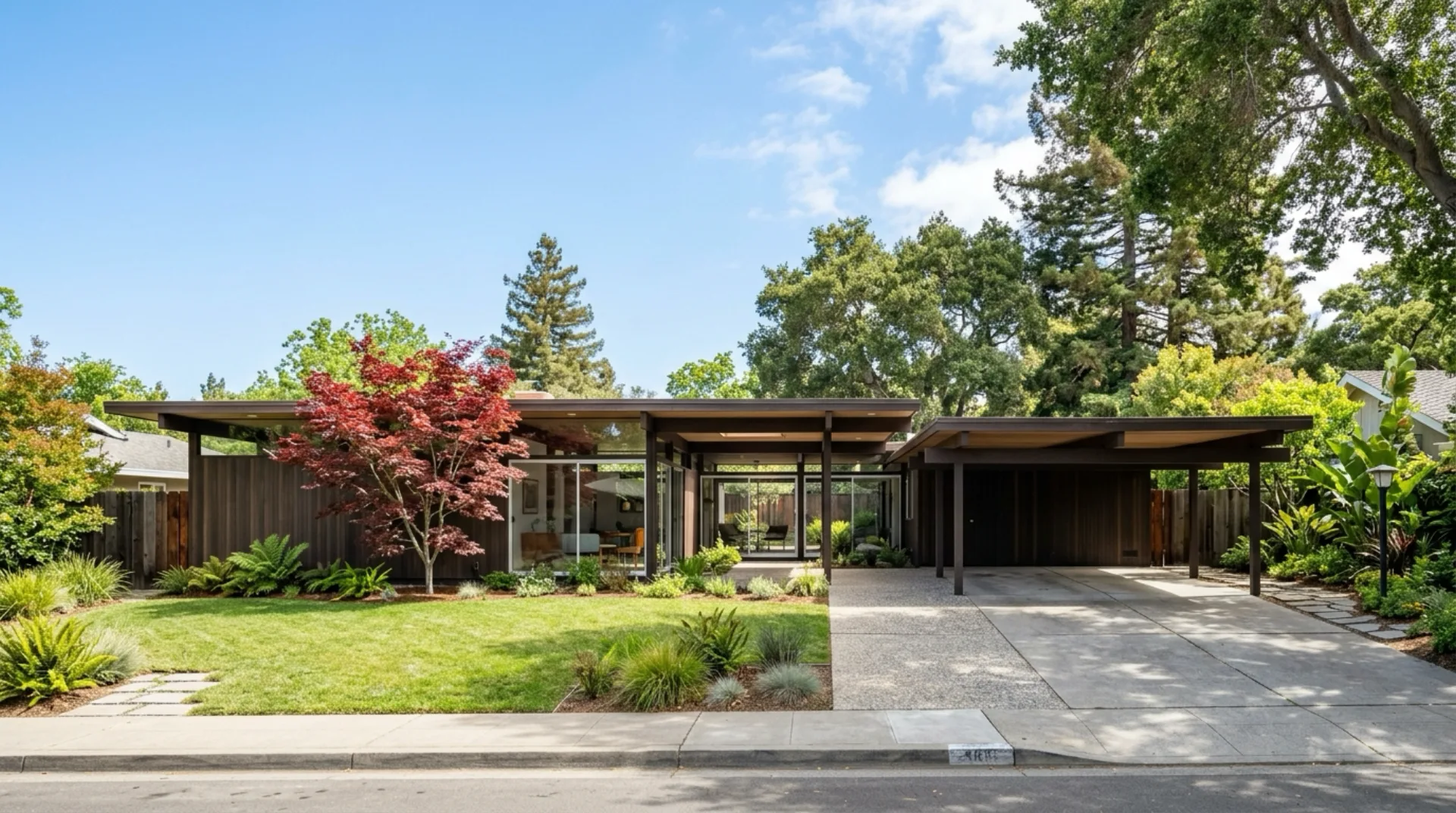
Structural Pest Control
The Best Termite Exterminators
California is one of the most termite-active states in the country — and Central California's combination of coastal humidity, inland heat, and aging wood-frame housing stock makes the region a prime target. 101 Exterminators provides licensed termite inspections, state-compliant WDO reports for real estate transactions, and comprehensive treatment programs that eliminate both drywood and subterranean species.
Before You Book
Help Us Assess Your Termites Request
Tell us where you found wings, pellets, mud tubes, or damaged wood. Those details help us assess the next step.
For a written WDO report for a sale or lender, book the paid structural pest inspection.
Schedule ServiceHow We Work
Our Process
Every service follows a structured protocol designed to deliver effective, lasting results — not a temporary fix.
Visual Review or Formal Inspection
A licensed technician reviews visible signs in accessible areas and explains them. For a sale, a separately booked paid structural pest inspection documents findings for the written WDO report.
Findings & Recommendations
We explain what we find and recommend the next step. A formal written WDO report comes with a separately booked paid structural pest inspection.
Targeted Treatment Plan
We recommend the most effective and least invasive treatment — whether that's localized spot treatment, fumigation for widespread drywood infestation, or subterranean bait systems.
Treatment & Documentation (If Needed)
If treatment is authorized, we carry out the agreed plan and explain any follow-up. When correcting Section 1 findings from a separately booked paid WDO inspection, we provide the applicable completion documentation.
What Sets Us Apart
Why Choose 101 Exterminators
California licensed and insured, with service across the published service area.
State-Licensed Inspectors
Our inspectors hold California Structural Pest Control licenses and are compliant with SPCB regulations for both inspections and treatments.
WDO Reports for Real Estate
We issue California Structural Pest Control Reports used in real-estate and financing workflows. If your lender, escrow company, or loan program has specific requirements, confirm them before scheduling.
Both Termite Species Covered
Central California has both drywood and subterranean termites. We identify which species is present and apply the treatment protocol specific to each.
Written Follow-Up Terms
Any re-inspection, re-service, or warranty terms for the recommended treatment are provided in writing before work begins.
CA
Licensed & Insured
A+
BBB Rating
7
Counties Served
Browse the full process guide library for other services.
Pests We Treat
Pests Our Termites Work Targets
Different pests demand different methods. Tap any one to learn how to identify it and what professional treatment involves.
Common Questions
Frequently Asked Questions
What's the difference between a Section 1 and Section 2 termite report?
A Section 1 finding is an active infestation or wood damage that requires treatment before or as a condition of a real estate transaction. A Section 2 finding is a condition that is likely to lead to infestation — such as wood debris under a house, improper drainage, or wood-to-soil contact — but is not yet an active infestation. A lender or purchase agreement may require Section 1 items to be cleared before funding or closing, so confirm the transaction-specific requirement.
How long does a termite inspection take?
A standard residential inspection takes between 45 minutes and 2 hours, depending on property size, attic and crawl space accessibility, and the complexity of the structure. We do not rush — a thorough inspection is the foundation of effective treatment.
Do I need to leave my home during treatment?
For localized treatments (spot treatments, orange oil, borates), you do not need to vacate. For full fumigation, you will need to be out of the home for approximately 3 days including pets, food without hermetic seals, and plants.
How much does termite treatment cost in California?
Costs vary significantly based on infestation severity, square footage, and treatment method. Localized treatments are the lower-cost option, while full-structure fumigation for an average-size home costs more. We provide a written estimate before any work begins.
Are termites active year-round in Monterey County?
Drywood termites are active year-round inside structures regardless of temperature. Subterranean termites swarm in late winter and spring (February–May in Monterey County) when conditions are warm and humid. However, their foraging activity continues year-round. Early detection prevents structural damage regardless of season.
Service Locations
Where We Provide Termites
Service Areas
Termite Control Across the Central Coast and Bay Area
Browse the cities we serve, then tell us about the signs or conditions at your property.
Related Services
Serving 7 California Counties
Monterey · San Benito · Santa Cruz · Santa Clara · San Francisco · San Mateo · Alameda
Keep Reading
Guides & Articles
Ready to Get Started?
Book Your First Service
If you're new to us, start a recurring plan and we'll take 10% off your first service. Any proposed work is quoted in writing. Serving Monterey, San Benito, Santa Cruz, Santa Clara, San Francisco, San Mateo and Alameda counties.