Structural Pest Control
Termite Control in Palo Alto, CA
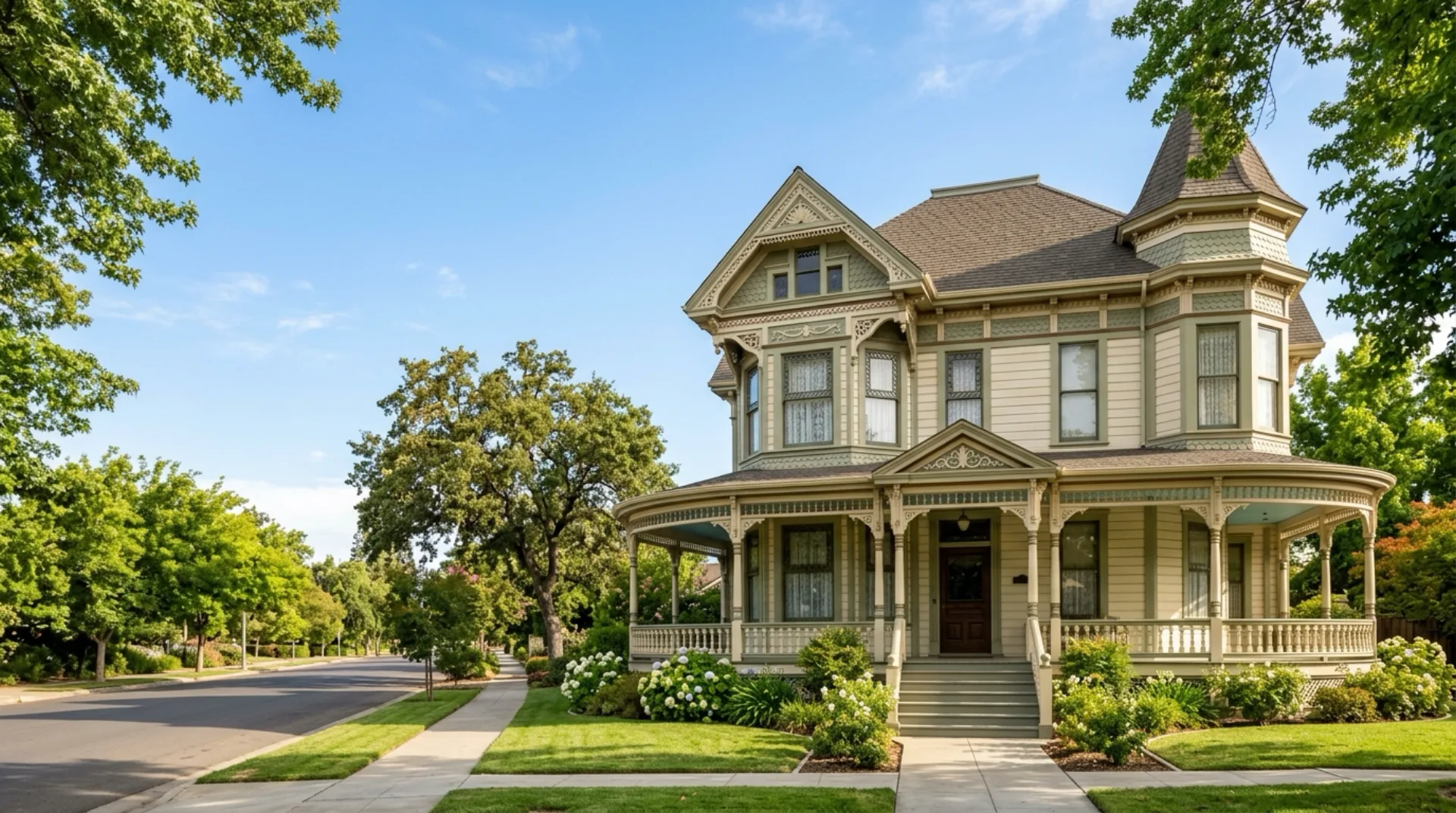
101 Exterminators does termite control in Palo Alto as a California-licensed structural pest company, SPCB Lic. #9119, Santa Clara County. The Professorville historic district, bounded by Addison, Waverley, Kingsley and Ramona, is built almost entirely of Colonial Revival, Craftsman and Shingle-style houses that went up before 1930 on old-growth framing. Western drywood termites have had that wood for generations. We inspect the whole structure, write the findings up by section, then treat.
Warning Signs
When to Ask About Termite Control in Palo Alto
We check visible wood in accessible attics, crawl spaces, fences, and exterior areas, then explain the next step. For written findings needed in a sale, book a paid structural pest inspection. Its WDO report separates Section 1 from Section 2 conditions.
Hollow-sounding wood when tapped — galleries eaten from inside
Frass (fine sawdust-like pellets) near baseboards or windowsills — drywood termite excrement
Discarded wings near doors or windows in spring — swarmers leaving to start new colonies
Blistering or bubbling paint on wood surfaces — subterranean tunnel activity underneath
Mud tubes running up foundation walls or piers — subterranean termite foraging trails
Soft or sagging flooring near walls — severe structural damage to subfloor joists
Small holes in wood with discoloration around the edges
Real estate transaction requiring a WDO inspection and clearance report
How It Works
What to Expect from Termite Control in Palo Alto
Tell us where you found wings, pellets, mud tubes or damaged wood. If you need a written report for a sale or refinance, ask for a formal WDO inspection when you book.
Visual Review or Formal Inspection
A licensed technician reviews visible signs in accessible areas and explains them. For a sale, a separately booked paid structural pest inspection documents findings for the written WDO report.
Findings & Recommendations
We explain what we find and recommend the next step. A formal written WDO report comes with a separately booked paid structural pest inspection.
Targeted Treatment Plan
We recommend the most effective and least invasive treatment — whether that's localized spot treatment, fumigation for widespread drywood infestation, or subterranean bait systems.
Treatment & Documentation (If Needed)
If treatment is authorized, we carry out the agreed plan and explain any follow-up. When correcting Section 1 findings from a separately booked paid WDO inspection, we provide the applicable completion documentation.
Why 101 Exterminators
Why Choose 101 Exterminators for Termite Control in Palo Alto
State-Licensed Inspectors
Our inspectors hold California Structural Pest Control licenses and are compliant with SPCB regulations for both inspections and treatments.
WDO Reports for Real Estate
We issue California Structural Pest Control Reports used in real-estate and financing workflows. If your lender, escrow company, or loan program has specific requirements, confirm them before scheduling.
Both Termite Species Covered
Central California has both drywood and subterranean termites. We identify which species is present and apply the treatment protocol specific to each.
Written Follow-Up Terms
Any re-inspection, re-service, or warranty terms for the recommended treatment are provided in writing before work begins.
Common Questions
Termite Control FAQs for Palo Alto
Do Eichler homes in Palo Alto get termites even though they sit on a slab?
Yes — the slab changes which species you get, not whether you get one. Subterranean termites (Reticulitermes) travel up through slab cracks, expansion joints and plumbing penetrations to reach the sill plate and wall framing. Drywood termites skip the soil entirely and enter through the exposed beam ends, fascia and low-slope roof edges that post-and-beam construction in Greenmeadow, Fairmeadow and Charleston Meadow leaves open to weather. Both turn up in Eichler inspections.
How do you treat termites in a Professorville house without damaging the original woodwork?
Method follows the location of the infestation, and localized work is often possible when the galleries are accessible. In pre-1930 Palo Alto houses that usually means drill-and-inject or borate treatment of specific framing members in the attic and eaves, which leaves finished interior surfaces alone. Fumigation becomes the honest answer when evidence is spread through framing we cannot reach. We tell you which of the two the inspection actually supports.
What does termite damage near San Francisquito Creek look like compared to the rest of Palo Alto?
Near the creeks it looks like mud, not frass. Subterranean termites build shelter tubes — pencil-width mud tubes running up stem walls, piers and slab edges — because they need contact with soil moisture, and the corridors along San Francisquito, Matadero, Adobe and Barron creeks hold that moisture long after the rain stops. Drywood termites in the drier hillside neighborhoods leave dry pellets instead, pushed out of small kick-out holes. The two findings call for different treatments.
Local Pest Pressure
Common Pests We Treat in Palo Alto
Every area has its own pest profile shaped by climate, housing, and geography. These are the pests we see and treat most often in Palo Alto — tap any one to learn how to identify it and what treatment involves.
Termite Control · Palo Alto
Schedule Service in Palo Alto
Tell us what you have found and where. For a sale or refinance, request a separate paid WDO inspection.