
Structural Pest Control
Termite Control in Fremont, CA
101 Exterminators performs termite control in Fremont for homeowners, listing agents, and property managers across Alameda County. The city carries two species at once: western subterranean colonies in the damp ground west of I-880, and western drywood galleries in the pre-1960 framing around Mission San Jose and Niles. We inspect, write the WDO report, and treat. SPCB Lic. #9119, family-run.
Home maintenance
How do you keep termites out of a Fremont home?
Keep sprinkler water off the foundation and keep old wood sealed. About 43% of Fremont homes went up between 1970 and 1989, and 1,718 date from before 1940 in old towns like Niles and Mission San Jose. Warm, dry summers mean irrigation, not rain, keeps soil damp for subterranean termites from May to October.
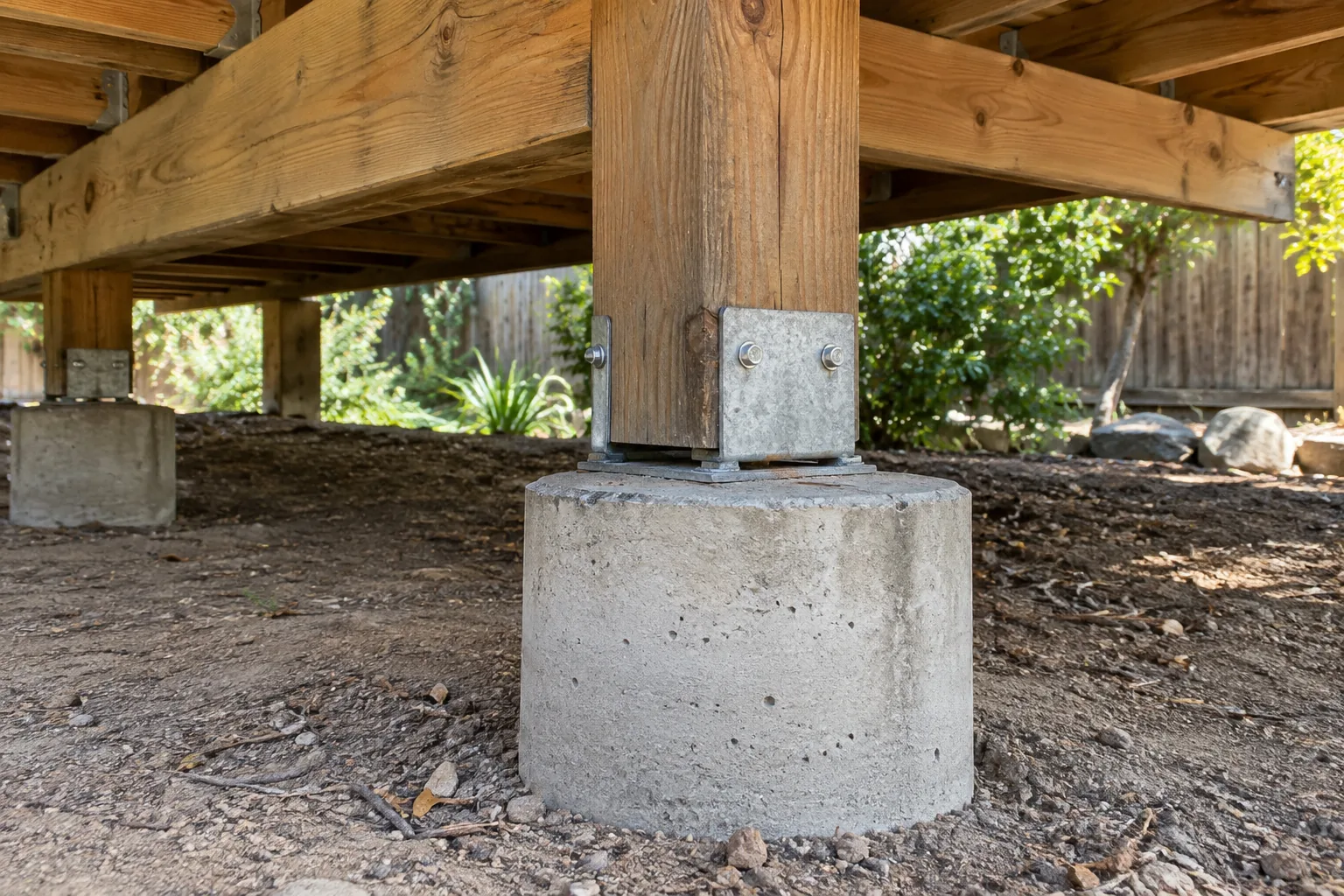
Aim sprinklers away from the house
Fremont averages about 15.9 inches of rain a year and almost none in summer, so the soil against your foundation stays wet only where irrigation reaches it. Point heads away from walls and fix leaking drip lines.
Keep soil and bark below the siding
Beds on 1970s and 1980s tract lots have built up over forty years. Pull soil and mulch back so no siding, trim or fence post touches the ground.
Seal and paint old trim in Niles and Mission San Jose
Pre-1940 houses in the old towns still carry original porches, trim and window frames. Keep them painted and fill cracks, because bare, dry wood gives drywood swarmers a place to start in summer and fall.
Screen attic and gable vents
September is Fremont’s warmest month. Replace torn vent screens before late summer so drywood termites flying on warm afternoons can’t get into the attic.
Clear wood debris from side yards
Old fence boards, garden timbers and firewood stacked in narrow tract side yards give subterranean colonies a hidden start. Store firewood off the ground and away from walls.
When to do it
Irrigation and soil-line work in spring, vent screens and paint before September.
Maintenance guidance: UC IPM, Termites (Pest Notes 7415)
Warning Signs
When to Ask About Termite Control in Fremont
We check visible wood in accessible attics, crawl spaces, fences, and exterior areas, then explain the next step. For written findings needed in a sale, book a paid structural pest inspection. Its WDO report separates Section 1 from Section 2 conditions.
Hollow-sounding wood when tapped — galleries eaten from inside
Frass (fine sawdust-like pellets) near baseboards or windowsills — drywood termite excrement
Discarded wings near doors or windows in spring — swarmers leaving to start new colonies
Blistering or bubbling paint on wood surfaces — subterranean tunnel activity underneath
Mud tubes running up foundation walls or piers — subterranean termite foraging trails
Soft or sagging flooring near walls — severe structural damage to subfloor joists
Small holes in wood with discoloration around the edges
Real estate transaction requiring a WDO inspection and clearance report
How It Works
What to Expect from Termite Control in Fremont
Tell us where you found wings, pellets, mud tubes or damaged wood. If you need a written report for a sale or refinance, ask for a formal WDO inspection when you book.
Visual Review or Formal Inspection
A licensed technician reviews visible signs in accessible areas and explains them. For a sale, a separately booked paid structural pest inspection documents findings for the written WDO report.
Findings & Recommendations
We explain what we find and recommend the next step. A formal written WDO report comes with a separately booked paid structural pest inspection.
Targeted Treatment Plan
We recommend the most effective and least invasive treatment — whether that's localized spot treatment, fumigation for widespread drywood infestation, or subterranean bait systems.
Treatment & Documentation (If Needed)
If treatment is authorized, we carry out the agreed plan and explain any follow-up. When correcting Section 1 findings from a separately booked paid WDO inspection, we provide the applicable completion documentation.
Why 101 Exterminators
Why Choose 101 Exterminators for Termite Control in Fremont
State-Licensed Inspectors
Our inspectors hold California Structural Pest Control licenses and are compliant with SPCB regulations for both inspections and treatments.
WDO Reports for Real Estate
We issue California Structural Pest Control Reports used in real-estate and financing workflows. If your lender, escrow company, or loan program has specific requirements, confirm them before scheduling.
Both Termite Species Covered
Central California has both drywood and subterranean termites. We identify which species is present and apply the treatment protocol specific to each.
Written Follow-Up Terms
Any re-inspection, re-service, or warranty terms for the recommended treatment are provided in writing before work begins.
Common Questions
Termite Control FAQs for Fremont
Why do homes west of I-880 in Fremont get subterranean termites?
Because that ground stays wet. Western Fremont drains toward the Bay salt marsh, and the shallow water table around Ardenwood and the Baylands keeps soil moisture available to Reticulitermes hesperus through the dry months, so foraging never really stops. The sign to look for is a mud tube — a pencil-width earthen shelter running up a stem wall, a pier, or a slab edge. Photograph it before you knock it down, because its direction tells an inspector where the colony is working from.
Is a Fremont tract home from the 1970s old enough to have termites?
Yes. A house from that era has taken roughly fifty summers on its fascia, trim, and eave joints, and that is what opens the door. Drywood termites enter through checked paint, an open knot, or a gap at a rafter tail rather than through age by itself. We find live galleries in Parkmont and Glenmoor Gardens framing regularly, most often at the garage header, the eave return, and the attic ridge.
Does a Mission San Jose house need a different termite inspection than one in Warm Springs?
It needs a different starting point. Mission San Jose holds Fremont's oldest housing, so we work the attic, eaves, and exterior trim first, hunting drywood frass and kick-out holes. Warm Springs and southern Fremont sit on wetter ground closer to the Bay, so the sub-area, stem wall, and slab edge come first there for subterranean evidence. Same report format, different order of attack.
Local Pest Pressure
Common Pests We Treat in Fremont
Every area has its own pest profile shaped by climate, housing, and geography. These are the pests we see and treat most often in Fremont — tap any one to learn how to identify it and what treatment involves.
Termite Control · Fremont
Schedule Service in Fremont
Tell us what you have found and where. For a sale or refinance, request a separate paid WDO inspection.