
Stinging Insect Control
Wasp & Bee Removal in Fremont, CA
101 Exterminators handles wasp and bee removal in Fremont — yellow jacket nests in the ground and in wall voids, paper wasp combs under eaves and patio covers, and honey bee colonies inside structures. Where a honey bee swarm is accessible, we work to move it to a local beekeeper instead of killing it. Nest work runs from the Mission Peak foothills down to the Ardenwood flats. SPCB Lic. #9119.
Home maintenance
How do you keep yellowjackets away from a Fremont home?
Keep food covered outdoors, close the cavities they nest in, and let a beekeeper handle honey bee swarms. Fremont’s foothill neighborhoods sit below Mission Peak, where ground-nesting yellowjackets build in old rodent burrows, and colonies reach full size in the warm late summer. Most prevention is yard upkeep in spring and food habits in August and September.
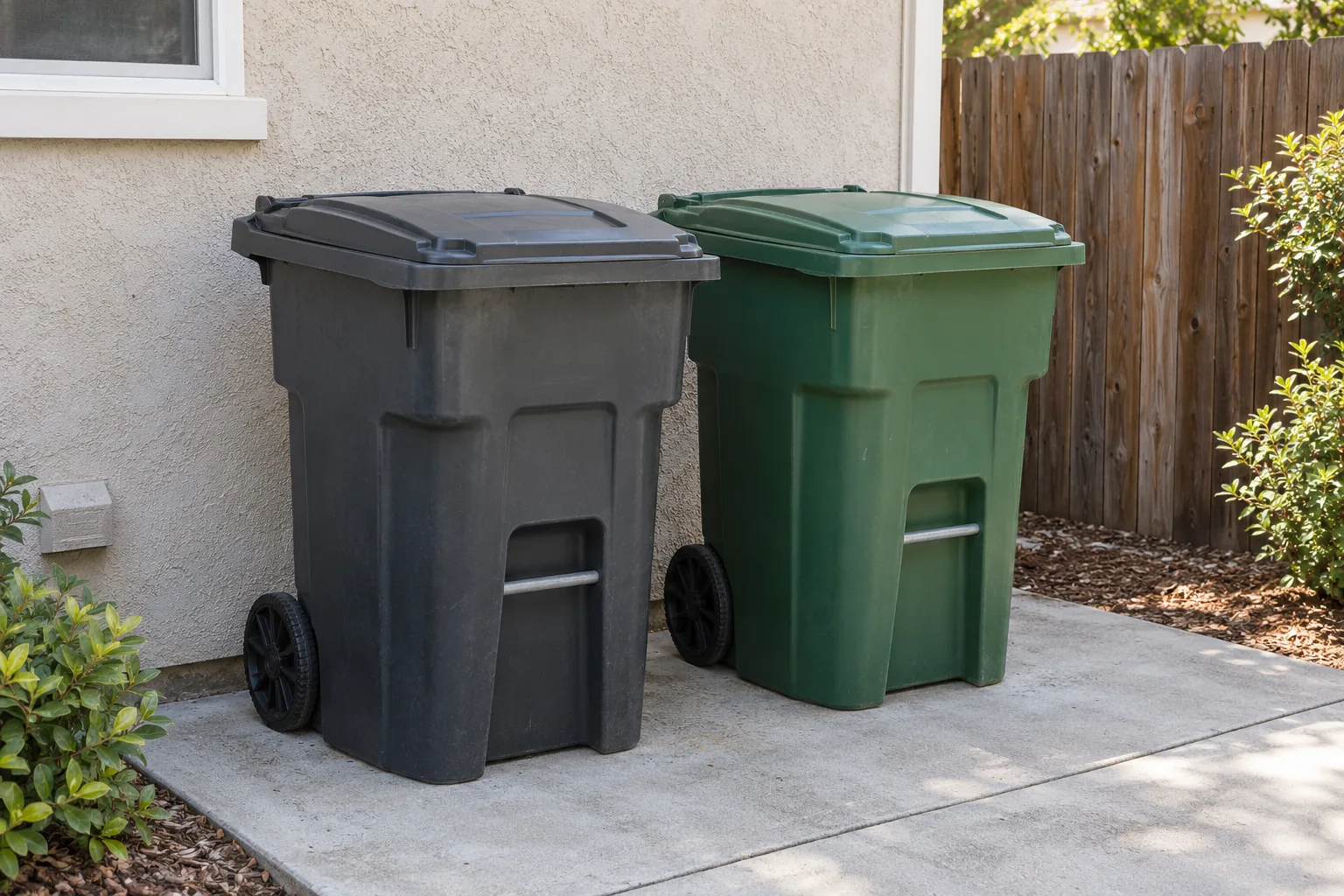
Cover food and garbage outdoors
Late-summer yellowjackets hunt for meat and sweets. Keep lids on garbage and compost, clear plates after patio meals, feed pets inside, and pick up fallen fruit under backyard trees.
Fill old burrows in spring
Yellowjacket queens start nests in empty rodent burrows and cavities in spring. Fill and tamp abandoned gopher and ground squirrel holes in the yard before nests get going, and watch for steady traffic at any hole.
Seal gaps in eaves and siding
Paper wasps and yellowjackets nest in wall voids and under eaves. Caulk gaps and replace damaged vent screens in winter, when no colony is active.
Leave active nests alone
Don’t plug, spray or dig out a nest. Keep children and pets away from the area and have a professional remove it.
Call a beekeeper for honey bee swarms
A cluster of honey bees on a branch or fence in spring is a swarm resting while scouts find a home. Leave it alone and contact a local beekeeping group to collect it.
When to do it
Seal gaps in winter, fill burrows in March and April, and keep food covered from August through October.
Maintenance guidance: UC IPM, Yellowjackets and other social wasps (Pest Notes 7450)
Warning Signs
When to Ask About Wasp & Bee Removal in Fremont
We treat yellow jacket nests (including in-ground and wall-void nests), paper wasp nests under eaves and overhangs, European and bald-faced hornet nests, and mud dauber tubes. For honey bee hives established in walls or structures, we provide complete treatment and nest removal including comb excavation to prevent future odor and secondary pest attraction. For accessible swarms, we can arrange transfer to a local beekeeper.
Visible nest under eaves, in shrubs, attached to window frames, in tree cavities, or in attic vents
Repeated wasp activity near a specific location on the structure — nest is likely nearby
Wasp or bee activity around a specific gap, crack, or vent opening — indicates cavity nest inside
In-ground yellow jacket activity — small hole in soil or mulch bed with wasps entering and exiting
Honey bee swarm visible on a tree, shrub, or structure — usually a temporary cluster
Buzzing sounds within walls, soffits, or chimney area — established honey bee hive
How It Works
What to Expect from Wasp & Bee Removal in Fremont
Tell us where the nest or activity is and whether people need to pass close to it. Avoid disturbing the nest while we discuss the next step.
Species & Nest Location
We identify the species and locate all nesting sites, including in-wall or structural voids that require special access. Species determines the treatment approach.
Treatment in Protective Equipment
Our technicians treat nests in full protective equipment — veil, suit, and gloves. Evening treatment is preferred for ground nests when foragers have returned to the nest.
Nest Removal
After treatment, accessible nests are physically removed. For wall-void nests, we advise on comb removal to prevent secondary pest attraction from wax, honey, and larval material.
Entry Point Sealing
We seal entry points used by cavity-nesting species to prevent re-colonization by a new colony in the same location.
Why 101 Exterminators
Why Choose 101 Exterminators for Wasp & Bee Removal in Fremont
Bee Relocation Option
When possible, we work with local beekeepers to relocate honey bee swarms and accessible hives rather than exterminating them. Good for bees, good for local agriculture.
Wall-Void Nest Removal
Nests inside walls require more than just treatment — the comb must be removed to prevent honey seepage, secondary pests, and odor. We handle the complete remediation.
Urgent Situations Come First
A wasp nest near an entry door, child's play area, or pet run is a safety emergency. We move these ahead of routine work.
Evening Ground Nest Treatment
Yellow jacket ground nests are treated at dusk when the full colony has returned, maximizing effectiveness and minimizing any risk of disrupted forager activity.
Common Questions
Wasp & Bee Removal FAQs for Fremont
Why do yellow jackets show up at Fremont backyard barbecues in late summer?
Late summer is when the colony is largest and its diet shifts. Western yellowjacket nests started underground in spring on the dry slopes below Mission Peak, and by August and September the workers are hunting protein and sugar for a peak-population colony. A grill, an open trash bin, or a plum tree dropping fruit reads to them as a food source. Sealing lids and clearing fallen fruit cuts the traffic, but the nest itself has to be found and treated to end it.
There are bees in the wall of my Fremont house — can they be relocated?
A colony already established inside a wall usually cannot be relocated intact, because the comb is built into the void and will not lift out whole. A swarm that has just landed on a branch, a fence, or a porch column is a different situation — those are still mobile, and we work to get accessible swarms to a local beekeeper. Either way the comb has to come out of the wall afterward; left in place it melts, stains, and draws secondary pests.
Do wasp nests under Fremont eaves die off in winter on their own?
The colony dies back, but leaving the nest is still a problem. Fremont January lows average around 43°F, cold enough to end a paper wasp colony but not reliably, and the old paper stays behind as a scent cue that makes the same eave bay attractive again in spring. We treat first, then remove the comb physically. Do not knock one down by hand in daylight — the foragers are home and defensive at the nest.
Local Pest Pressure
Common Pests We Treat in Fremont
Every area has its own pest profile shaped by climate, housing, and geography. These are the pests we see and treat most often in Fremont — tap any one to learn how to identify it and what treatment involves.
Wasp & Bee Removal · Fremont
Schedule Service in Fremont
Tell us what you have found and where. If you're new to us, start a recurring plan and we'll take 10% off your first service.