

Structural Pest Inspections
Pest Inspections in Fremont, CA
101 Exterminators issues California-compliant WDO reports, and pest inspections in Fremont usually arrive with an escrow date attached. We examine all accessible structural wood — attic framing, sub-area, eaves, siding, garage, and fencing — and sort every finding into Section 1 and Section 2 with photographs. Most Fremont houses came out of the tract decades that followed the city's 1956 incorporation, which puts them squarely in report territory. SPCB Lic. #9119.
Home maintenance
How do you get a Fremont home ready for a termite inspection?
Open up access and fix the moisture and soil-contact problems an inspector would otherwise record. Fremont homes run from 1900s Niles bungalows to 1980s Warm Springs tract houses, and each era has its own weak spots. A wood-destroying pest report covers what the inspector can reach plus the conditions that invite termites and fungus.
Clear storage from garage walls
Pull shelving and boxes away from garage walls so the inspector can see the sill and lower framing. On many tract homes the water heater sits in the garage, and slow leaks there can soften framing unseen.
Make every access point reachable
Clear the attic hatch and any underfloor access panel your house has. Areas the inspector can’t reach are listed as inaccessible, which can slow a sale.
Repair leaks after the February rains
February is Fremont’s wettest month. Once the rains end, check ceilings, window frames and plumbing for stains and soft spots and fix them before the inspection.
Break wood-to-soil contact
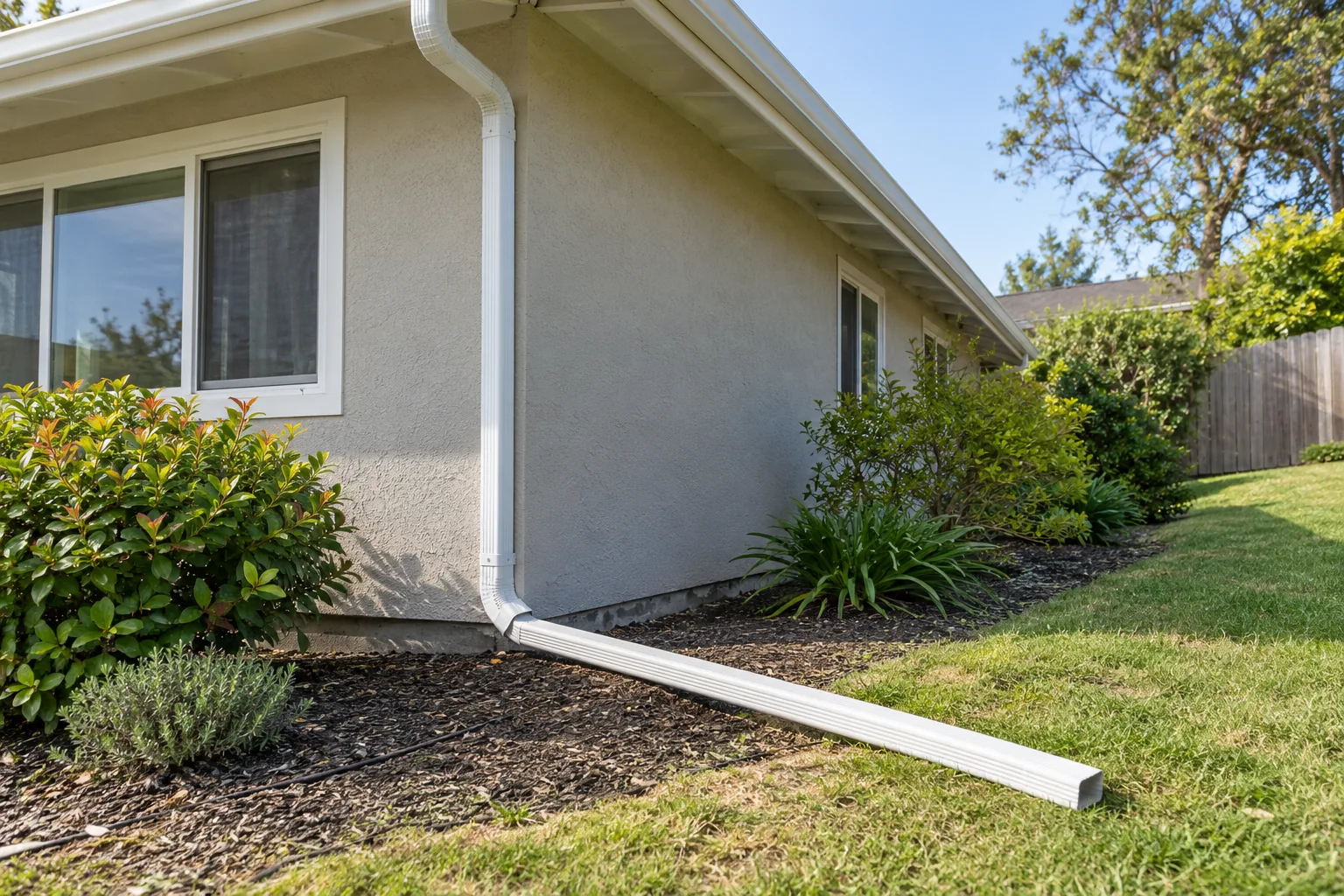
Fence posts, deck stairs and planter boxes touching soil are reportable conditions and termite routes. Set posts on concrete or trim wood clear before the visit.
Gather past reports and records
Collect earlier wood-destroying pest reports, completion notices and any repair invoices. A buyer’s inspector in a Fremont sale will ask what was found and fixed.
When to do it
Two to three months before listing or refinancing, after the winter rains have shown any leaks.
Maintenance guidance: Business and Professions Code § 8516 (wood-destroying pest reports)
Warning Signs
When to Ask About Pest Inspections in Fremont
We offer formal structural pest inspections and written WDO reports. Before a visit, identify the main building, any detached structures, and areas that need a key or permission to enter. Confirm which areas and report format the request will cover.
A purchase contract or lender asks for a formal termite or WDO report
A seller wants a written pest report before listing
A buyer has a general home inspection but also needs a separate WDO report
The sale includes a detached building that should be named in the inspection request
An attic, subarea, or tenant space needs access arranged before the visit
A prior WDO report lists an area that could not be inspected
How It Works
What to Expect from Pest Inspections in Fremont
Have the property address, your deadline and any buyer, lender or escrow requirements ready. A formal WDO inspection is a paid service with a written report.
Define the Property and Access
Tell us which buildings belong in the request and who can open locked or occupied areas. We will discuss the inspection scope before the visit.
Inspect the Agreed Areas
The inspection addresses wood-destroying organisms and related conditions in accessible areas within the agreed scope. Any access limits belong in the report.
Review the Written Report
Read each finding with its location and recommendation. Confirm the report format and delivery timing that your transaction needs before booking.
Discuss Any Follow-Up
If the report calls for treatment, repairs, or another inspection, ask what each step would involve. Any work and related document should be agreed to separately.
Why 101 Exterminators
Why Choose 101 Exterminators for Pest Inspections in Fremont
Written WDO Findings
The report records findings for the inspected areas. Ask about any format or follow-up document named by the buyer, lender, or contract.
A Clear Property Boundary
Name each unit and detached structure before scheduling. A report for one building should not be read as a report for another.
A Check on Timing
Share the date you need the report. We can then confirm current inspection and report availability before you book.
Common Questions
Pest Inspections FAQs for Fremont
What does a Section 1 finding do to a Fremont home sale?
It becomes something the parties have to resolve before closing, since a standard California purchase contract usually makes Section 1 clearance a condition of sale. Section 1 means active infestation or existing damage — live drywood galleries in an attic rafter, subterranean mud tubes on a stem wall, a fungus-damaged sill plate. Once that work is completed and re-inspected, the Notice of Work Completed is the document escrow is waiting on. Section 2 items are disclosed but rarely stop a file.
Does a Fremont house near the Bay get inspected differently than one in the hills?
It gets more time in a different place. On the flat west side toward Ardenwood and the Baylands, the shallow water table drives subterranean activity, so the sub-area, stem wall, piers, and slab edge take the most attention. On the east side above Mission Boulevard, drier slopes and older pre-1960 framing push drywood evidence into the attic, eaves, and exterior trim. Same statewide report format, different place to spend the hour.
Is a newer home near Fremont BART new enough to skip the WDO inspection?
No age makes it pointless, and we would not recommend skipping it. Newer construction along the BART corridor uses pressure-treated wood in soil-contact locations and better flashing details, which lowers risk considerably — but pre-treatment gaps, construction scrap left in a sub-area, and grading that later buried the weep screed all show up on newer homes. A baseline report also gives you a documented starting condition to measure against years later.
Local Pest Pressure
Common Pests We Treat in Fremont
Every area has its own pest profile shaped by climate, housing, and geography. These are the pests we see and treat most often in Fremont — tap any one to learn how to identify it and what treatment involves.
Pest Inspections · Fremont
Written Pest Inspections in Fremont
A formal WDO inspection is a paid service with a written report. Tell us your deadline and any transaction requirements when you contact us.