

Structural Pest Inspections
Pest Inspections in San Leandro, CA
101 Exterminators issues state-compliant WDO reports for pest inspections in San Leandro — Section 1 and Section 2, on the SPCB PR-2 form, accepted by California lenders and escrow companies. We are licensed under SPCB Lic. #9119 and have inspected in Alameda County. With most of the housing stock built between 1940 and 1965, San Leandro listings usually carry findings in one section or the other.
Home maintenance
How do you keep a San Leandro home ready for a clean termite report?
Fix moisture and wood-to-soil contact before an inspector writes them up. A California wood-destroying pest report records conditions likely to lead to infestation as well as live activity, and San Leandro’s post-war tracts and pre-war core have had decades to collect them. Repairs made a season before you list give the inspector less to record.
Fix leaks under sinks and tubs
Slow leaks soften subfloor wood and feed fungus, which the report notes. Check under bath and kitchen fixtures twice a year and repair drips when you find them. Original plumbing in homes from the 1940s to the 1960s deserves the closest look.
Keep the attic hatch clear
An inspector reports on what they can reach and lists the rest as inaccessible. Move stored boxes away from the attic hatch and keep access panels in closets and the garage easy to open.
Break wood-to-soil contact
Fence posts, deck stairs and siding that touch soil give subterranean termites a hidden path in. On the damp flats near Marina Boulevard and San Leandro Creek, raise or trim them, or set posts on concrete footings.
Repaint weathered trim
Bare, cracked wood invites drywood termites and decay. In the Bay-O-Vista and Halcyon-Foothill homes above the marine layer, sun dries out fascia, window sills and rafter tails faster; keep them painted.
Keep records of past work
Store any earlier reports, treatment invoices and fumigation paperwork together. A new inspector can compare them with what they find, and buyers in escrow will ask for them.
When to do it
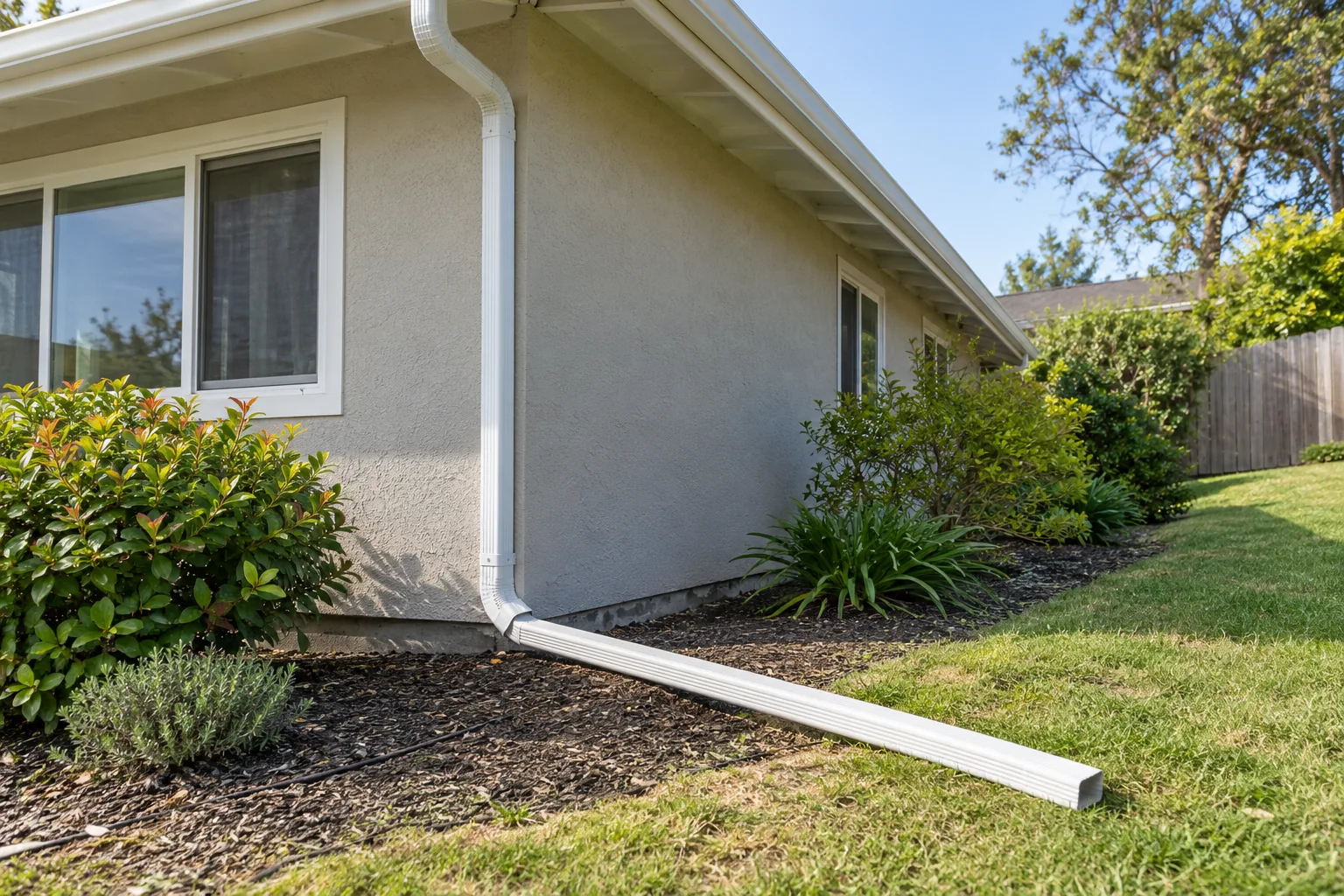
Start repairs a season before listing, and clear gutters and pull back soil before the winter rain arrives.
Maintenance guidance: Business and Professions Code § 8516 (wood-destroying pest reports)
Warning Signs
When to Ask About Pest Inspections in San Leandro
We offer formal structural pest inspections and written WDO reports. Before a visit, identify the main building, any detached structures, and areas that need a key or permission to enter. Confirm which areas and report format the request will cover.
A purchase contract or lender asks for a formal termite or WDO report
A seller wants a written pest report before listing
A buyer has a general home inspection but also needs a separate WDO report
The sale includes a detached building that should be named in the inspection request
An attic, subarea, or tenant space needs access arranged before the visit
A prior WDO report lists an area that could not be inspected
How It Works
What to Expect from Pest Inspections in San Leandro
Have the property address, your deadline and any buyer, lender or escrow requirements ready. A formal WDO inspection is a paid service with a written report.
Define the Property and Access
Tell us which buildings belong in the request and who can open locked or occupied areas. We will discuss the inspection scope before the visit.
Inspect the Agreed Areas
The inspection addresses wood-destroying organisms and related conditions in accessible areas within the agreed scope. Any access limits belong in the report.
Review the Written Report
Read each finding with its location and recommendation. Confirm the report format and delivery timing that your transaction needs before booking.
Discuss Any Follow-Up
If the report calls for treatment, repairs, or another inspection, ask what each step would involve. Any work and related document should be agreed to separately.
Why 101 Exterminators
Why Choose 101 Exterminators for Pest Inspections in San Leandro
Written WDO Findings
The report records findings for the inspected areas. Ask about any format or follow-up document named by the buyer, lender, or contract.
A Clear Property Boundary
Name each unit and detached structure before scheduling. A report for one building should not be read as a report for another.
A Check on Timing
Share the date you need the report. We can then confirm current inspection and report availability before you book.
Common Questions
Pest Inspections FAQs for San Leandro
What does a Section 1 finding on a San Leandro WDO report mean for our escrow?
Section 1 means active infestation or existing damage, and it is the part most Alameda County purchase contracts require to be cleared before closing. The report lists each item with its location and the corrective work needed. Once that work is completed — by us or by another licensed operator — a Notice of Work Completed is issued, and that is the document escrow and the lender are waiting on. Section 2 items are conditions likely to lead to infestation and are usually negotiated rather than required.
We are selling a 1950s house in Washington Manor — should we inspect before listing?
A pre-listing inspection puts the timeline in your hands instead of the buyer's. On a San Leandro tract house of that era the findings are fairly predictable — drywood evidence in eaves and rafter tails, earth-to-wood contact at a planter or fence return, sub-area debris — and knowing about them before an offer means the work gets scheduled properly instead of squeezed into the tail of a contingency period. It also removes the mid-escrow surprise that costs deals.
Does a San Leandro condo or townhome need a different kind of WDO inspection?
The report covers what you exclusively control, which for a condo is normally the unit interior plus any patio, deck or storage area assigned to it. Common-area structures — roofs, exterior walls, shared framing — generally fall under the HOA's own inspection program, and we coordinate with property management when a multi-unit inspection is needed. San Leandro has a lot of attached housing around Heron Bay, Marina Faire and Bay Fair, so this comes up here regularly.
Local Pest Pressure
Common Pests We Treat in San Leandro
Every area has its own pest profile shaped by climate, housing, and geography. These are the pests we see and treat most often in San Leandro — tap any one to learn how to identify it and what treatment involves.
Pest Inspections · San Leandro
Written Pest Inspections in San Leandro
A formal WDO inspection is a paid service with a written report. Tell us your deadline and any transaction requirements when you contact us.