

Structure Fumigation
Fumigation in San Leandro, CA
101 Exterminators performs full-structure fumigation in San Leandro using Vikane (sulfuryl fluoride), under California license SPCB Lic. #9119 and a California-licensed business. Fumigation is for drywood termite infestations that have spread past what a local treatment can reach — several members, several rooms, or galleries sealed inside walls. On a 1950s San Leandro ranch with 65 years of exposure, that pattern is not rare.
Home maintenance
How do you keep drywood termites from returning to a San Leandro home after fumigation?
Seal and watch the wood the tent just cleared. Fumigation kills the drywood termites inside the structure on the day it runs, but it leaves nothing behind to stop a new swarm from flying into the same eaves next fall. In San Leandro that exposure sits in the wide overhangs of the post-war tracts and the old wood of the pre-war core.
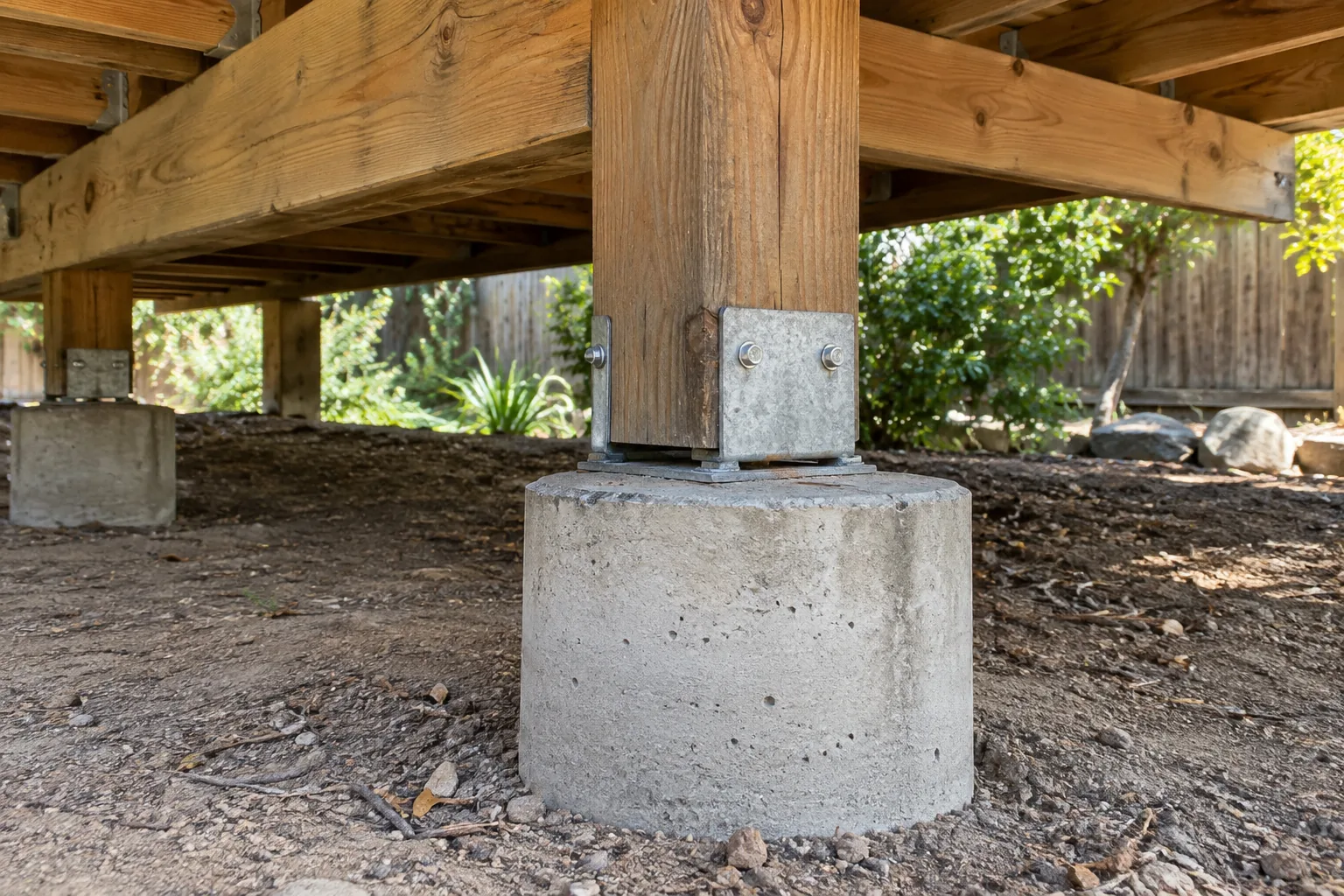
Repaint and caulk after the tent
Drywood swarmers enter through cracks, joints and bare wood. In the months after fumigation, scrape and repaint weathered fascia, rafter tails and window trim, and fill open joints so the next swarm lands on sealed surfaces.
Replace torn vent screens
Check attic, gable and eave vent screens for tears and for screens painted over so many times they no longer fit. Replace them with intact fine mesh, which keeps winged termites out of the attic framing.
Mark old damage so new signs stand out
Pellets from old galleries can keep dropping after a fumigation. Vacuum the existing piles, fill kick-out holes with wood filler and note where they were, so a fresh pile in the same spot next year tells you something new.
Walk the eaves each swarm season
San Leandro’s drywood swarms run August through October. Once in that window, check the eave line, the attic hatch area and window sills for new pellets or small discarded wings.
Inspect used wood furniture before it comes in
Drywood termites also travel inside furniture and framed pieces. Before a secondhand dresser or antique comes into the fumigated house, look at its joints and underside for pellets.
When to do it
Paint and screen repairs in the months after the tent comes down; a pellet check each August to October swarm season.
Maintenance guidance: UC IPM, Drywood termites
Warning Signs
When to Ask About Fumigation in San Leandro
We manage the entire fumigation process: pre-fumigation inspection and documentation, structure tenting with certified fumigation tarps, introduction of Vikane fumigant to specified concentration, aeration protocol, post-fumigation clearance testing, and coordination with a certified fumigation clearance company before you return. We also provide bagging requirements and preparation guidance for food, medications, and plants.
Multiple locations of frass (termite pellets) throughout the structure — not just one area
Evidence of drywood termites in structural framing, not just surface wood
Previous localized treatments that have not resolved the infestation
Inspector-identified infestation in inaccessible areas (wall cavities, sealed areas)
WDO report showing extensive Section 1 conditions throughout the structure
Visible winged termites (swarmers) emerging from multiple locations
How It Works
What to Expect from Fumigation in San Leandro
If you already have a pest inspection report, have it ready when you call. The findings and access to the structure help determine whether fumigation is appropriate.
Pre-Fumigation Inspection
We document all entry points, confirm the infestation scope, measure the structure for gas calculation, and review the preparation checklist with you at least 3 days before the fumigation date.
Structure Tenting
Our crew tents the entire structure with specialized fumigation tarps, sealed at the foundation to prevent gas escape. Neighbors are notified as required, and warning signs are posted.
Gas Introduction & Monitoring
Vikane is introduced to calculated concentration and held for the required exposure time. Readings are monitored throughout the process to confirm effective dosage.
Aeration & Clearance
The structure is thoroughly aerated until Vikane levels are below the safe entry threshold. A certified third-party inspector confirms clearance levels before we authorize re-entry.
Why 101 Exterminators
Why Choose 101 Exterminators for Fumigation in San Leandro
Complete Structure Coverage
Gas fumigant penetrates every void, cavity, and piece of wood in the structure — including areas impossible to reach with liquid or foam treatments.
Vikane — Industry Gold Standard
Vikane (sulfuryl fluoride) is the most widely used and thoroughly studied structural fumigant. It leaves no residual after aeration — the structure is safe to re-enter after clearance.
Third-Party Clearance Testing
Re-entry is only authorized after independent clearance testing confirms gas levels are below threshold. No guesswork on when your home is safe.
Real Estate Compliant
Fumigation clears all Section 1 termite conditions for real estate transactions. We issue the required Completion Notice accepted by lenders and escrow companies.
Common Questions
Fumigation FAQs for San Leandro
How does the schedule work when we vacate our San Leandro house for a fumigation?
The household stays out for the whole sequence, and the sequence runs across more than one night. Tenting and gas introduction come first, then a hold period at concentration, then aeration and clearance testing before anyone is authorized back in. We give you the dates at booking so you can arrange somewhere to stay. On the narrow hillside lots off Bay-O-Vista and Sheffield Village we also confirm street parking and equipment access ahead of the crew, because that is what usually moves a start time.
Can a San Leandro duplex or townhome be fumigated if we share a wall?
Yes, but the tent has to cover the entire attached structure, so the neighboring unit has to prepare and vacate as well. Attached housing is common here — the newer Heron Bay and Marina Faire developments, and the older two- and three-unit properties near downtown. Coordination between owners is the slow part, not the fumigation itself. We inspect every attached unit first so everyone knows what the tent will cover before dates get set.
Do we have to tent, or can a spot treatment handle drywood termites in San Leandro?
It depends on how many separate colonies there are and whether we can physically reach them. Drywood termites establish as isolated colonies inside individual pieces of wood, so a house with two accessible infested members is a local-treatment job and a house with evidence in several rooms usually is not. We inspect and tell you in writing which one you have. If it is a close call, we say that too.
Local Pest Pressure
Common Pests We Treat in San Leandro
Every area has its own pest profile shaped by climate, housing, and geography. These are the pests we see and treat most often in San Leandro — tap any one to learn how to identify it and what treatment involves.
Fumigation · San Leandro
Schedule Service in San Leandro
Tell us what you have found and where. For a sale or refinance, request a separate paid WDO inspection.