
Structural Pest Control
Termite Control in San Leandro, CA
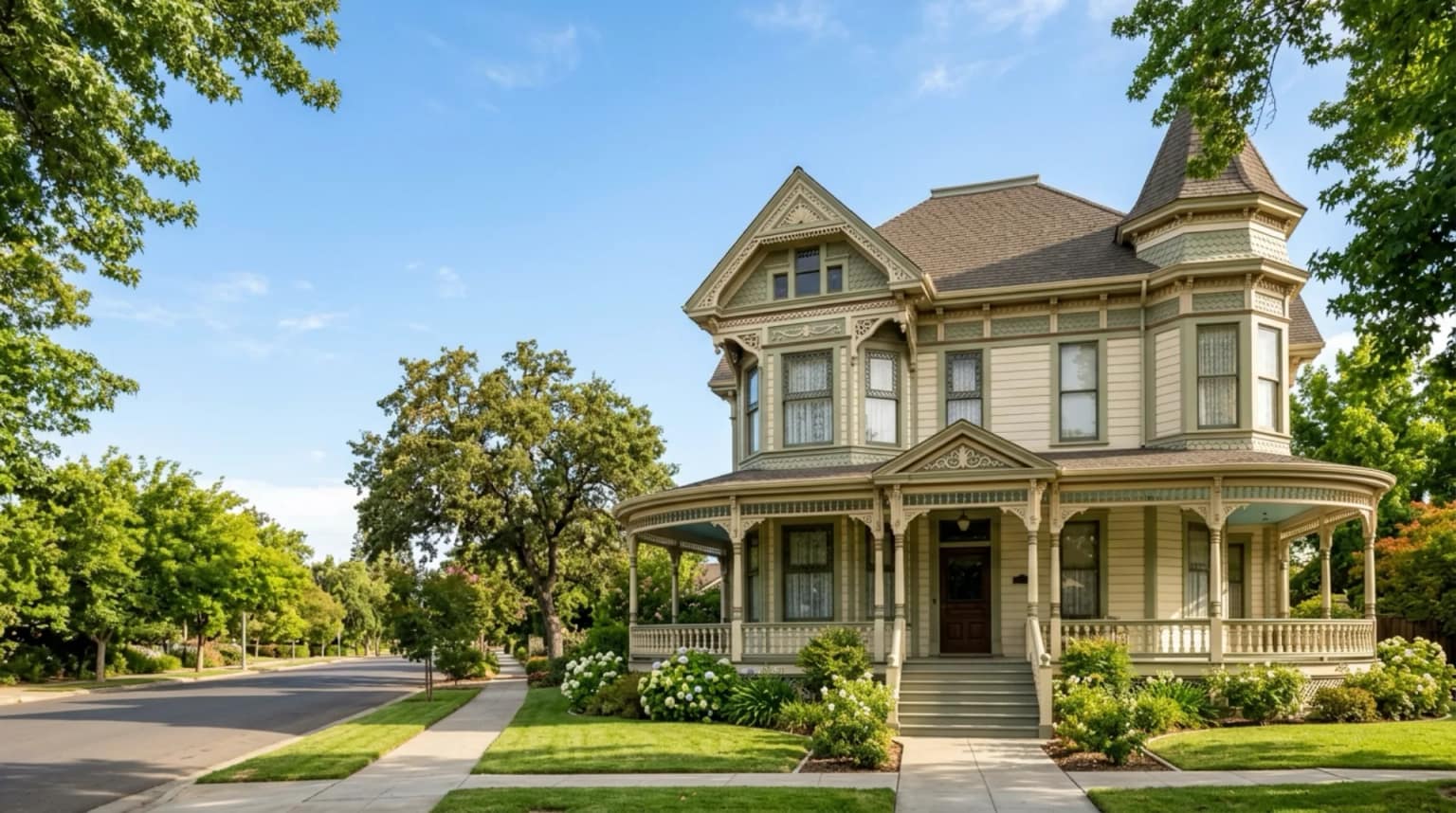
101 Exterminators does termite control in San Leandro as a California-licensed structural pest company — SPCB Lic. #9119, working since 2005. Most of this city went up between 1940 and 1965, and the block decides the pest. Raised-foundation homes down near San Leandro Creek get subterranean termites. The warmer foothill lots above Estudillo Avenue get drywood. We inspect first, then report by section.
Warning Signs
Signs You Need Termites Service in San Leandro
We perform thorough visual inspections of all accessible structural wood, attic spaces, crawl spaces, fencing, and exterior wood. Our reports clearly distinguish Section 1 conditions (active infestations requiring immediate treatment) from Section 2 conditions (conditions that are likely to lead to infestation). We issue California-required WDO reports for real estate transactions and carry the licensing required by the Structural Pest Control Board.
Hollow-sounding wood when tapped — galleries eaten from inside
Frass (fine sawdust-like pellets) near baseboards or windowsills — drywood termite excrement
Discarded wings near doors or windows in spring — swarmers leaving to start new colonies
Blistering or bubbling paint on wood surfaces — subterranean tunnel activity underneath
Mud tubes running up foundation walls or piers — subterranean termite foraging trails
Soft or sagging flooring near walls — severe structural damage to subfloor joists
Small holes in wood with discoloration around the edges
Real estate transaction requiring a WDO inspection and clearance report
How It Works
Our Termites Process in San Leandro
Every job follows the same methodical approach — no shortcuts, no guesswork. Here is what to expect when you work with us in San Leandro.
Comprehensive Inspection
Our licensed inspector examines all accessible wood, crawl spaces, attic framing, exterior siding, eaves, and fencing. We document every finding with photos and written notes.
WDO Report & Recommendations
You receive a state-compliant Structural Pest Control Report distinguishing active infestations, wood damage, and conducive conditions. No confusing fine print.
Targeted Treatment Plan
We recommend the most effective and least invasive treatment — whether that's localized spot treatment, fumigation for widespread drywood infestation, or subterranean bait systems.
Treatment & Clearance
We execute the treatment per plan, return for any follow-up needed, and issue a Completion Notice clearing the structure once all Section 1 items are resolved.
Why 101 Exterminators
Termites You Can Count On in San Leandro
State-Licensed Inspectors
Our inspectors hold California Structural Pest Control licenses and are compliant with SPCB regulations for both inspections and treatments.
WDO Reports for Real Estate
We issue the Structural Pest Control Reports required for California home sales, refinancing, and VA/FHA loans — accepted by all lenders and escrow companies.
Both Termite Species Covered
Central California has both drywood and subterranean termites. We identify which species is present and apply the treatment protocol specific to each.
Free Re-Inspection Policy
If signs return within our warranty period, we come back at no charge. Our work is backed, not just guaranteed on paper.
Common Questions
Termite Control FAQs for San Leandro
Does it matter if my San Leandro house is on a slab or over a crawl space?
Yes — it changes which termite you are likely to have and how an exterminator finds it. Raised-foundation homes show subterranean mud tubes on pier blocks and stem walls, so the sub-area is the first place we look. Slab homes hide that route, so subterranean activity turns up at the garage cold joint, at plumbing penetrations, or as damage inside a wall with no exterior sign at all. San Leandro has plenty of both, sometimes on the same block.
I found small wings on a windowsill in my Bay-O-Vista home — are those termites?
Discarded wings on a sill or in a light fixture usually mean a swarm, and the timing tells you which kind. Western drywood termites fly on warm evenings from August into October, which is why a Bay-O-Vista windowsill above the fog line tends to collect them late in the year. Subterranean swarms follow the winter rains instead. Save a few wings in a bag, because identification changes the treatment completely.
Are the pre-war houses around Old San Leandro at higher termite risk than the post-war tracts?
They carry a different risk, not automatically a higher one. The Craftsman, Italianate and Colonial Revival homes in the older core sit on raised foundations with real crawl spaces, so we find subterranean tubes and sub-area decay there more often. The 1950s and 1960s tracts across Washington Manor and Floresta Gardens have wide eaves, exposed rafter tails and more than 60 years of drywood exposure. Both need the same inspection. The findings just land in different sections.
Local Pest Pressure
Common Pests We Treat in San Leandro
Every area has its own pest profile shaped by climate, housing, and geography. These are the pests we see and treat most often in San Leandro — tap any one to learn how to identify it and what treatment involves.
Termite Control · San Leandro
Free Pest Evaluation in San Leandro
CA licensed and insured. Written estimate before any work begins. Urgent situations in San Leandro are prioritized.