Published by
101 Exterminators Inc.
A localized drywood termite treatment depends on finding the infested wood. That sounds simple until pellets appear below a finished wall, a ceiling cannot be reached, or the insects have moved inside a beam. Inspection tools can add evidence, but a negative view does not prove that every hidden board is clear. Ask the inspector to connect each proposed treatment area to the signs found and to state what could not be checked.
Start by identifying the termite
Drywood termites live within wood. Subterranean termites usually maintain a soil connection and may build shelter tubes. Dampwood termites favor very moist wood. Their signs and treatment scopes differ, so a pile of pellets or discarded wings should be identified before a treatment method is priced. Photograph where the sign appeared and save a specimen if practical. UC IPM notes that drywood termite pellets can identify the insect but cannot, by themselves, establish current activity or the extent of infestation. Do not open a wall or enter an unsafe crawl space to investigate on your own.
Read the termite inspection resourceSources: UC IPM drywood termite guidance · UC IPM termite identification
What a visual inspection can cover
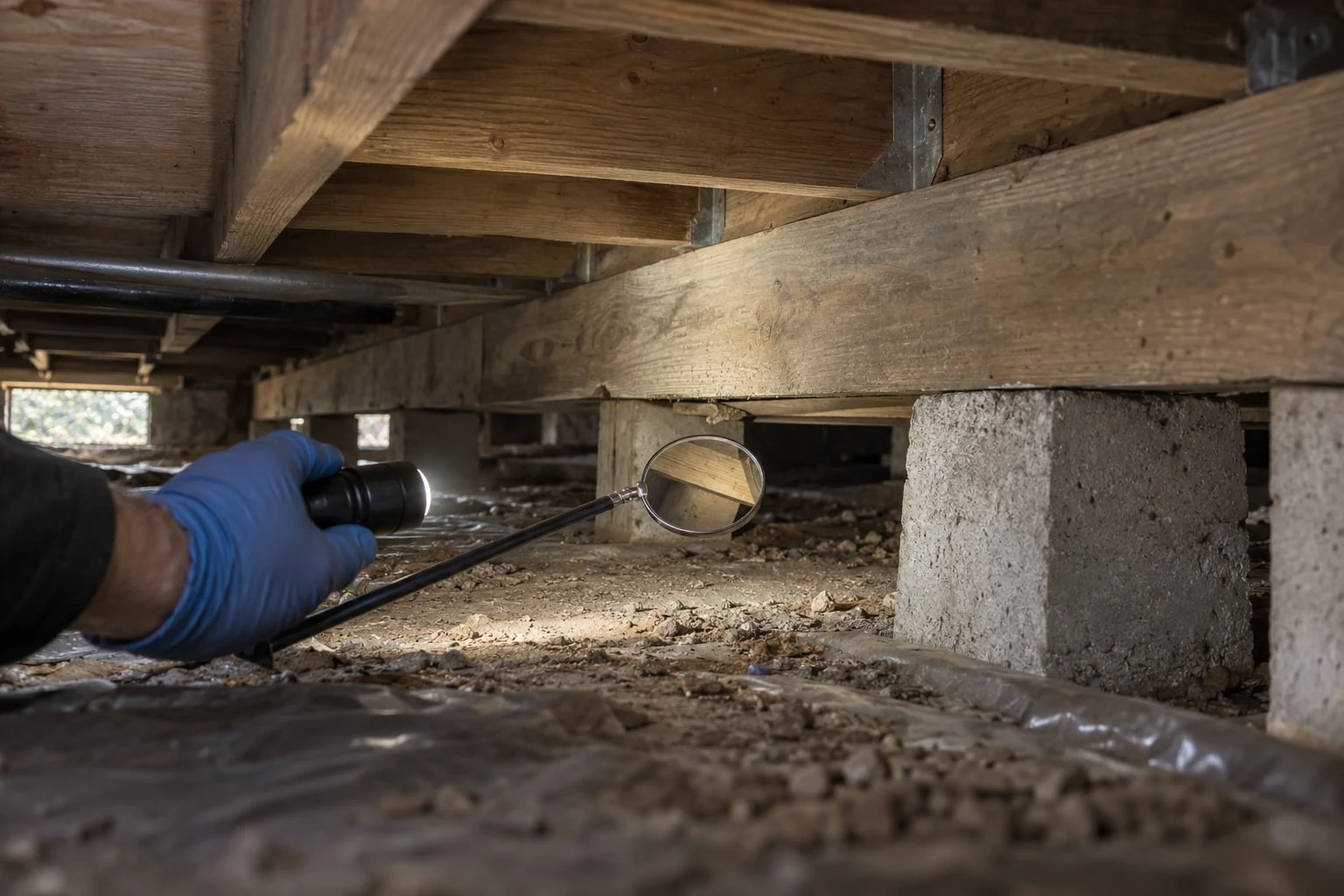
A structural inspection examines the areas the inspector can see and reach. It may locate wings, pellets, kickout holes, damaged wood, or shelter tubes. Finished walls, insulation, stored items, locked spaces, and unsafe areas create limits. UC IPM describes visual examination as the mainstay for drywood termites while warning that concealed colonies are difficult to detect. Ask for a floor plan or written list that marks the evidence and areas out of reach. A quiet visible surface beside a pellet pile does not make the entire wall clear.
Sources: UC IPM drywood termite guidance
What the borescope experiment tested
Sutherland and colleagues tested a small camera used to look into walls for drywood termites. In lab and mock field tests, overall accuracy was 80.6%. It varied by user and site. The lowest scores were in insulated exterior wall voids. A scope can help view one cavity. This small study does not show that a clear view rules out termites in a real house. Nor did it test treatments. Ask what the camera saw, how it reached that spot, and what stayed out of view.
Sources: Sutherland et al. (2014)
Activity varies with conditions
A study of western drywood termites in five logs inside a test structure found greater activity in warmer summer conditions and a late-afternoon pattern. It did not measure how often a home inspection misses a colony. A low reading from an acoustic or other activity-sensitive tool on one day should therefore be interpreted with the tool’s limits and the other evidence. Ask what a positive or negative result would change in the proposed scope. No device replaces species identification, access notes, and a reasoned inspection report.
Sources: Lewis et al. (2011) · UC IPM drywood termite guidance
Why localized work depends on detection
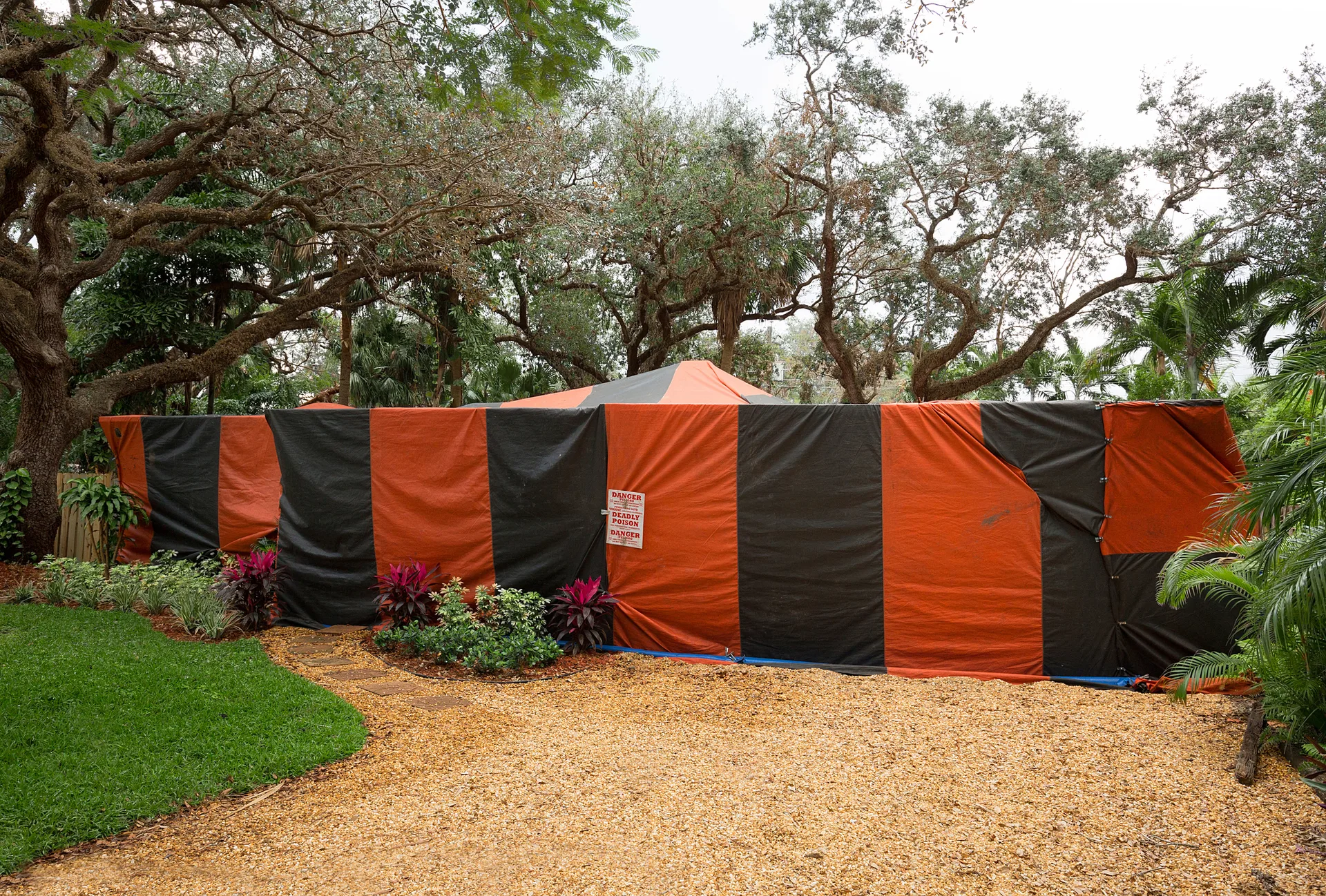
UC IPM describes two types of work. A spot treatment covers one board or a small group of boards. A whole-building approach aims to reach hidden colonies within the treated space. Spot work may fit when the colony has been found and can be reached. The key unknown is whether more colonies lie behind finished walls or in areas left unchecked. A good spot treatment does not fix damaged wood or stop new termites from arriving later. Ask how the target was found and which wood is still in doubt.
Compare written treatment scopesSources: UC IPM drywood termite guidance
Write the unknowns beside the bid
Before comparing prices, ask for the species, signs, affected rooms or members, areas not inspected, proposed method, included wood, preparation, any structural repair, and follow-up terms. For a condo or shared wall, identify which adjoining spaces were accessible and who can arrange more access. If the plan relies on a borescope or other device, request the exact location and what the reading means. That record lets two bidders price the same known condition while showing where their assumptions differ.
See the shared-wall inspection articleReinspect when evidence changes
Keep photos and dates for fresh pellets, wings, or new damage. UC IPM suggests cleaning old pellets and checking whether new pellets appear, while noting that vibration can dislodge old material. A new finding needs context, not an automatic claim that a last treatment failed. Ask when the company will revisit and what signs require a call. If repair work exposes hidden wood, have the finding documented before covering it again.
Compare two plausible inspection outcomes
Suppose pellets fall from an exposed beam. The inspector finds live drywood termites inside it. A spot treatment plan can name that beam. Now suppose pellets fall below a finished ceiling, with no way to reach the wood above. The plan must state what it assumes about hidden boards. Neither case makes one treatment right by default. Ask what access would help and whether an opening needs a carpenter or owner approval. The report should name what was seen and what was inferred, so the bid does not claim more than the inspection showed.
Plan for findings during repair
A repair can expose wood that was not visible during the inspection. Ask the contractor and pest inspector how new pellets, galleries, or live insects will be photographed and identified before the area is covered again. In shared-wall property, arrange access and notice for adjoining spaces before a treatment scope assumes they are clear. The follow-up record should include treated members, any work certificate, access limits, and the signs that would trigger a return inspection. A certificate documents the work named on it; it does not describe unseen wood.
Sources: UC IPM drywood termite guidance
Related Resources
Frequently Asked Questions
Do drywood termite pellets prove an active colony?
No. Pellets support identification, but alone they do not establish current activity or the extent of a colony.
Does a borescope rule out termites behind a wall?
No. It samples the viewed cavity. In a mock detection study, accuracy varied by setting and operator.
Is a spot treatment always inadequate?
No. It can fit a confirmed, accessible colony. Ask what was found and reached, and which wood stayed out of reach.
Sources
- Sutherland AM, Tabuchi RL, Moore S, Lewis VR. Borescope-Aided Inspection May Be Useful in Some Drywood Termite Detection Situations. Forest Products Journal. 2014;64(7–8):304–309. doi:10.13073/FPJ-D-13-00087. · Forest Products Journal
- Lewis V, Leighton S, Tabuchi R, Haverty M. Seasonal and Daily Patterns in Activity of the Western Drywood Termite, Incisitermes minor. Insects. 2011;2(4):555–563. doi:10.3390/insects2040555. · Insects
- Drywood Termites: Pest Notes, updated August 2014. · University of California Statewide Integrated Pest Management Program
- Subterranean and Other Termites: Pest Notes. · University of California Statewide Integrated Pest Management Program
Publisher
101 Exterminators Inc.
Based in Salinas, we serve Monterey, Santa Cruz, San Benito, Santa Clara, San Mateo, San Francisco, and Alameda counties. This article offers general guidance; an inspection is needed for property-specific findings.
About the company