Published by
101 Exterminators Inc.
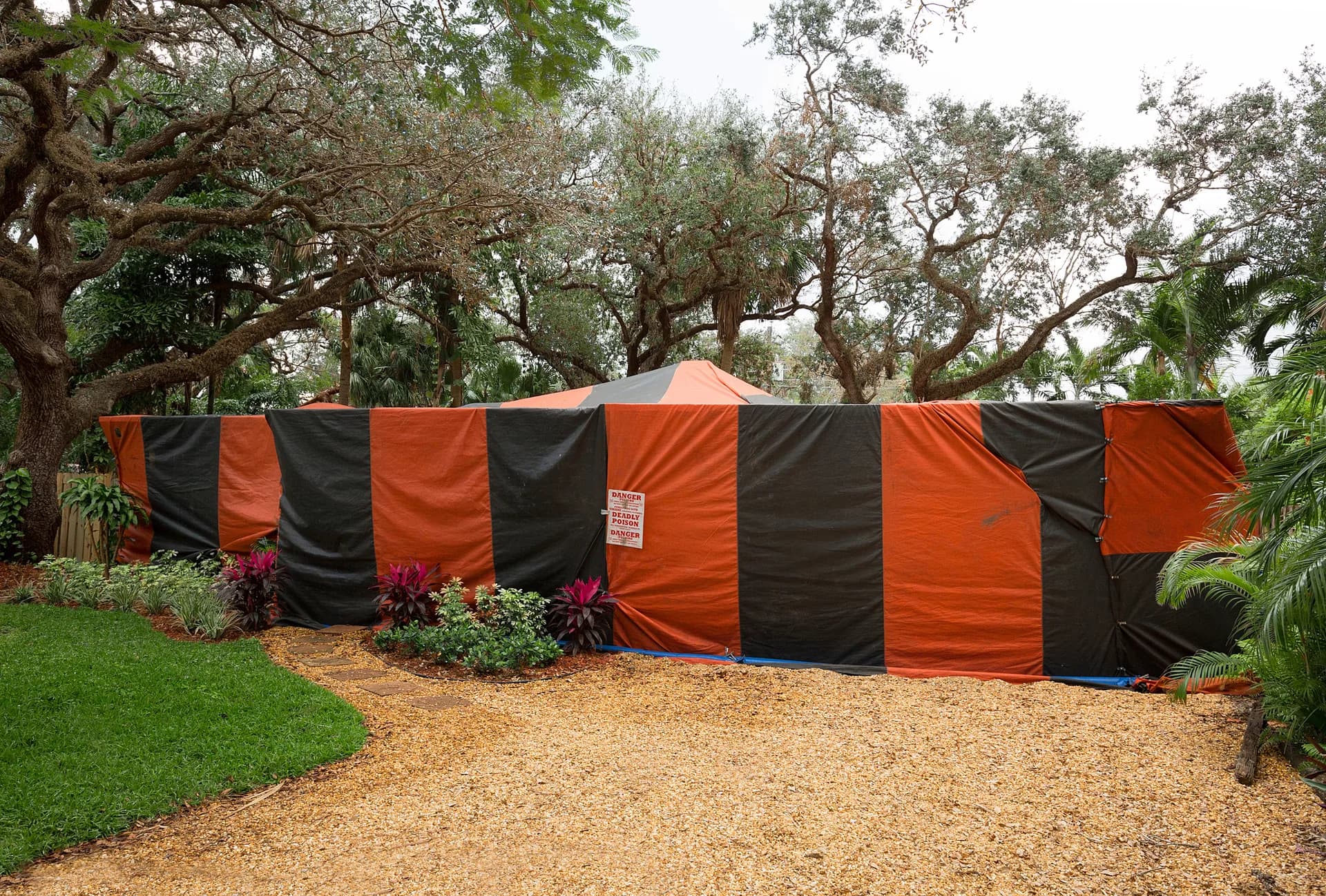
One drywood termite proposal may call for treatment at a window frame. Another may call for the whole structure. Price alone cannot settle the choice. A spot method treats wood the inspector has found. Fumigation aims to reach hidden drywood colonies inside the tented structure. Both plans should show why the inspector chose that scope and what remains unknown.
First confirm what the inspector found
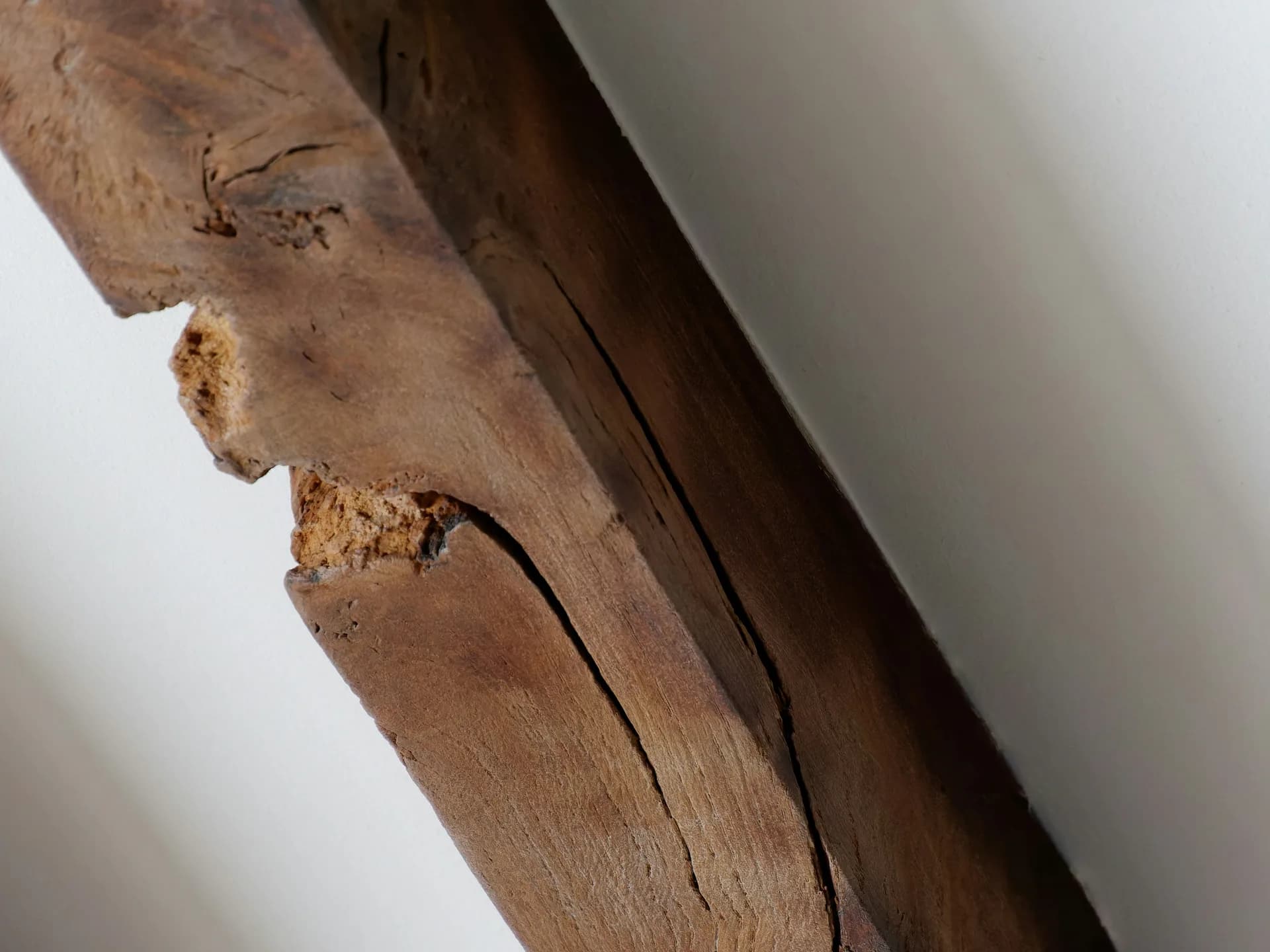
Ask which termite was found, where each sign sits, and what the wood looks like. Request photos or a report you can follow. Pellets may point to a nest inside wood, but UC says they do not prove the nest is active or show its full reach. If the signs are unclear, ask what a closer look could reveal.
Ask what was inaccessible
Walls, roofs, cabinets, stored goods, and shared spaces can hide colonies. Ask which areas the inspector could not see and how that gap affects the plan. Signs on one board do not prove the colony stops there. A plan for the whole building should still show why such wide coverage is needed.
Questions for a localized proposal
Which exact wood members will be treated? How were the colony locations confirmed? How will the material reach them? Which adjacent or concealed areas remain outside the scope? What follow-up inspection or treatment is included if signs recur? UC says spot work depends on finding the colony and reaching it. Hidden colonies can be missed. Get the limits in writing instead of choosing by product name.
Questions for a whole-structure proposal
Which structures and attached areas are included? What preparation is required for people, pets, food, and medicine? Who coordinates access, especially in a condo or shared-wall building? How will clearance and re-entry be documented? Does the quote include repair of damaged wood? Fumigation treats the included structure but does not repair wood or provide lasting protection against future entry.
Do not substitute a product slogan for evidence
“Natural,” “orange oil,” and “no tent” describe features, not the reach of a treatment. UC cites studies that question the effectiveness of d-limonene, the active ingredient in some orange-oil products. That product question is separate from the risk of missing a hidden colony with any spot method. Ask what evidence supports the product and how the inspector located every area it would treat. Do not attempt termite pesticide treatment yourself.
Compare cost and disruption on the same page
Place inspection, preparation, time away, access work, structural repair, follow-up, and exclusions beside each price. A lower initial quote may cover fewer areas. A wider job may add lodging costs and time spent arranging access. Those costs may sit outside the quote. Our California fumigation cost article explains how to read those line items.
Get the decision in writing
Ask the licensed company for its recommendation and the reason it prefers that scope for this building. If you choose spot work, write down which areas no one saw or treated and what signs should prompt another visit. Read any promise of follow-up in the written agreement.
Request an inspection and treatment proposalRelated Resources
Frequently Asked Questions
Can a spot treatment reach every drywood termite colony?
Not reliably. It can work where a colony is correctly located and reached, but concealed colonies may be missed.
Does fumigation stop future drywood termites?
It treats the included structure at the time of service; it does not provide lasting protection or repair damaged wood.
Is orange oil equivalent to fumigation?
No. Orange oil is used for spot work, which depends on finding and reaching the colony. Ask what wood it would cover and what could remain hidden.
Sources
- Drywood termite whole-structure and localized treatment evidence · UC Statewide IPM Program
- California structural pest reporting law · California Legislature
Publisher
101 Exterminators Inc.
Based in Salinas, we serve Monterey, Santa Cruz, San Benito, Santa Clara, San Mateo, San Francisco, and Alameda counties. This article offers general guidance; an inspection is needed for property-specific findings.
About the company