101 Exterminators
Service Areas
Pests
Articles
Guides
Termite inspection and identification in a Monterey County home — drywood vs subterranean
Identification8 min read·Updated April 29, 2026

Drywood vs. Subterranean Termites: Which Does Monterey County Have?

Monterey County has both — and they require completely different treatments. Misidentifying the species is the most common and expensive mistake homeowners make.

101

101 Exterminators Inc.

CA Licensed Structural Pest Control · License #PR8216

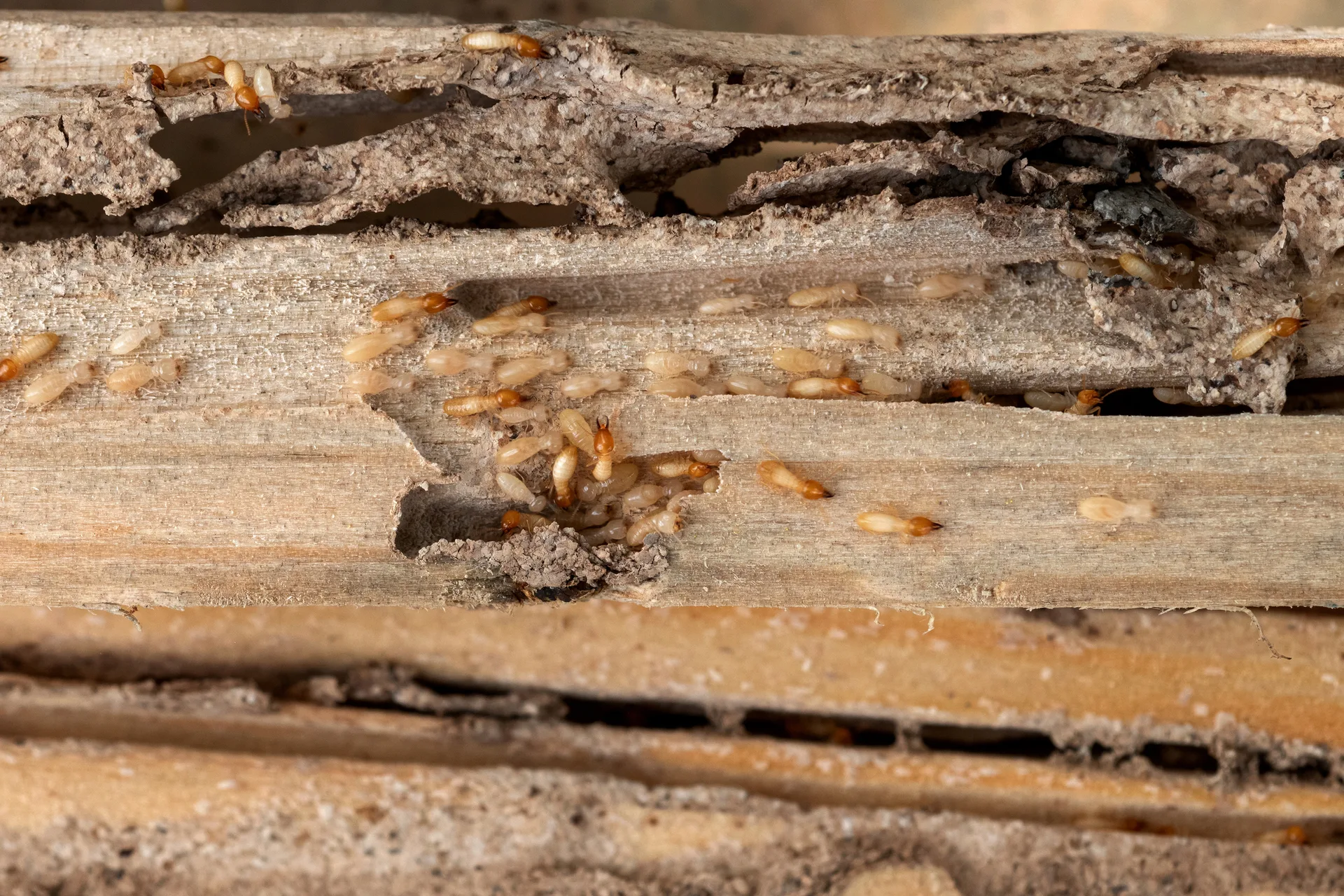
Monterey County has three species of structural termites: drywood, subterranean, and dampwood. Each lives differently, damages differently, and requires a different treatment. A fumigation quote for a drywood infestation is the wrong response to a subterranean problem — and vice versa. The single most important step before any treatment is correct species identification.

The Short Answer: Monterey County Has All Three

Unlike most inland California counties where subterranean termites dominate, coastal Monterey County supports all three structural termite species simultaneously. The coastal fog belt, the prevalence of older wood-frame construction, and the mild year-round temperatures create conditions that favor each species in different parts of the county:

  • Drywood termitesdominant in coastal communities: Monterey city, Pacific Grove, Carmel, Carmel Valley, and older Salinas neighborhoods. Any wood-frame home in these areas should be considered at risk.
  • Subterranean termitespresent throughout the county, especially in areas with moist soil: the Salinas Valley floor, areas with irrigation, homes with poor drainage or wood-to-soil contact.
  • Dampwood termitesfound in moisture-damaged or high-humidity structures throughout the coastal zone. Common in Santa Cruz County but present in Monterey County as well, particularly in structures with active water damage or in redwood-framed buildings.

Drywood Termites: What to Look For

Drywood termites (Incisitermes minor and related species) live entirely within dry wood — no soil contact, no moisture required. They're the dominant structural pest in coastal California for good reason: the old-growth fir and redwood framing in pre-1960 coastal homes provides ideal food and nesting conditions.

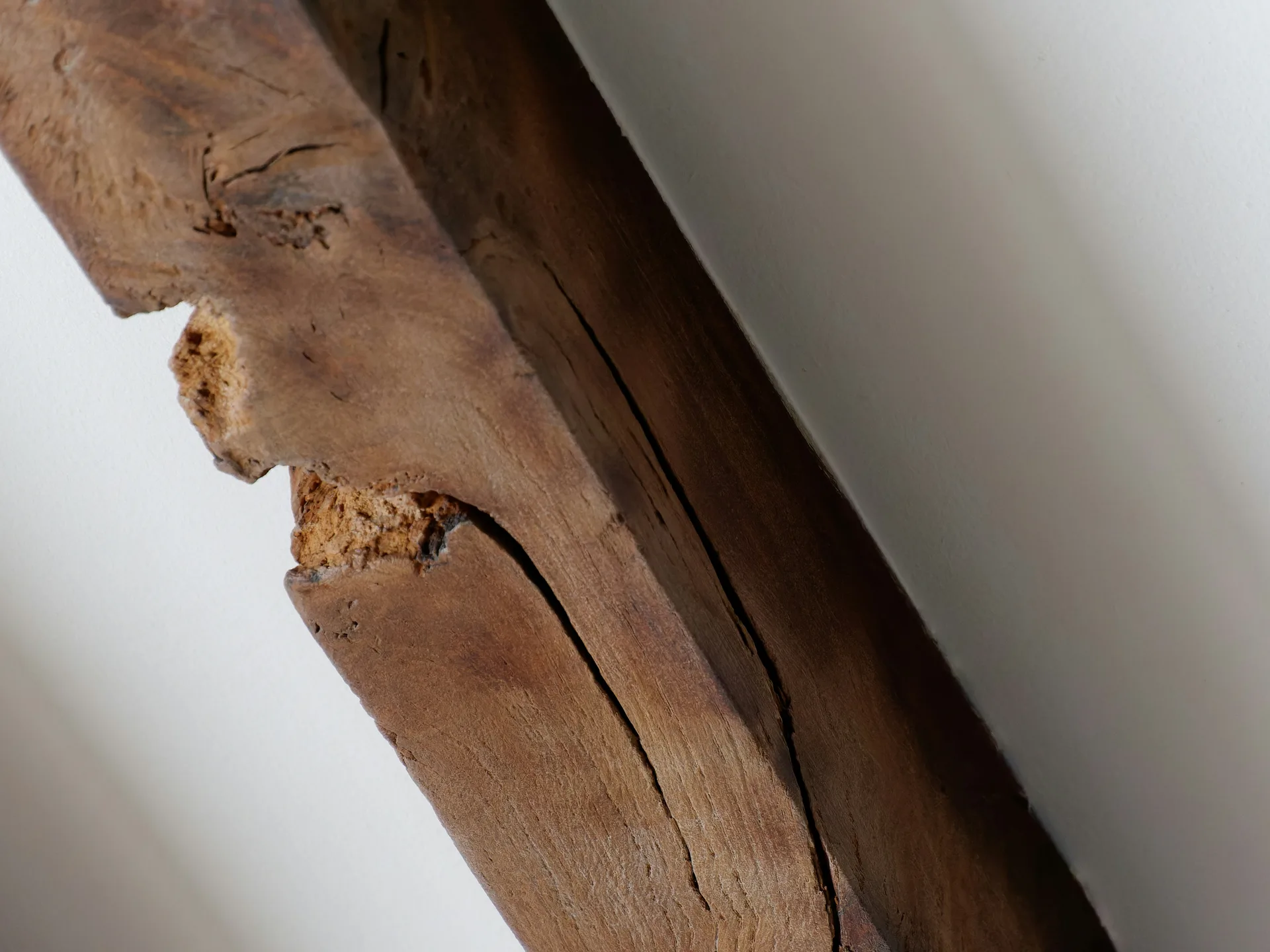
  • Key sign: Fecal pellets. Drywood termites eject their feces through kick-out holes in infested wood. Look for tiny (1mm), 6-sided, wood-colored pellets accumulating on horizontal surfaces below infested woodwindowsills, attic floors, shelving.
  • Key sign: Kick-out holes. Small, perfectly round holes (about 1mm diameter) in wood surfaces, often with a thin membrane that breaks open.
  • Damage pattern: Smooth galleries cut across the wood grain. Cross-sections of infested wood look like a series of parallel tunnels with clean walls.
  • Location: Attic framing, window and door frames, fascia boards, and any exposed wood on the structure's exterior. Rarely in the crawl space (too much moisture).
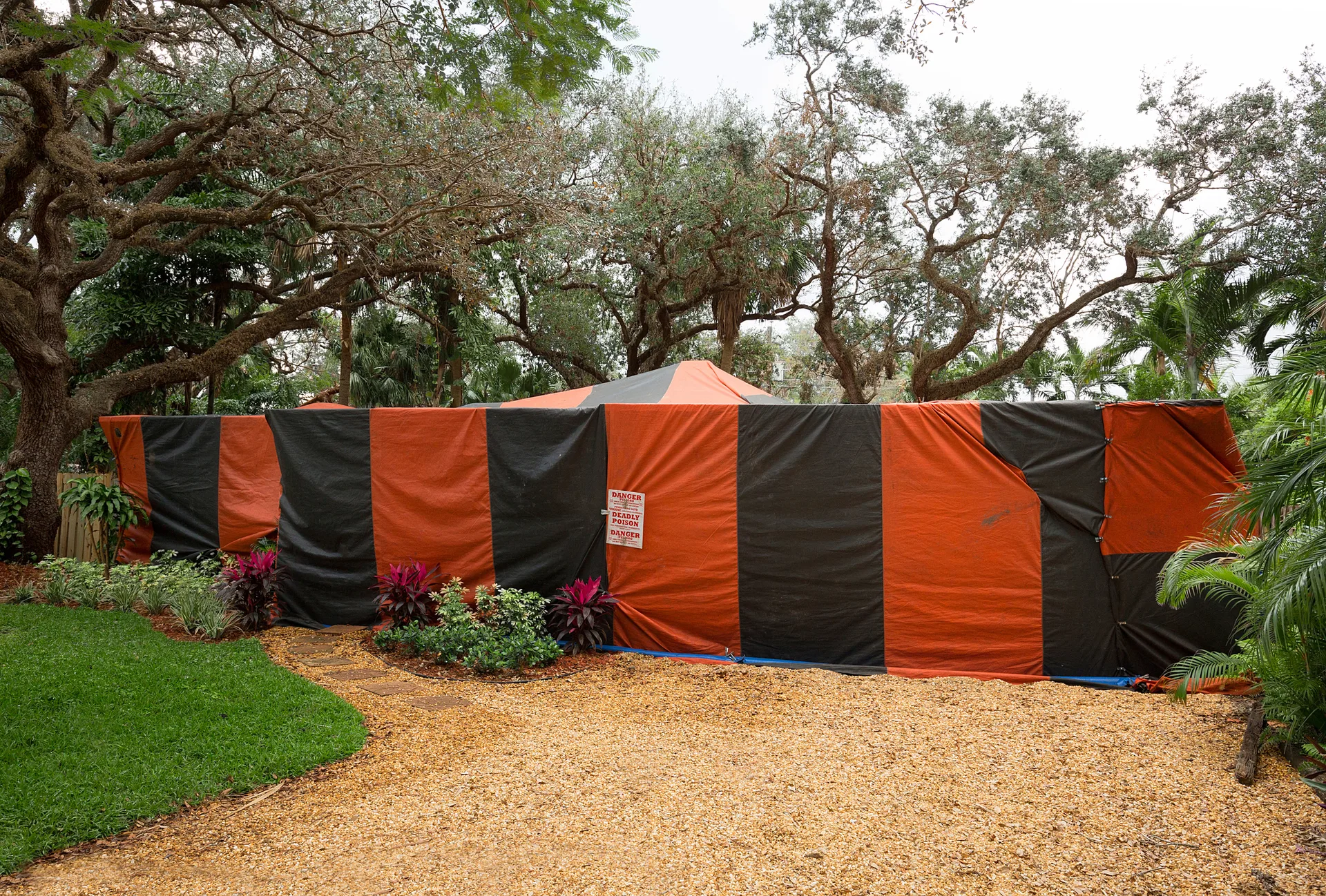
  • Treatment: Fumigation for widespread infestation; orange oil or direct injection for isolated areas.

Subterranean Termites: What to Look For

Western subterranean termites (Reticulitermes hesperus) are the most destructive termite species in North America. Unlike drywood termites, they live in underground colonies and must maintain soil contact for moisture. They access structures by building mud tubes.

  • Key sign: Mud tubes. Pencil-width tubes of mud and feces running from the soil up foundation walls, concrete piers, or sill plates. This is the most reliable indicator of active subterranean infestation.
  • Key sign: Swarmer wings near soil level. Subterranean swarmers emerge from the ground or from mud tubes at ground level, not from wood surfaces.
  • Damage pattern: Hollow wood with a layered, laminated appearancethe termites eat along the grain, leaving thin wood walls between galleries that collapse under pressure.
  • Location: Crawl space framing (sill plates, joists, girders), lower wall framing, any wood with soil contact. They can also build mud tubes over concrete to reach wood above.
  • Treatment: Liquid termiticide soil treatment (Termidor) applied around the foundation perimeter. Borate treatments for accessible framing.

Important

Never break open or remove mud tubes without a professional inspection first. Active mud tubes confirm current infestation. Breaking them without treatment just relocates the foraging activity.

Dampwood Termites: The Moisture Indicator

Dampwood termites (Zootermopsis species) are the largest termite species in California — swarmers can reach 1 inch in length. They require wood with above-normal moisture content to survive. Finding dampwood termite activity is almost always a sign of an underlying moisture or structural problem.

  • Key sign: Large fecal pellets. Dampwood pellets are larger than drywood pellets and tend to stick together or remain inside galleries.
  • Key sign: No mud tubes (unlike subterranean). No fecal pellet piles on surfaces (unlike drywood). Activity is usually detected only when infested wood is opened.
  • Location: Wood in contact with soil, wood exposed to persistent leaks, crawl space members affected by condensation or drainage issues, and redwood-framed structures.
  • Treatment: Source of moisture must be addressed firstwithout correcting the moisture problem, dampwood termites will return regardless of treatment. Direct wood treatment for infested members; structural repair for damaged sections.

Why Misidentification Is Expensive

A homeowner treating for subterranean termites when drywood is the problem will spend $500–$1,500 on soil treatment that has zero effect on the actual infestation. A homeowner who fumigates (appropriate for drywood) when the problem is subterranean will eliminate any drywood activity in the structure but leave the subterranean colony untouched — and the mud tubes return within months. We've re-treated homes where the previous contractor applied the correct treatment for the wrong species. The only way to avoid this is a professional inspection by a licensed structural pest control technician who correctly identifies what's present before recommending treatment.

The Inspection: What Gets Checked

A comprehensive WDO inspection for Monterey County properties covers all accessible areas — attic (drywood activity, damaged framing), crawl space (subterranean tubes, moisture conditions, dampwood activity), exterior (mud tubes, damaged wood, earth-to-wood contact), and interior (signs of active infestation at windows, doors, trim, flooring). The inspector looks for evidence of all three species and documents findings in a Section 1/Section 2 report format.

Frequently Asked Questions

How can I tell if I have drywood or subterranean termites?

Look for fecal pellets on windowsills or attic floors — that's drywood. Look for mud tubes running from soil to wood — that's subterranean. If you find large, clustered fecal pellets inside wet or decayed wood, that's dampwood. If you're unsure, photograph what you find and send it to us before scheduling a full inspection.

Can I have both drywood and subterranean termites at the same time?

Yes — this is more common than most people expect in Monterey County. We regularly inspect homes with active drywood activity in the attic and subterranean activity in the crawl space simultaneously. Both require treatment, but different treatments. A WDO inspection documents all species present.

Do I need fumigation for subterranean termites?

No. Fumigation (tenting) is effective for drywood and bed bugs but is not the standard treatment for subterranean termites. Subterranean termites are treated with a liquid termiticide (typically Termidor) applied to the soil around the foundation perimeter. Fumigation does not address subterranean colonies living in the soil.

My neighbor just fumigated. Do I need to fumigate too?

Not necessarily. Drywood termites don't spread easily between structures in the way some pests do. However, if your neighbor's home had significant drywood activity, scheduling a professional inspection of your own home is prudent — especially if the homes are close together or share similar age and construction.

101

Written by

101 Exterminators Inc.

CA Licensed Structural Pest Control · License #PR8216 · Serving Central California since 2005

The 101 Exterminators team has been treating homes and businesses across Monterey, Santa Cruz, San Benito, and Santa Clara counties since 2005. Our technicians hold California SPCB Branch 2 and Branch 3 licenses and draw on 20+ years of real-world pest management experience in Central California.

Get a Free Inspection

Licensed, local, and accountable. We serve Monterey, Santa Cruz, San Benito, and Santa Clara counties with same-day response.