
101 Exterminators Inc.
CA Licensed Structural Pest Control · SPCB Lic. #9119
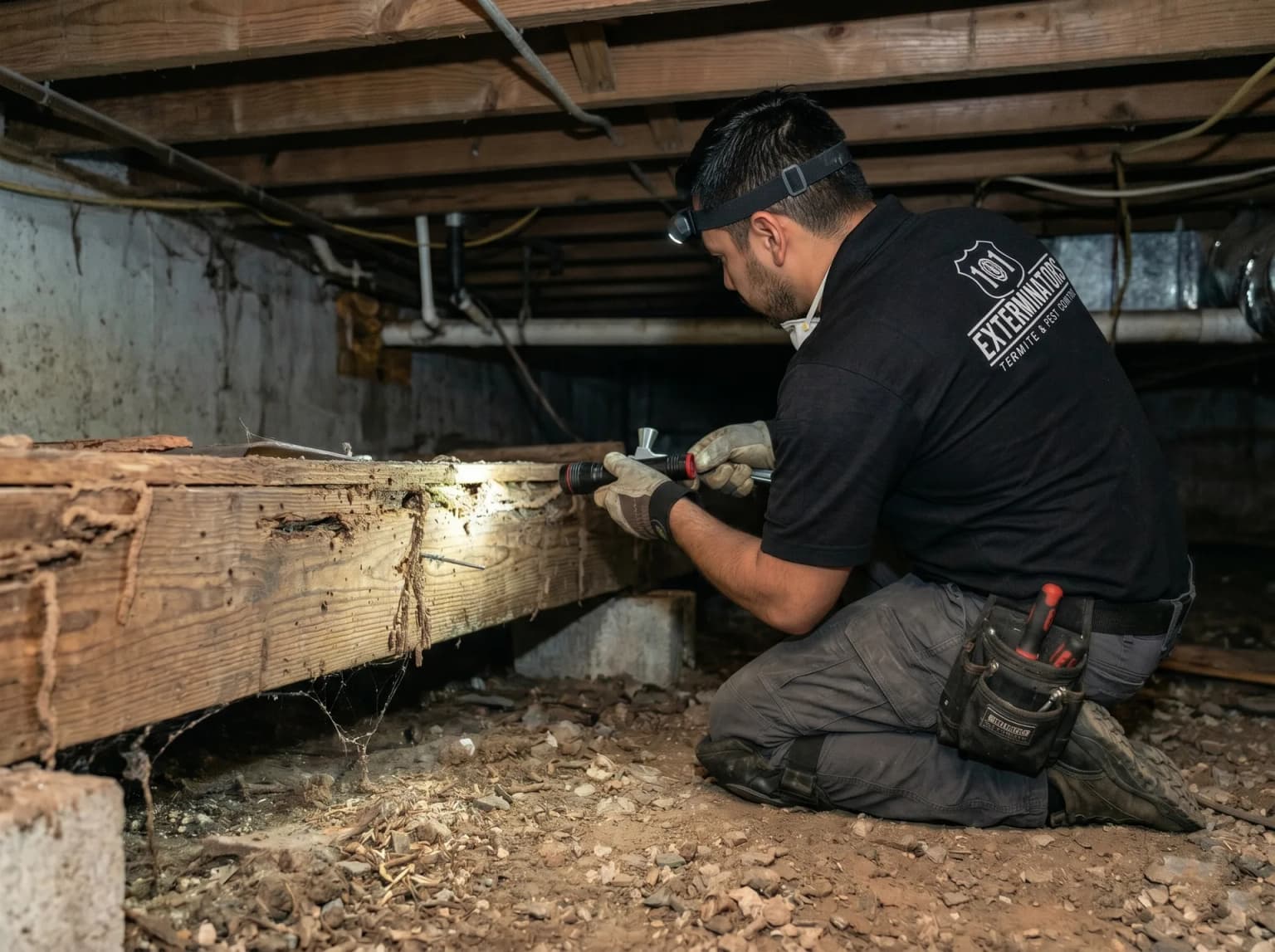
Nobody can quote a fumigation over the phone, and a company that offers to is guessing. The price of tenting a house in California is built from measurements taken at the property: the cubic volume the gas has to fill, how far the infestation has spread and into what kind of wood, what the tent crew has to seal around, the outdoor temperature on the day of the job, and what the county requires by way of notice before anyone puts a tarp on a roof. Those inputs move the figure far more than any advertised rate does. What you should ask for, and what a licensed operator will hand you, is a written estimate for your specific structure after an inspection.
Cubic Volume, Not Square Footage
A fumigant fills a space, so the fumigator is buying volume rather than floor area. That distinction matters because two houses with the same listing square footage can hold very different amounts of air. A single-story ranch with an eight-foot ceiling and a shallow roof pitch is a small box. A two-story house with a steep gable, an open stair, and a vaulted great room holds far more, and the attic volume above the ceiling counts too, because the tent goes over the roof rather than around the top floor. The fumigator measures the structure and computes the volume rather than reading it off a floor plan, and that measurement is the first line of any honest estimate.
Did You Know
Ask whether the estimate is based on a measured volume or an estimate from the outside. A number produced without a tape measure and a roof pitch is a guess, and a guess made low gets corrected on the day the crew arrives.
How Far the Infestation Has Spread, and Into What Wood
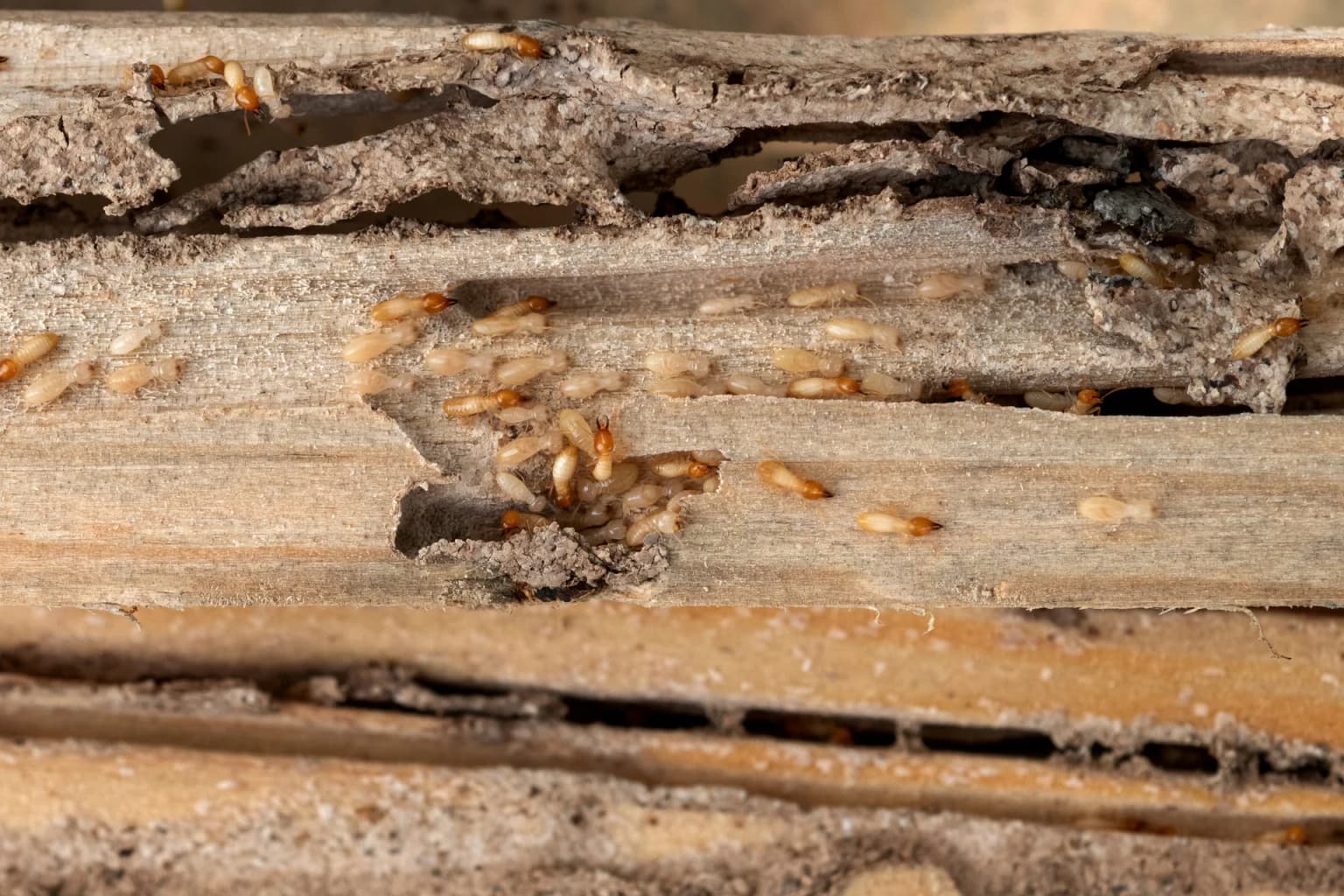
The fumigator sets a dosage rather than picking a package. The calculation combines the target pest, the outdoor and structural temperature, the exposure period, and the density of the wood the gas has to penetrate, because old-growth Douglas fir and redwood framing in a pre-1960 coastal house absorbs differently from modern kiln-dried lumber. Drywood termites deep in dense framing take a different dose than bed bugs in furnishings. A wider infestation does not simply mean more of the same work; it can change the dose, the exposure time, and the number of nights you are out of the house. This is why the inspection has to come before the number.
What the Tent Crew Has to Seal Around
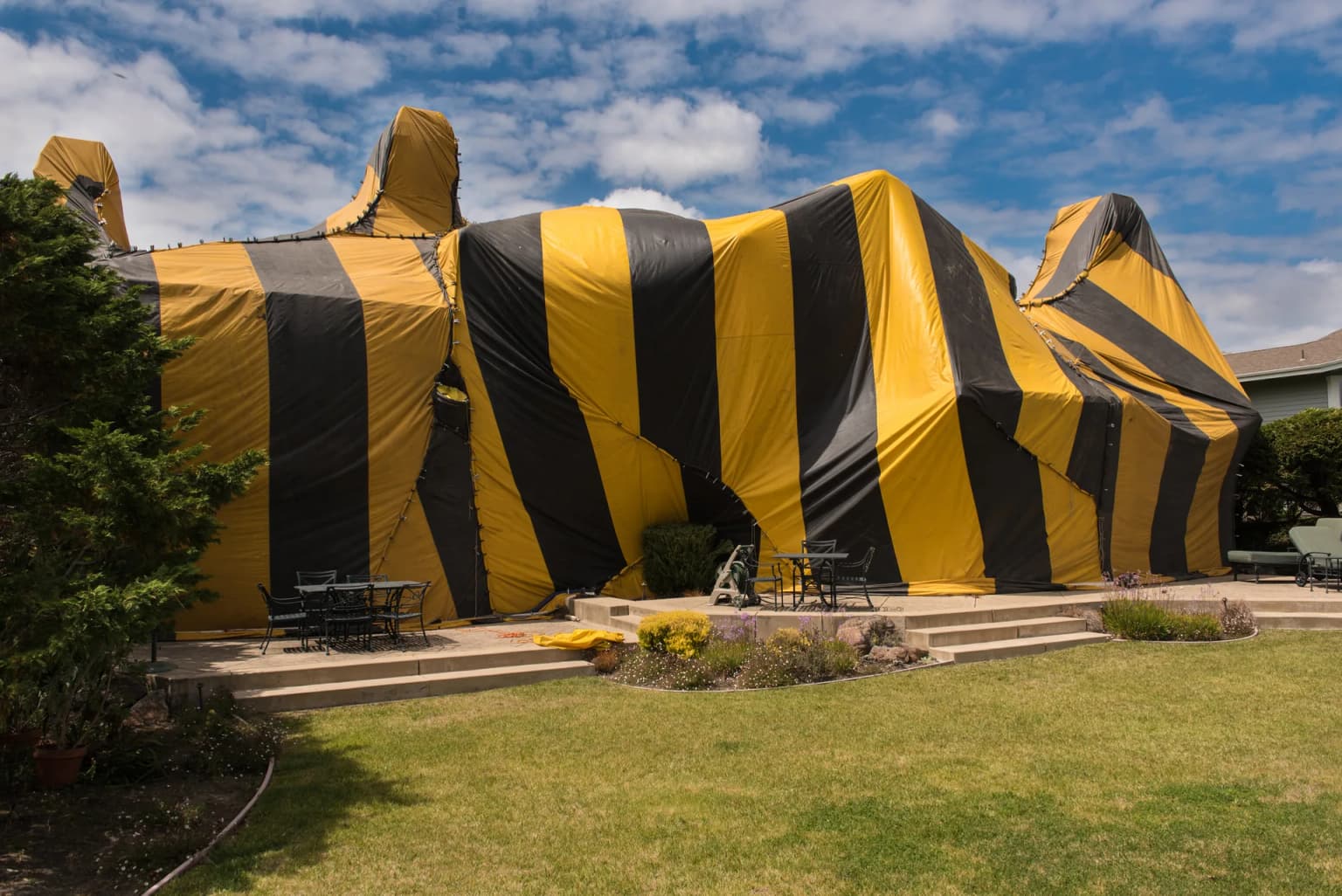
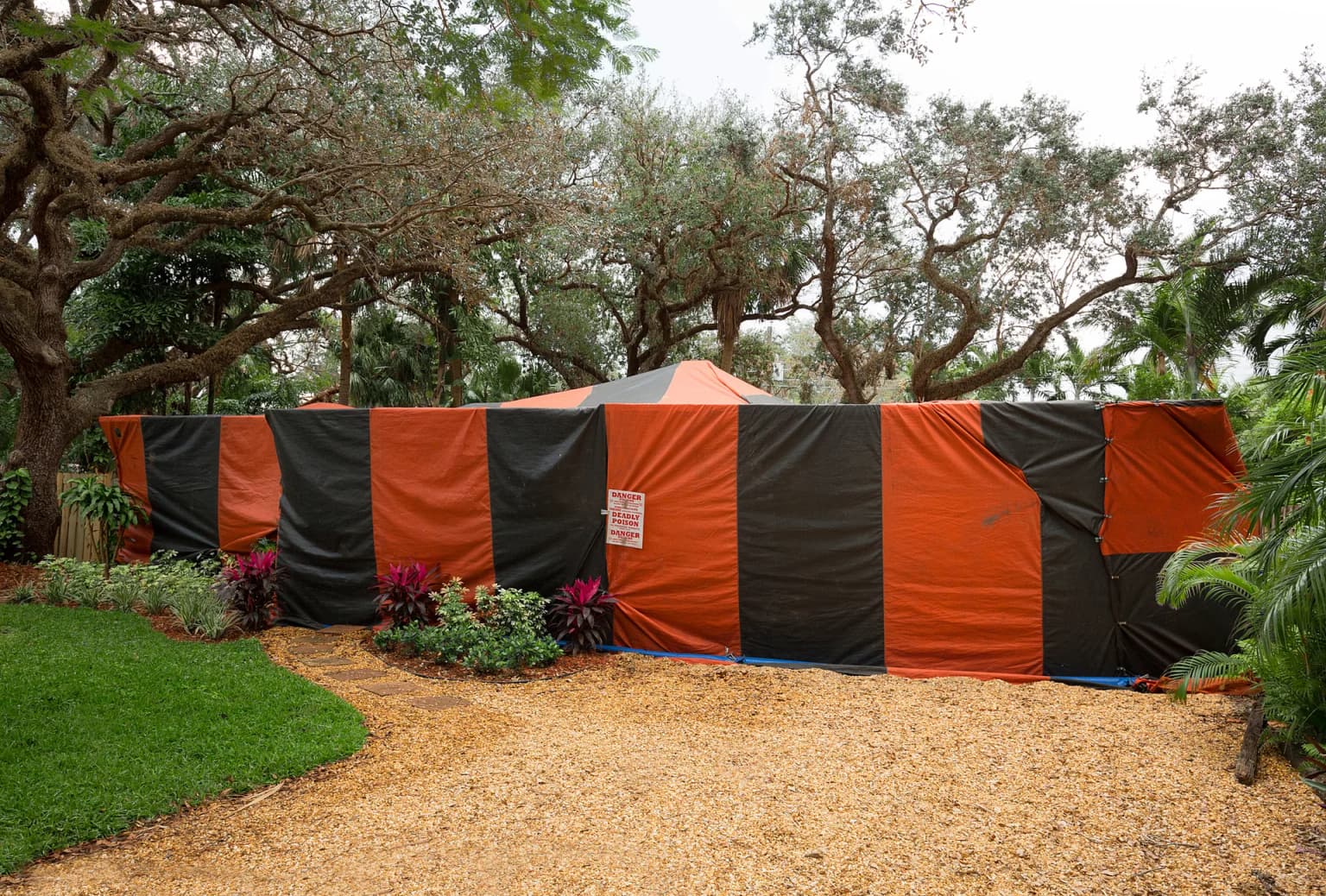
Tenting is rigging work, and the property decides how hard it is. The same size house can be a straightforward morning or a full day of problem-solving depending on what sits on the roof and around the walls.
- Roof shape and covering — Steep pitches, multiple gables, and clay or slate tile all slow the crew and raise the risk of breakage, which is why tile roofs get their own conversation before the job.
- Rooftop equipment — Solar arrays, satellite mounts, swamp coolers, and antennas each have to be worked around or temporarily addressed.
- Lot lines and access — A house set close to the fence on both sides, or one with a steep driveway or a narrow gate, limits where the crew can stage tarps and run sandbags.
- Attached structures — Garages, carports, additions, and covered patios either come under the tent or get sealed off from it, and that decision changes the volume.
- Trees and landscaping — Overhanging limbs may need trimming, and plantings against the wall often need protection or clearance before tarps come down over them.
- Shared walls — A duplex, townhouse, or condo means neighbor coordination, and in most cases the adjoining unit has to be part of the plan rather than an afterthought.
County Permitting and Notice
California treats structural fumigation as its own licensed activity, separate from ordinary pest treatment, and the paperwork is part of the job rather than an extra. A licensed fumigator files a notice of intent with the county agricultural commissioner before the tent goes up, posts the required warning signage, installs secondary locks on the access points so nobody can walk into a charged structure, and issues a signed re-entry authorization only after a clearance reading. Monterey, Santa Cruz, San Benito, and Santa Clara counties each run their own agricultural commissioner office, and local notice practice, scheduling, and inspection follow-up differ enough between them to affect how a job is planned. Ask which county desk the notice goes to and who files it.
Important
Only a licensed structural fumigation company may perform this work in California. Before you sign anything, ask for the license number and check it against the Structural Pest Control Board record. Ours is SPCB Lic. #9119.
What Belongs in the Written Estimate
A complete written estimate names each of these, so you can compare one document against another line by line instead of comparing two bottom-line figures that were built differently.
- The inspection findings — What was found, where, and which species, rather than a bare recommendation to fumigate.
- The fumigant by name — Sulfuryl fluoride, sold as Vikane, is the standard for drywood termites. The estimate should say which product and on what dosage basis.
- Measured volume — The cubic footage the dosage was calculated against.
- Tenting and sealing — Who tarps the structure, how attached areas are handled, and what happens to landscaping and rooftop equipment.
- Clearance testing and re-entry — Confirmation that a clearance reading with a detection device, not a clock, decides when you go back in, and that a signed re-entry authorization is issued.
- Bags and preparation materials — Whether the sealed bags for food and medication are supplied.
- Notice and locks — Whether the county notice filing, signage, and secondary locks are part of the scope.
- Exclusions in plain language — What the estimate does not cover, written down rather than explained on the phone.
The Parts Homeowners Forget to Plan For
Several real costs of a fumigation never appear on a pest control estimate because the fumigator is not the one charging them, and they surprise people who budgeted only for the tent.
- Somewhere to stay — Everyone and every pet leaves the structure for the full exposure and aeration period, so lodging is on you and it depends on how many people and animals are in the household.
- Preparation time — Food, drinks, medication, and anything with a natural membrane such as fresh produce goes into sealed bags or leaves the house, and a full kitchen and bathroom take real time to work through.
- Structural repair — Fumigation ends the infestation; it does not replace a hollowed sill plate or a damaged rafter tail. Repairs are separate work and separately quoted.
- Roof and landscape touch-ups — Tile breakage and crushed plantings are uncommon but not unheard of, and the estimate should say who is responsible if either happens.
Fumigation or Local Treatment
Tenting is the right call when activity shows up in several disconnected places at once, when previous local treatments have not held, or when a real estate transaction needs the whole structure cleared rather than a list of treated spots. Local treatment, meaning orange oil, borates, or direct injection into a gallery, fits an infestation that inspection shows is confined to a few accessible members, and it does not require you to leave. The honest way to decide is not to guess which is cheaper. Ask for both approaches written into the same estimate for your property, with the inspection findings each one is based on, and compare them as documents.
Reading Two Estimates That Disagree
When two licensed operators look at the same house and hand you different documents, the difference usually traces to something specific rather than to one of them being unreasonable. Ask each of them the same five questions and the gap generally explains itself.
- Which fumigant, and at what dosage basis? A shorter exposure period or a lower concentration is a different job, not a discount.
- Is clearance testing part of the scope, or billed on its own?
- Was the volume measured at the property, or estimated from the curb?
- What is the license number, and what is covered if a tile breaks or a plant is crushed?
- What exactly is excluded, and is that list written into the estimate?
Pro Tip
Get more than one written estimate, and compare the scopes before the totals. An estimate that is thin on the page is usually thin on the job, and the parts left out come back as change orders after the tarps are already on the roof.
Related Resources
Frequently Asked Questions
How much does fumigation cost in California?
It is quoted per property, in writing, after an inspection, because every input is measured rather than looked up. The fumigator measures the cubic volume of the structure, identifies the pest and how far it has spread, sets a dosage from the temperature and the wood, and prices the tenting against what the roof and the lot actually require. Ask for that estimate in writing, and ask it to name the fumigant, state the measured volume, and say whether clearance testing and re-entry authorization are included.
How many nights will I be out of the house?
The fumigator sets the exposure period from a dosage calculation rather than a standard schedule, so the number of nights depends on the concentration used, the outdoor temperature, the wood, and the target pest. Get that number in writing before you book anywhere to stay, and confirm that re-entry waits on a clearance reading rather than on the clock.
Is the house safe to live in afterward?
Sulfuryl fluoride leaves no residue in wood, fabric, or food once the structure has been aerated, and California does not let occupants return on the fumigator's word alone. A clearance reading taken with a detection device has to show the concentration has dropped to the permitted level before a signed re-entry authorization is issued. Ask to see that reading, and keep the signed authorization with your records.
Do I have to throw out my mattress, sofa, or food?
No to the furniture. Sulfuryl fluoride does not bind to fabric, foam, or upholstery, so everything in the house is usable after aeration and clearance. Food, drinks, and medication are different: anything not in a factory-sealed glass or metal container goes into the special sealed bags supplied for the job, or leaves the house with you.
Does fumigation work on subterranean termites?
No, and this is the most expensive mix-up in termite work. Fumigation treats what is inside the structure, and a subterranean colony lives in the soil and only sends workers up through mud tubes. Tenting kills the workers that happen to be inside on the day and leaves the colony under the yard untouched, so the tubes come back. Subterranean infestations are treated with a liquid termiticide applied to the soil around the foundation.
What should I ask before I sign a fumigation contract?
Ask for the license number and check it with the Structural Pest Control Board. Ask which fumigant and at what dosage basis, whether the volume was measured on site, whether clearance testing and re-entry authorization are in the scope, who files the county notice, and what the estimate excludes. A licensed operator answers all six without hesitating, and puts the answers in the document.
Written by
101 Exterminators Inc.
CA Licensed Structural Pest Control · SPCB Lic. #9119 · Serving Central California since 2005
The 101 Exterminators team has been treating homes and businesses across Monterey, Santa Cruz, San Benito, and Santa Clara counties since 2005. Our technicians hold California SPCB Branch 2 and Branch 3 licenses and draw on 20+ years of real-world pest management experience in Central California.