Published by
101 Exterminators Inc.
A condo owner may see termite pellets beside a window but have no access to the outside wall or the unit next door. That access gap belongs in the inspection plan, not in a guess about the whole building. In a shared structure, the most useful report says what the inspector saw, what remained inaccessible, and who can arrange the next look. These questions apply to condos in San Francisco, San Mateo, Alameda, and Santa Clara counties, including the South Bay.
Draw the access map before the visit
List the unit rooms, balcony or patio, attic or subarea access if any, exterior surfaces, shared garage, and neighboring areas that might matter. Ask the manager which areas an inspector can enter and who holds the keys. Do not assume that ownership of a unit gives an inspector access to common framing or another home. Confirm any access and notice arrangements with the association or manager; this guide makes no claim about a particular association’s rules.
Preserve signs without opening the wall
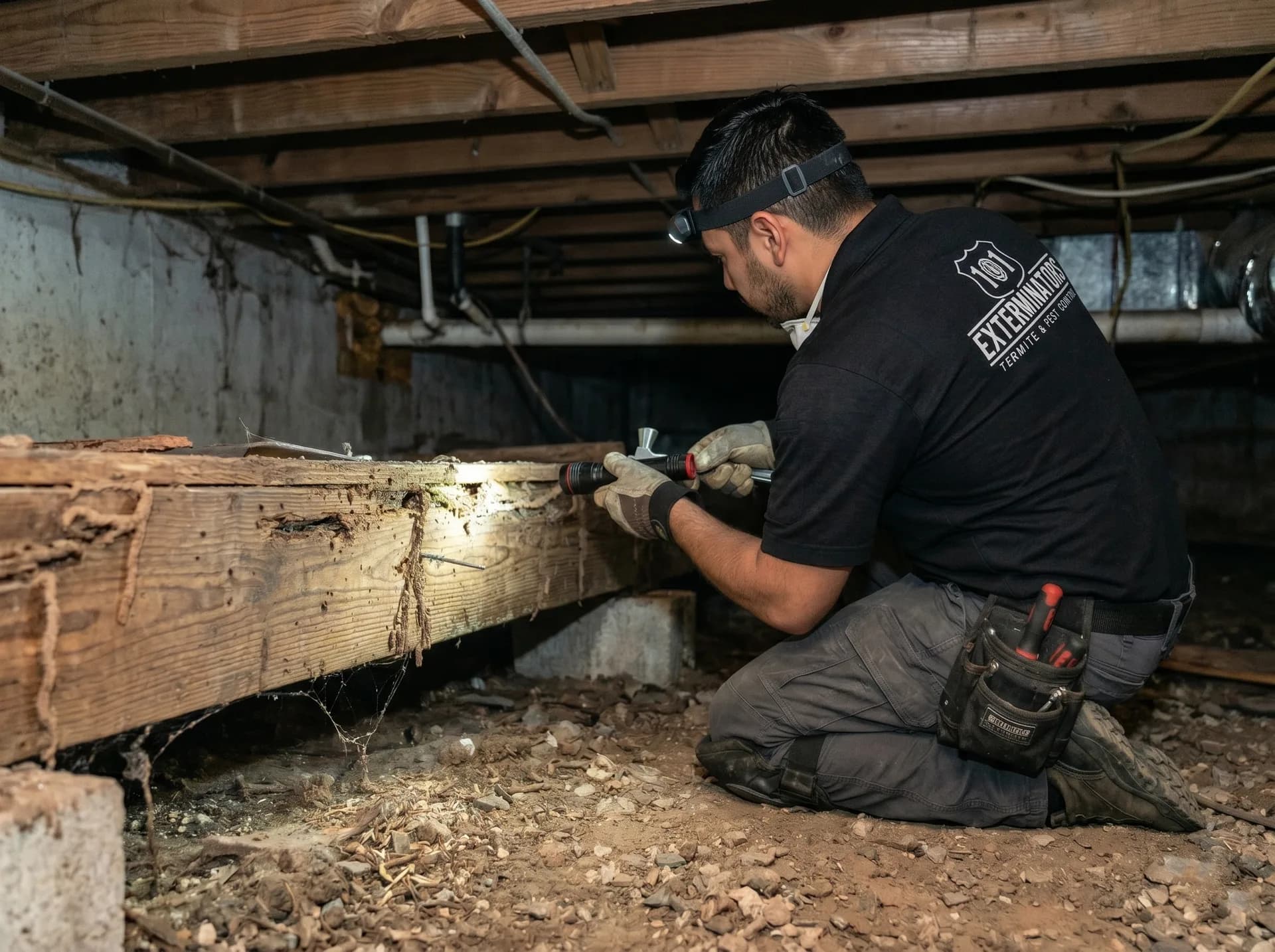
Photograph pellets, wings, damaged trim, or tubes with a wider photo that shows the room and a close photo of the sign. Record when the sign first appeared and whether it returned after ordinary cleaning. Pellets alone cannot prove current drywood termite activity or its extent, according to UC. Leave intrusive inspection and unsafe areas to qualified people; opening finishes without coordination can obscure evidence and create a repair dispute.
Read the report boundary
A pest report covers what the inspector could see and reach. It must also list areas that were not inspected and advise a closer look where possible. If you asked for separate findings, Section 1 lists signs of active pests or decay and damage they caused. Section 2 lists conditions that could lead to pests or decay, with no visible active signs. A closed shared wall is an access limit. It does not tell you what lies behind it.
Questions for an owner
Ask the inspector: Which signs were identified in my unit? Does the evidence point to drywood or subterranean termites? What part of the proposed treatment lies within my unit? Which shared or exterior areas need a second look? Ask the manager who can authorize access and how the findings will be shared with adjoining occupants. Keep the written report and photographs together.
Discuss inspection access for your condoQuestions for a manager or association
Mark each reported sign on a building plan. Ask whether a wall, roof, base, or pipe route links the affected rooms. Arrange access for a licensed inspector before choosing work for the whole building. If work is proposed, get a list of the units and shared spaces it covers. Ask who will prepare each space and tell residents what to do. For payment and access duties, check the governing documents with the manager or association. The pest report itself does not assign those duties.
Choose a scope that matches the evidence
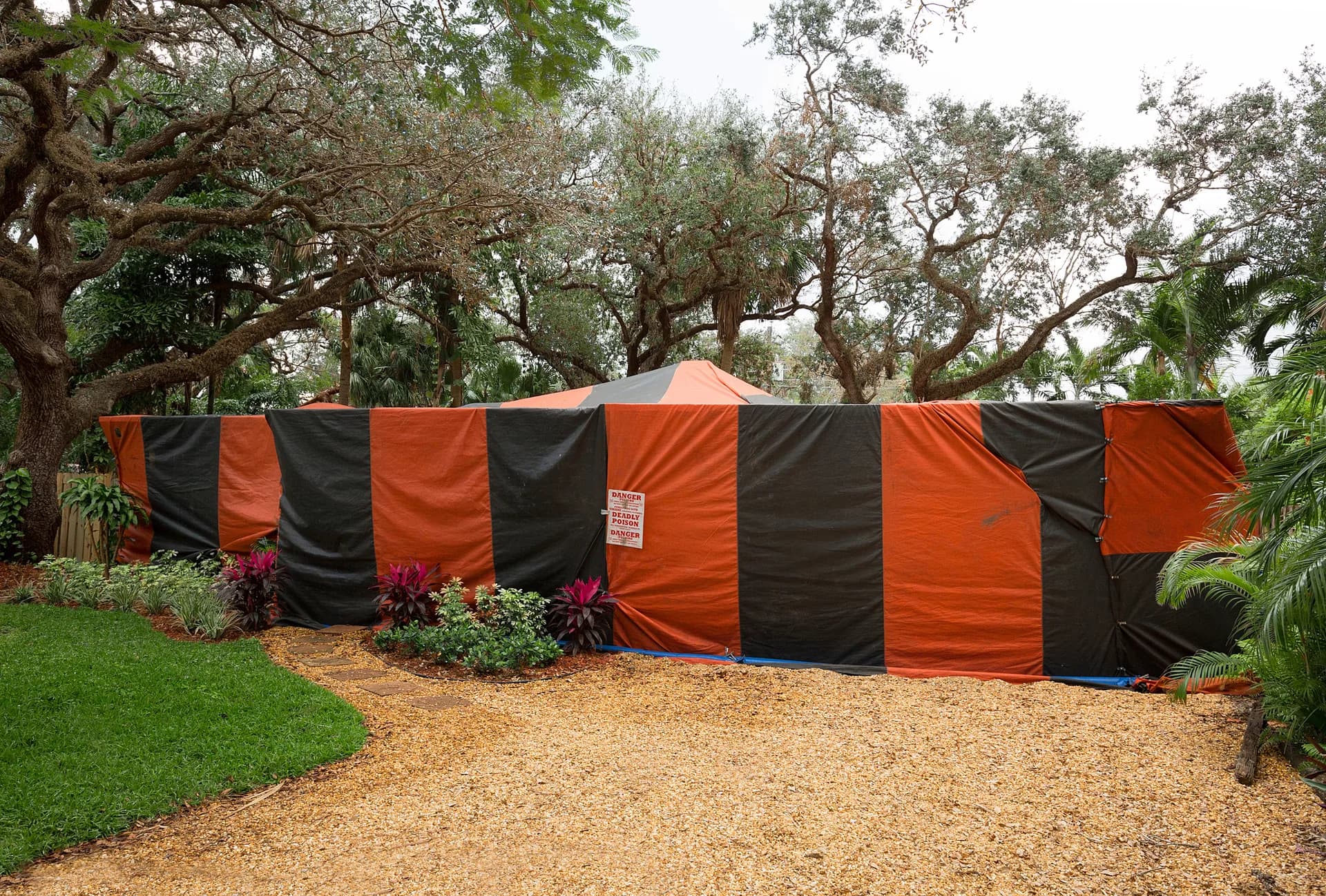
First confirm the target pest and species, then map which units and shared spaces can be inspected. If drywood termites are confirmed, a spot treatment must reach the colony and can miss hidden ones. A wider treatment is an option only if the findings and access support it; the written plan must name the spaces it covers and who needs to prepare them. Ask what evidence supports each proposed scope. Our Bay Area termite inspection guide covers the wider process, and our treatment guide helps you compare the bids.
Close the loop with one record
Keep a dated copy of the access map, report, photos, written proposals, decisions, and any follow-up findings. If a shared area remains closed, leave it marked unresolved until someone can inspect it. A tidy file helps an owner, manager, and adjoining occupant discuss the same building rather than three different memories of a pellet pile.
Related Resources
Frequently Asked Questions
Can an inspector certify that a whole condo building is clear after viewing one unit?
No. Ask for the exact areas inspected and the report’s access limits. Concealed and adjoining areas may need further inspection.
Does finding pellets in one unit prove the neighboring unit has termites?
No. Pellets alone do not show colony boundaries or current activity. Have the affected and accessible adjoining areas evaluated.
Who pays for a shared-wall termite inspection or treatment?
Check the building’s governing documents with the manager or association. The Section label in a pest report does not assign payment duties.
Sources
- Structural pest report definitions and inspection scope · California Legislature
- Drywood termite detection and treatment limits · UC Statewide IPM Program
Publisher
101 Exterminators Inc.
Based in Salinas, we serve Monterey, Santa Cruz, San Benito, Santa Clara, San Mateo, San Francisco, and Alameda counties. This article offers general guidance; an inspection is needed for property-specific findings.
About the company