

Structural Pest Control
Termite Control in Millbrae, CA
101 Exterminators does termite control in Millbrae as a California-licensed structural pest company, SPCB Lic. #9119. Most of this city went up between the late 1940s and the mid-1960s, and where a house sits decides a lot. Framing up in the Mills Estates hills drains and dries. Bayside Manor sits low and close to the Bay. We inspect, report by Section 1 and Section 2, then treat what the report actually found.
Home maintenance
How do you keep termites out of a Millbrae home?
Keep wood painted, dry and clear of the soil. Much of Millbrae’s housing dates from the post-war decades, from Bayside Manor’s 1945 single-story homes to the Millbrae Meadows tracts built between 1955 and 1964, and that original trim and framing has weathered decades of fog and rain. Upkeep on the outside of the house is where termite prevention starts.
Clean gutters before November
Millbrae gets about 23 inches of rain a year, most of it from November to April. Clear gutters in October and make sure downspouts carry water away from the walls, so soil against the house doesn’t stay soaked all winter.
Watch the exposed beams in Millbrae Meadows
Eichler-influenced homes have beam ends and rafter tails out in the weather. Keep them sealed and painted, and look under them each fall for small piles of six-sided pellets.
Pull soil and mulch off the siding
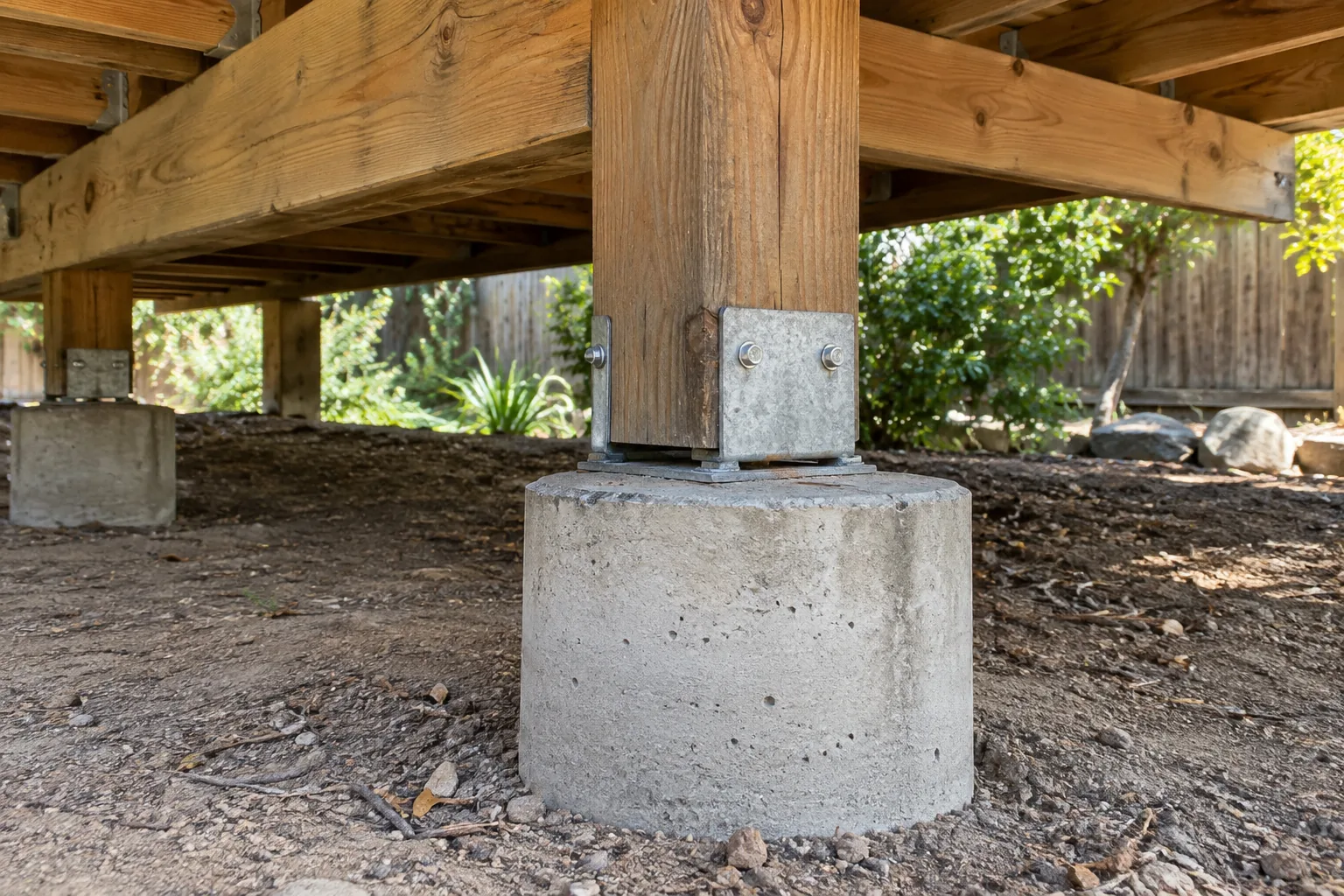
Keep a few inches of clearance between the soil line and stucco, siding or trim, and keep mulch thin against the house. On Mills Estates hillside lots, check that slope soil hasn’t crept up the uphill wall.
Keep the creekside yard dry at the house
Homes near Millbrae Creek and the Spur Trail sit near damp ground. Keep irrigation off the foundation, fix leaking drip lines, and store firewood off the ground and away from the walls.
Screen attic and gable vents
Winged drywood termites fly in through open vents and cracks. Replace torn vent screens and caulk gaps where trim meets stucco on the Spanish and Mission-style homes in Millbrae Highlands.
When to do it
Gutters and grading in October; a pellet check under beams and eaves in September, Millbrae’s warmest month.
Maintenance guidance: San Mateo County Mosquito and Vector Control District, Termites
Warning Signs
When to Ask About Termite Control in Millbrae
We check visible wood in accessible attics, crawl spaces, fences, and exterior areas, then explain the next step. For written findings needed in a sale, book a paid structural pest inspection. Its WDO report separates Section 1 from Section 2 conditions.
Hollow-sounding wood when tapped — galleries eaten from inside
Frass (fine sawdust-like pellets) near baseboards or windowsills — drywood termite excrement
Discarded wings near doors or windows in spring — swarmers leaving to start new colonies
Blistering or bubbling paint on wood surfaces — subterranean tunnel activity underneath
Mud tubes running up foundation walls or piers — subterranean termite foraging trails
Soft or sagging flooring near walls — severe structural damage to subfloor joists
Small holes in wood with discoloration around the edges
Real estate transaction requiring a WDO inspection and clearance report
How It Works
What to Expect from Termite Control in Millbrae
Tell us where you found wings, pellets, mud tubes or damaged wood. If you need a written report for a sale or refinance, ask for a formal WDO inspection when you book.
Visual Review or Formal Inspection
A licensed technician reviews visible signs in accessible areas and explains them. For a sale, a separately booked paid structural pest inspection documents findings for the written WDO report.
Findings & Recommendations
We explain what we find and recommend the next step. A formal written WDO report comes with a separately booked paid structural pest inspection.
Targeted Treatment Plan
We recommend the most effective and least invasive treatment — whether that's localized spot treatment, fumigation for widespread drywood infestation, or subterranean bait systems.
Treatment & Documentation (If Needed)
If treatment is authorized, we carry out the agreed plan and explain any follow-up. When correcting Section 1 findings from a separately booked paid WDO inspection, we provide the applicable completion documentation.
Why 101 Exterminators
Why Choose 101 Exterminators for Termite Control in Millbrae
State-Licensed Inspectors
Our inspectors hold California Structural Pest Control licenses and are compliant with SPCB regulations for both inspections and treatments.
WDO Reports for Real Estate
We issue California Structural Pest Control Reports used in real-estate and financing workflows. If your lender, escrow company, or loan program has specific requirements, confirm them before scheduling.
Both Termite Species Covered
Central California has both drywood and subterranean termites. We identify which species is present and apply the treatment protocol specific to each.
Written Follow-Up Terms
Any re-inspection, re-service, or warranty terms for the recommended treatment are provided in writing before work begins.
Common Questions
Termite Control FAQs for Millbrae
Do the Millbrae Meadows homes get termites differently than the older stucco houses?
Yes, because the construction changes the entry point. The Stoneson Brothers built Millbrae Meadows between 1955 and 1964 with Eichler-influenced design: low-slope roofs, wide overhangs, big glass set into wood, and slabs instead of crawl spaces. Drywood termites reach that framing from above, and there is little or no attic to inspect from. The Spanish and Mission-style stucco homes in Millbrae Highlands more often sit on raised foundations, so the risk shifts to the sill plate and the crawl space. We inspect for both species and look in different places first.
Will a Millbrae home sale close with a Section 2 finding on the report?
Usually yes, because escrow generally turns on Section 1 rather than Section 2. Section 1 means active infestation or existing damage. Section 2 means a condition likely to lead to infestation, such as earth-to-wood contact at a hillside deck post or a blocked crawl-space vent. Peninsula lenders and agents typically want the Section 1 items cleared and a Notice of Work Completed issued, while Section 2 items are commonly negotiated between buyer and seller instead.
What time of year do termites swarm in Millbrae?
Drywood termites swarm on warm evenings from August into October, and subterranean termites fly after the winter rains, generally late winter into early spring. September is Millbrae's warmest month, which lines up with those drywood flights. Most people never see the flight. They see the wings, small and equal in length, collected on a windowsill or inside a light fixture. Keep a few. The species changes the treatment.
Local Pest Pressure
Common Pests We Treat in Millbrae
Every area has its own pest profile shaped by climate, housing, and geography. These are the pests we see and treat most often in Millbrae — tap any one to learn how to identify it and what treatment involves.
Termite Control · Millbrae
Schedule Service in Millbrae
Tell us what you have found and where. For a sale or refinance, request a separate paid WDO inspection.