
Commercial Pest Management
Commercial Pest Control in Sunnyvale, CA
101 Exterminators runs commercial pest control in Sunnyvale for restaurants, corporate cafeterias, warehouses, retail and property managers — scheduled IPM service with written logs an inspector can read. California licensed, SPCB Lic. #9119. The kitchens on South Murphy Avenue and the food service inside the Moffett Park office campuses answer to the same Santa Clara County inspector and need the same paper trail.
Home maintenance
How do Sunnyvale restaurants and office cafeterias keep pests out?
Run prevention as a routine with written records. Sunnyvale’s food service ranges from the restaurants on historic Murphy Avenue to corporate cafeterias in Moffett Park, and both receive daily deliveries and generate a lot of waste. German cockroaches arrive with cardboard and move through shared plumbing, and rats follow the trash.
Check every delivery at the dock
Inspect cases, produce boxes and pallets for roaches and gnaw marks on arrival, then break down cardboard and remove it from the kitchen the same shift.
Seal walls shared with neighbors
On Murphy Avenue, restaurants share walls and older plumbing with the businesses beside them. Close gaps around pipes and conduit where they pass between spaces.
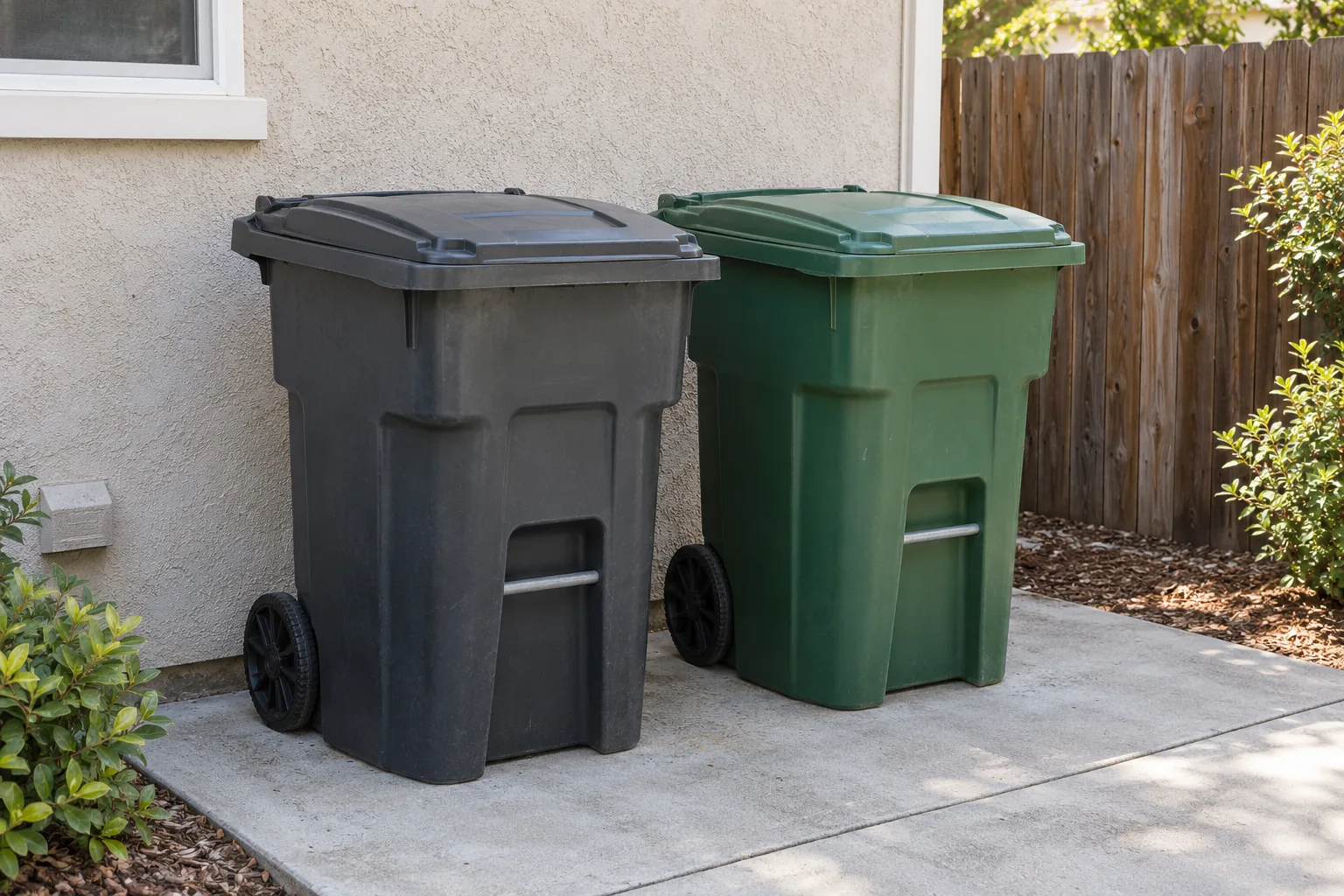
Keep dumpster areas closed and washed
Close lids, wash the pad on a schedule and replace cracked bins. Campus cafeterias and busy restaurants produce a lot of food waste, so enclosures that stay closed keep it away from rats overnight.
Fit door sweeps and keep doors shut
Rear and dock doors that don’t seal let rodents in after hours. Fit sweeps on every exterior door, keep doors closed between deliveries and check the seals monthly.
Keep a dated pest log
Record sightings, service visits and repairs. Health inspectors and facility managers look for that history, and it shows you where problems keep returning.
When to do it
Daily for deliveries and trash, monthly for seals and door sweeps.
Maintenance guidance: UC IPM, Cockroaches (Pest Notes 7467)
Warning Signs
When to Ask About Commercial Pest Control in Sunnyvale
We can discuss an assessment for a specific problem or a recurring pest-management plan. The written proposal should name included areas, visit frequency, methods, records, and follow-up. A termite report, bed bug response, or structural rodent exclusion may need a separate scope. If your operation needs particular records or a restricted appointment window, raise those requirements before booking.
A dated sighting or pest evidence in a specific room or unit
Activity near receiving, storage, waste, or food-handling areas
Repeated reports from tenants, staff, or guests
An access or documentation gap in the current service plan
A new site opening with pest-management needs to define
How It Works
What to Expect from Commercial Pest Control in Sunnyvale
Tell us the type of facility, where activity was found and what service records you need. We can discuss access and scheduling around your operation.
Describe the Site
Tell us the facility type, pest signs, exact locations, operating hours, and who controls access to adjoining areas.
Assess Accessible Areas
A site visit can consider the reported area and relevant receiving, storage, waste, or shared spaces within the agreed scope.
Agree on the Plan
Review the proposed areas, methods, visit interval, record format, and any corrective actions before authorizing work.
Review Findings
Use service findings and new sightings to decide whether the scope, access, or follow-up needs to change.
Why 101 Exterminators
Why Choose 101 Exterminators for Commercial Pest Control in Sunnyvale
A Scope You Can Check
A written plan can identify the rooms, shared areas, visit interval, and specialty work included, so managers know what to expect.
Access Planned With Operations
Share production, guest, or tenant access limits before booking. We will confirm an available appointment window for the areas involved.
Records Matched to the Site
Tell us what service notes or findings your operation needs, then confirm the proposed record format before work begins.
Common Questions
Commercial Pest Control FAQs for Sunnyvale
What pest documentation does a Sunnyvale restaurant need for a health inspection?
A current service log showing a scheduled program, what was found, what was applied, and the corrective actions requested. Santa Clara County inspectors look for evidence of an ongoing program rather than a one-time treatment after a complaint, and they read conducive conditions — a failing door sweep, standing water at a floor drain, an uncovered trash enclosure — as part of the same picture. We leave that record on site after every visit so it is there when an inspector arrives unannounced.
How often should a Moffett Park corporate cafeteria be serviced?
Monthly at minimum for any high-volume production kitchen, and more often while a German cockroach population is being brought down. Continuous food handling, warm equipment, dishwashing moisture and heavy foot traffic give Blattella germanica everything it needs, and a facility on that profile that goes a long stretch between visits typically rebounds before the next one. We set the interval from what the monitors show rather than applying a default schedule to every account.
Does construction around Moffett Park push rodents into nearby buildings?
It does, and it is worth planning around. Grading and demolition open burrows and strip cover, and the Norway rats living along the Sunnyvale East and West Channels move to the nearest structure that will take them — usually one with a worn dock seal, a gap under a roll-up door, or a service door propped open for deliveries. With the whole Moffett Park district in a long redevelopment cycle, nearby facilities do better scheduling exclusion ahead of the disturbance than trapping after it.
Local Pest Pressure
Common Pests We Treat in Sunnyvale
Every area has its own pest profile shaped by climate, housing, and geography. These are the pests we see and treat most often in Sunnyvale — tap any one to learn how to identify it and what treatment involves.
Commercial Pest Control · Sunnyvale
Schedule Service in Sunnyvale
Tell us what you have found and where. If you're new to us, start a recurring plan and we'll take 10% off your first service.