
Published by
101 Exterminators Inc.
A Salinas restaurant needs to keep food areas free of vermin and correct conditions that let pests enter or breed. An inspection may document live insects, droppings, damaged packaging, or gaps around the building. The useful response is to identify the pest, protect food, trace the source, and keep records of cleaning, repairs, and professional work. A service log supports that process but does not replace the facility’s own food-safety duties.
What Goes Into the Report
Monterey County inspects retail food facilities under the California Retail Food Code. The exact finding and required correction depend on the evidence and the inspector’s report; a general article cannot classify a particular kitchen. Keep a dated record of what was found, where it was found, food or equipment affected, and the steps taken.
Use the restaurant pest sighting response sheet- Current activity — Live pests or fresh signs require identification and prompt action in the affected area.
- Past signs — Old droppings or marks still need investigation and safe cleanup; determine whether activity continues.
- Entry and harborage — Damaged door sweeps, gaps, leaks, clutter, and waste handling can support future activity.
Important
Ask the inspector what evidence supports each finding and which correction is required for that site.
The Three Findings That Stop Service
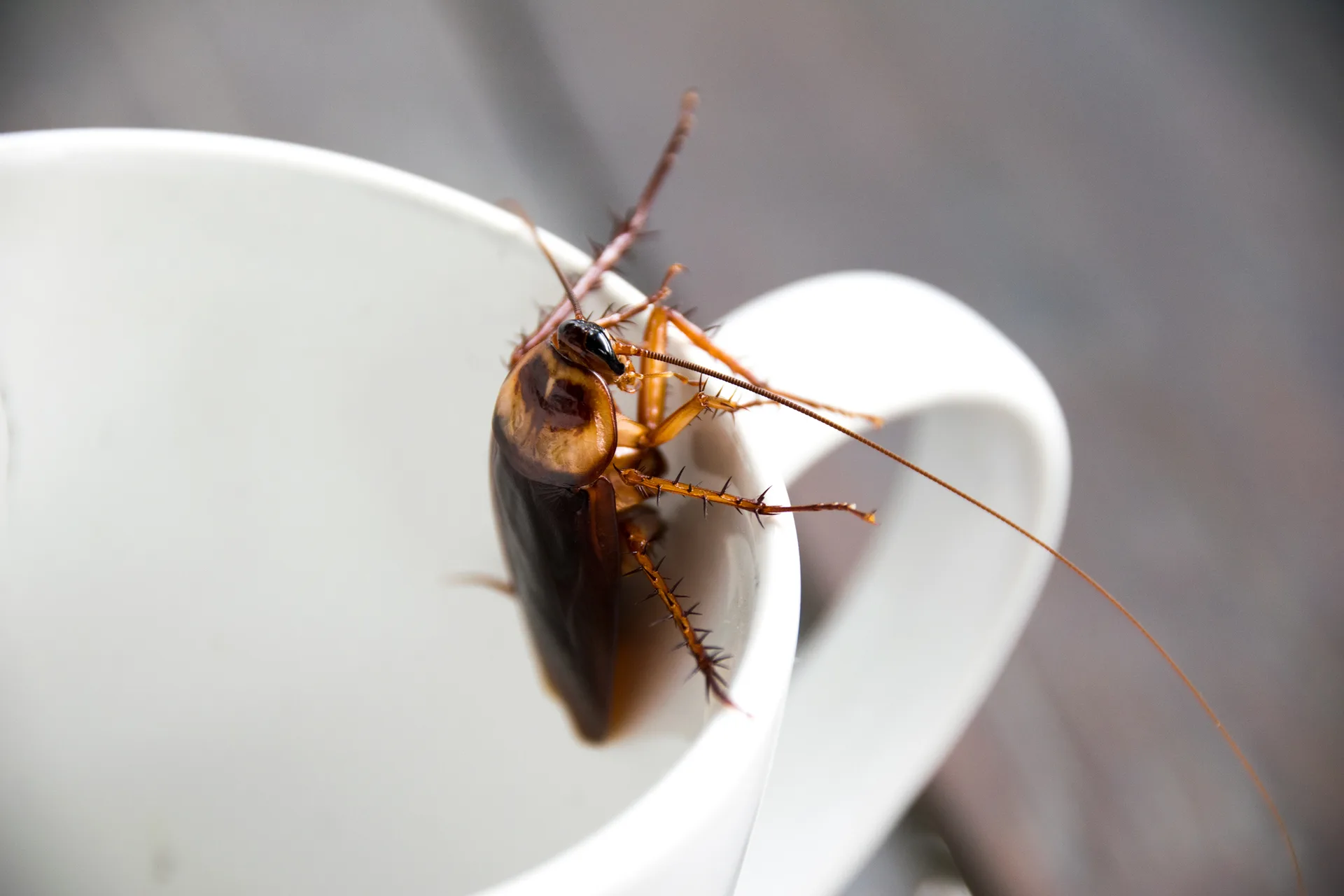
Cockroaches, rodents, and stored-product insects need different responses. The priority depends on whether food or food-contact surfaces are affected and what current evidence is found. Do not infer a required closure or reinspection from a pest name alone.
- Cockroaches — Identify the species and use monitoring to find active hiding places.
- Rodents — Map fresh droppings, gnawing, and entry routes; protect food and arrange safe cleanup.
- Stored-product insects — Inspect affected stock and storage conditions; isolate and discard infested goods as appropriate.
What a Working IPM Program Covers
A practical program combines inspection, monitoring, sanitation, repairs, and targeted treatment when needed. Match visit frequency and tools to the pest history and risk of the facility rather than assuming one schedule fits every kitchen.
- Record the pest species, dates, locations, and monitoring counts.
- Remove accessible food and water sources and clean equipment areas safely.
- Repair leaks, door seals, screens, and other confirmed entry points.
- Use labeled products only in permitted locations under the written plan.
- Document each visit, findings, work completed, and tasks assigned to the facility manager.
Why Salinas Kitchens Get Re-Infested
Shared walls, deliveries, open doors, and equipment or plumbing gaps can create routes for pests in any commercial kitchen. Inspect these possibilities when the evidence points there. A restaurant should not assume that produce arriving from the Salinas Valley or a neighboring tenant caused its infestation without tracing the source. Record when and where activity appears so the next visit can test the likely route.
The Day After a Pest Violation
Read the actual inspection report and follow the county’s instructions and timeline for the specific finding. Protect affected food, clean or discard contaminated material as directed, and arrange an inspection to identify the pest and its source. Keep photographs and service records. Ask the inspector which corrections must be documented and whether a reinspection is required.
- Review the written finding and required correction with the person in charge.
- Protect food and stop using affected equipment until the condition is addressed.
- Request a licensed pest inspection for current activity and entry or breeding sites.
- Document cleaning, repairs, treatment, and follow-up before the county’s stated deadline.
Pro Tip
Call (831) 500-1613 to discuss an inspection and the written scope for your facility.
What to Ask Before You Sign a Commercial Contract
Ask who will inspect the kitchen, what evidence will be recorded, where monitoring devices will go, and how results will be reviewed. Ask which cleaning and repairs belong to the facility and which are included in the service. Get product use, visit frequency, follow-up, and reporting terms in writing. Verify the operator’s license before signing.
Related Resources
Frequently Asked Questions
How often should a Salinas restaurant have pest control service?
Set visit frequency from the site inspection, pest history, monitoring results, and the facility’s food-safety requirements. Increase attention when fresh activity appears; a fixed monthly or quarterly rule does not fit every kitchen.
Can I use store-bought pest products in my restaurant?
Use only products labeled for the exact site and follow the label. Before applying anything in a food facility, check with the person in charge and a licensed professional so food and food-contact surfaces are protected.
What is the difference between a health inspection and a pest inspection?
The county evaluates the food facility against the applicable food code. A pest control operator identifies pest activity and proposes control work. Keep both records and follow the county’s specific correction instructions.
What does commercial pest control cost for a Salinas restaurant?
It is quoted per facility, in writing, because the inputs are specific to your building: square footage, how many drains and how much equipment, the pest history, whether the site is a shared-wall downtown space or a freestanding building, and whether exclusion work is part of the scope. We start with a licensed technician walking your kitchen and telling you in person what they see. A written estimate follows once the scope is clear.
Do you provide documentation for health inspectors?
Yes. Every commercial visit is documented with the date, the products applied and where, the activity observed, and the corrective actions the facility needs to take. You get the report after each service, and we can pull the visit history into a single package when an inspection is coming up or when a re-inspection needs a record of what was done.
Publisher
101 Exterminators Inc.
Based in Salinas, we serve Monterey, Santa Cruz, San Benito, Santa Clara, San Mateo, San Francisco, and Alameda counties. This article offers general guidance; an inspection is needed for property-specific findings.
About the company