
101 Exterminators Inc.
CA Licensed Structural Pest Control · SPCB Lic. #9119
Yes — professional pest control eliminates cockroach infestations, including populations that have been present for years. The key difference between professional and DIY treatment is targeting: gel bait formulations and crack-and-crevice dust applications reach where cockroaches actually live and breed, rather than just killing the ones you see on exposed surfaces.
Why Store-Bought Sprays Make the Problem Worse
Repellent-based sprays (the kind sold at hardware stores) are counterproductive for cockroach control. When applied broadly, they push cockroaches deeper into walls, voids, and appliance motors — out of reach of the treatment. They scatter the colony without eliminating it. We regularly inspect homes where the owners have been spraying for months and find thriving populations living inside appliance panels and wall voids specifically because repeated spraying forced them there.
Important
Stop using broadcast sprays before a professional treatment. They repel cockroaches away from bait stations and reduce treatment effectiveness.
German vs. American Cockroaches: Different Problems
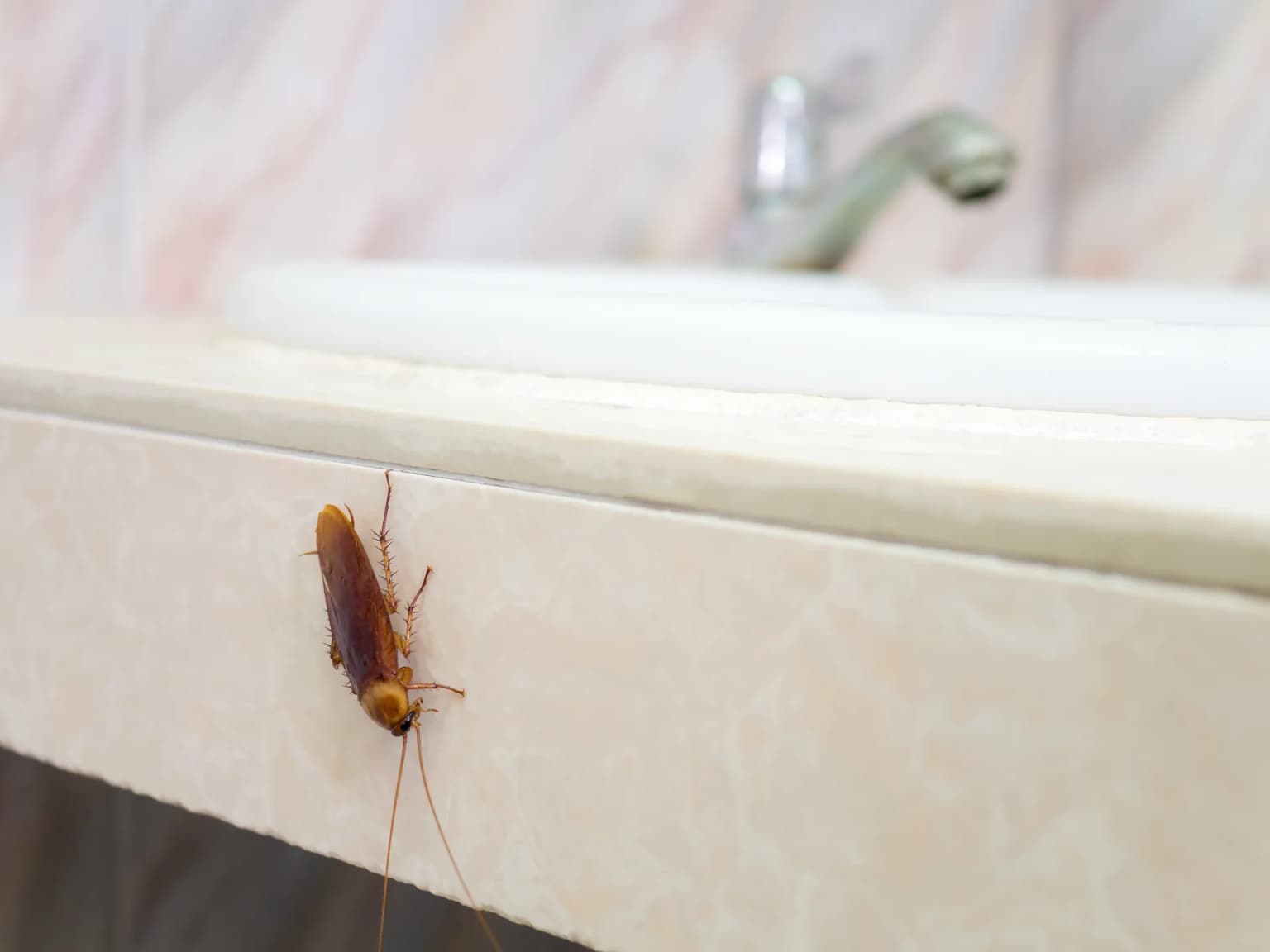
The two cockroach species we treat most in Central California behave very differently and require different approaches. German cockroaches (small, light brown, two dark stripes) are the most common in kitchens and restaurants — they reproduce rapidly, rarely leave the building, and develop resistance to insecticides quickly. A single female produces up to 30,000 offspring in a year. American cockroaches (large, reddish-brown) come up through drains and sewer systems, especially in older structures in Salinas, Monterey, and San Jose. They're easier to control but re-infest from outdoor sources if entry points aren't sealed.
How Professional Cockroach Treatment Works
Effective cockroach treatment combines multiple tools targeting different aspects of the population:
- Gel bait placement — Protein-based gel bait (Advion, Maxforce) is applied in small dots in crevices, behind appliances, under sink ledges, and inside cabinets. Cockroaches feed on it, return to the harborage, and die — transferring the toxicant to other colony members via secondary kill.
- Insect Growth Regulator (IGR) — Hydroprene or pyriproxyfen disrupts juvenile development and prevents nymphs from reaching reproductive maturity, collapsing population growth.
- Dust applications — Diatomaceous earth or silica gel is applied inside wall voids, under appliances, and in electrical areas where liquid products cannot go safely. Dust provides months of residual activity.
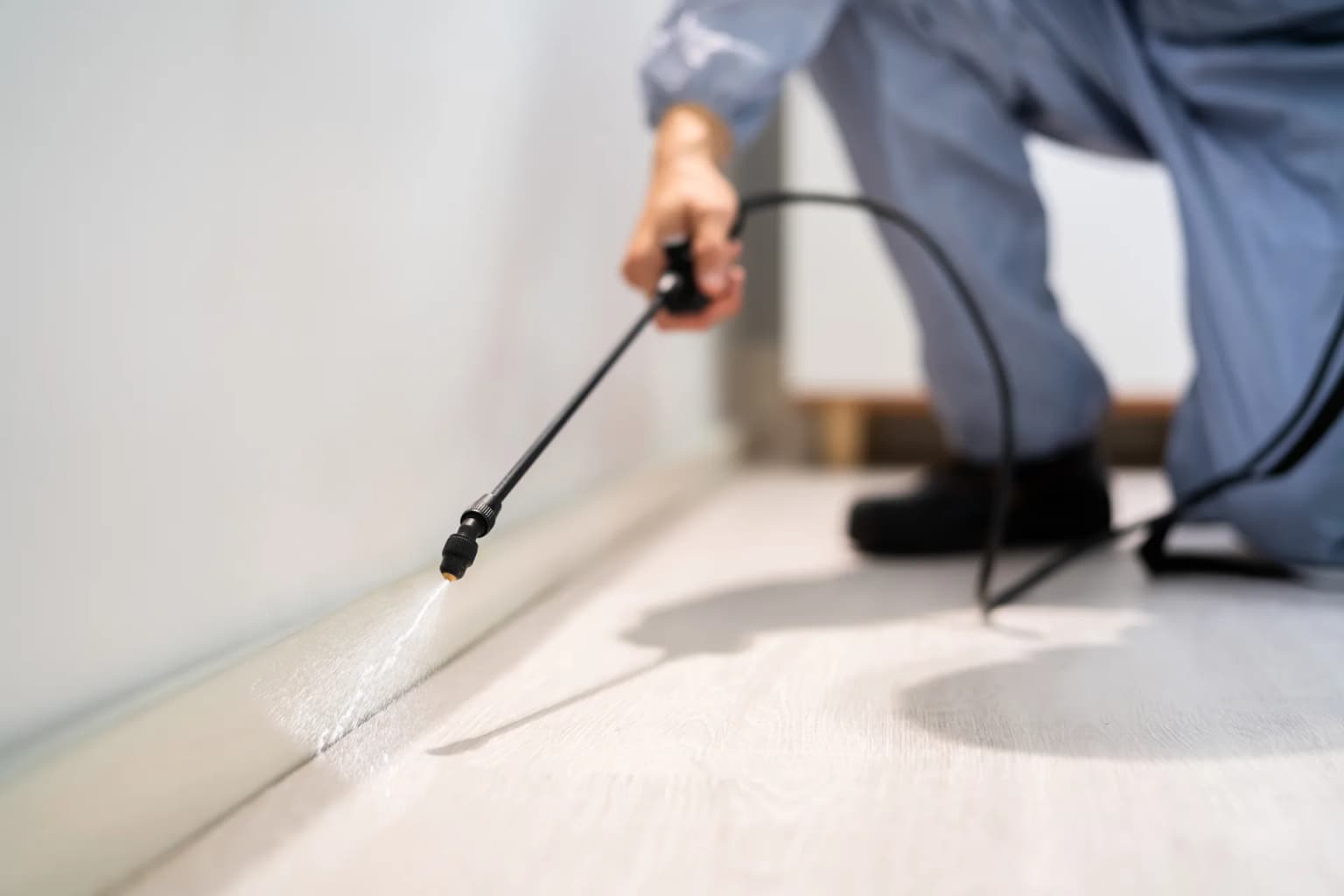
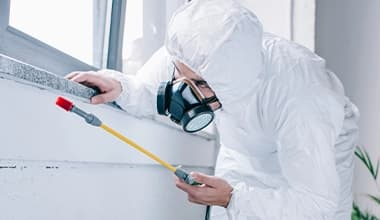
- Crack and crevice treatment — A low-volume pyrethroid applied to known harborage areas (expansion joints, plumbing penetrations, cabinet hinges) kills cockroaches on direct contact.
- Exclusion — We seal gaps around pipes, drain penetrations, and any entry from the sewer system, especially in older properties.
The Restaurant and Commercial Reality
German cockroach infestations in commercial kitchens are among the most difficult pest problems we handle. The combination of warmth, moisture, food residue, and constant delivery activity creates ideal conditions. We work with Salinas Valley restaurants, Monterey food service operations, and San Jose commercial kitchens on integrated pest management (IPM) programs that combine monthly monitoring with targeted treatment and sanitation documentation required for health inspection compliance. A restaurant with a cockroach problem needs a program, not a one-time spray.
What to Expect from Treatment
For a home with a moderate German cockroach infestation, you'll typically see a significant reduction within 1–2 weeks and complete elimination within 4–6 weeks if sanitation is maintained. For severe infestations or large German cockroach populations, two treatments 3–4 weeks apart are usually required. American cockroach activity from sewer sources requires the simultaneous application of drain treatments and entry-point sealing — without addressing the source, activity will continue.
Pro Tip
Cockroach populations are dramatically reduced when you eliminate harborage sites: remove cardboard boxes (prime harborage), fix dripping faucets, seal food in airtight containers, and empty trash daily.
Related Resources
Frequently Asked Questions
How long does cockroach treatment take to work?
Gel bait begins killing cockroaches within 24–72 hours as foraging individuals contact it and carry the toxicant back to the harborage. Expect significant reduction in 1–2 weeks and full elimination in 4–6 weeks for most infestations.
Do I need to leave my home during treatment?
Generally no. Gel bait and dust applications don't require vacating. If we're doing a crack-and-crevice liquid treatment, we'll ask you to stay out of the treated areas for 2–4 hours until surfaces dry.
Why do I keep seeing cockroaches at night even after treatment?
Cockroaches are nocturnal and most active at night. Seeing them in the first 1–2 weeks after treatment is normal and expected — they're encountering the treatment. If activity is still heavy after 3 weeks, contact us for a follow-up assessment.
Can cockroaches come back after treatment?
Yes, if re-introduction pathways exist — deliveries, plumbing connections, shared walls in multi-unit buildings. In apartments, re-infestation from neighboring units is common. We recommend a quarterly maintenance program for persistent situations.
Are cockroach treatments safe for food prep areas?
We apply all products per label instructions and avoid direct application to food contact surfaces. Gel bait is applied in small dots inside cabinets and behind appliances, not on countertops. Food and dishes should be stored or covered before treatment.
Written by
101 Exterminators Inc.
CA Licensed Structural Pest Control · SPCB Lic. #9119 · Serving Central California since 2005
The 101 Exterminators team has been treating homes and businesses across Monterey, Santa Cruz, San Benito, and Santa Clara counties since 2005. Our technicians hold California SPCB Branch 2 and Branch 3 licenses and draw on 20+ years of real-world pest management experience in Central California.