

101 Exterminators Inc.
CA Licensed Structural Pest Control · SPCB Lic. #9119
Vacation rental properties in Carmel-by-the-Sea, Monterey, Santa Cruz, and Capitola face disproportionately high bed bug risk because each guest turnover is a potential introduction event — a single traveler carrying bed bugs from a previous stay can establish an infestation that survives dozens of subsequent guests before anyone notices. A confirmed bed bug complaint on Airbnb or VRBO triggers platform review, mandatory temporary delisting, and can result in 1-star reviews that take months of clean bookings to overcome. The hosts who avoid this outcome have a consistent inspection and prevention protocol between every stay — not a reactive plan they figure out when something goes wrong.
Why Vacation Rentals Are High-Risk for Bed Bug Introduction
Bed bugs (Cimex lectularius) are almost exclusively transported by human activity — they hitchhike in luggage, clothing, and personal belongings between locations. A hotel, vacation rental, or even a friend's couch where bed bugs are present can introduce a few bugs into a traveler's bag without the traveler ever knowing. The incubation period before a guest notices an infestation is typically 2–6 weeks, which means the guest who introduced the bugs may have checked out months before the infestation becomes visible. The tourism-heavy markets of Carmel, Pacific Grove, Monterey, Santa Cruz, and Capitola attract guests who travel frequently — business travelers, conference attendees, international tourists, and vacation regulars who book multiple rentals per year. Frequent travelers carry statistically higher exposure risk than occasional travelers simply because they've slept in more hotel rooms and rental units in any given year. A Carmel rental that books 150–200 nights per year is a 150–200 introduction opportunities per year. This doesn't mean bed bugs are inevitable — it means the probability compounds over time without a prevention protocol. Hosts who treat it as a "it won't happen to me" problem eventually become hosts who lose a peak-season booking weekend to emergency treatment.
The Guest-to-Guest Transfer Mechanism
Understanding how bed bugs move between guests helps explain which prevention steps actually matter. Bed bugs do not live on people — they live in the sleeping environment and feed only at night when a host is stationary. After feeding, they retreat to harborage sites in seams of mattresses, box spring fabric, the gap between the headboard and the wall, inside nightstand drawer tracks, behind electrical outlet faceplates, and in the piping of upholstered furniture. When an infested traveler checks into a vacation rental, bed bugs in their luggage may crawl out during the night and begin exploring the room. If any bugs find the mattress and adjacent harborage sites suitable, they establish. They don't leave when the guest leaves — they wait for the next sleeping host. If the unit is turned over quickly (as most vacation rentals are), the cleaning crew's visual inspection rarely catches early-stage harborage, and the next guest checks into an infested bed. The critical insight for hosts: the standard vacation rental cleaning procedure (sheets washed, surfaces wiped, floor vacuumed) does virtually nothing to detect or prevent bed bugs. Bed bug prevention requires a separate, deliberate inspection protocol that is distinct from the cleaning routine.
Did You Know
A single mated female bed bug introduced to a new environment can establish a full infestation. It takes only one bug to start a problem — which is why early detection through consistent inspection matters far more than reactive treatment.
What Hosts Should Inspect Between Every Stay
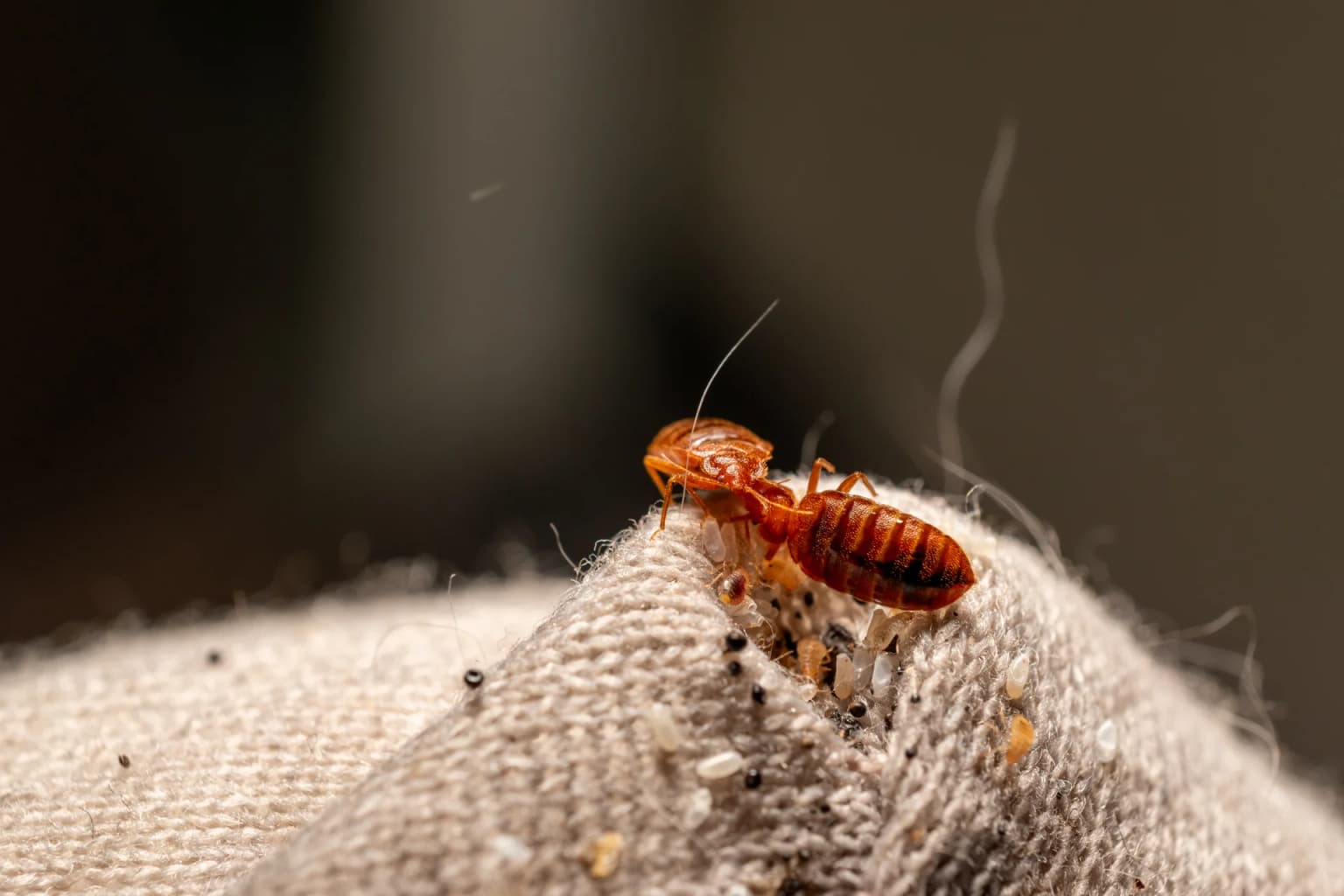
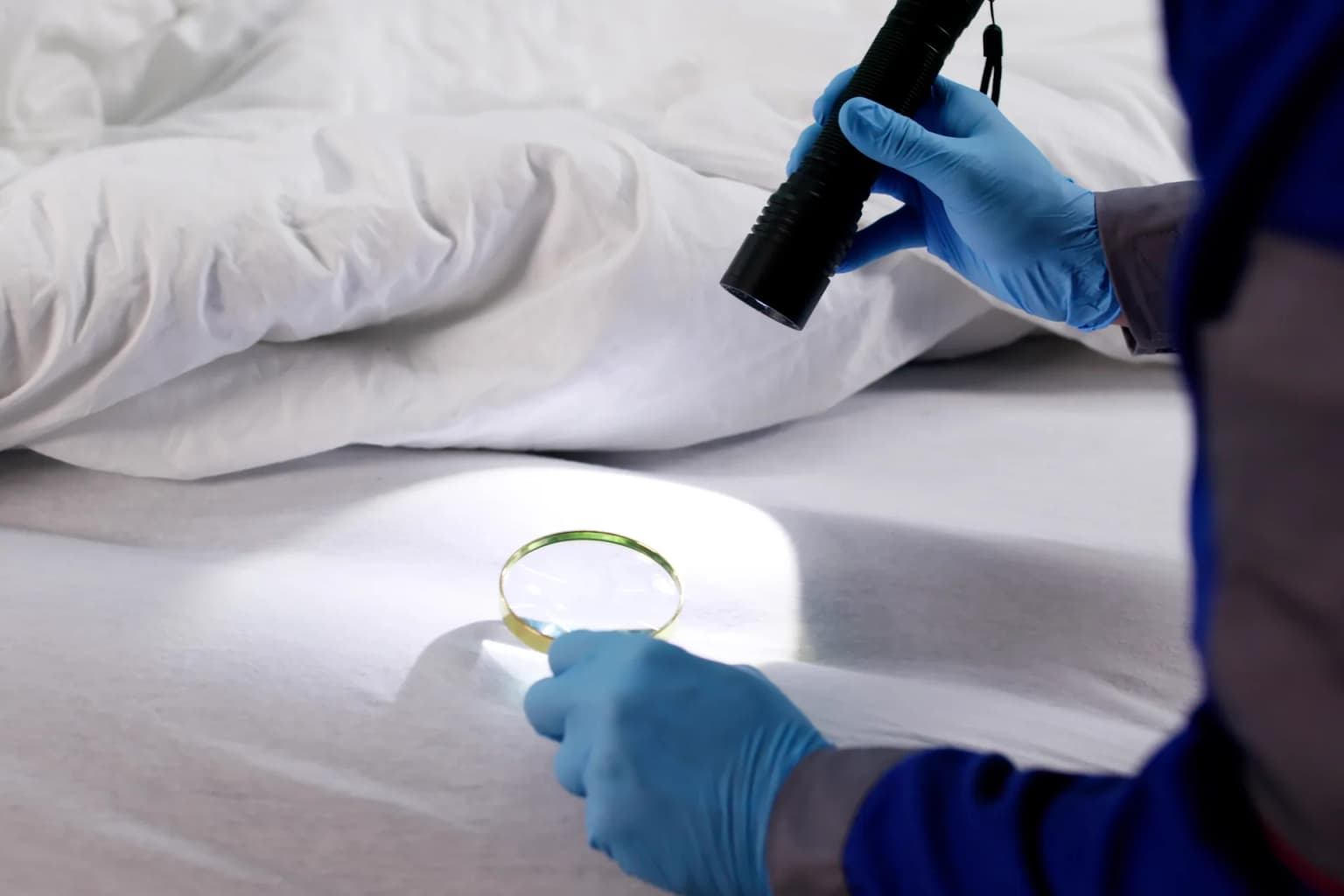
A thorough bed bug inspection between guest stays takes 10–15 minutes and focuses on the harborage sites where bed bugs actually live. This is different from the cleaning inspection — it requires a flashlight, a thin credit card or stiff card for probing seams, and a systematic approach: Mattresses: Strip all bedding and examine the mattress seams, piping, and tufts with a flashlight. Look for live bugs (apple-seed sized, flat, reddish-brown), shed skins (translucent yellow-brown husks the same shape as a live bug), fecal spots (small dark smears or dots, almost like ink spots, that don't wipe off cleanly), and blood smears on the fabric. Check the underside of the mattress and the top surface of the box spring. Headboard and bed frame: Headboards are among the highest-probability harborage sites because they offer warmth, proximity to the host, and shelter. Use the card to probe the gap between the headboard and the wall. Examine all screw holes, joints, and the back surface of upholstered headboards. Nightstands and dressers: Open every drawer and examine the interior corners and drawer tracks with a flashlight. Check behind and beneath the furniture. Bed bugs don't need much space — a gap wider than a credit card is sufficient harborage. Upholstered furniture: Any upholstered chair or sofa in the bedroom requires examination of the seams and any folds or tufts. In studio or open-plan units, a sofa bed or pull-out couch is particularly high-risk.
Laundry and Linen Protocol That Actually Works
Heat is the most reliable bed bug kill mechanism available to hosts without professional equipment. Bed bugs die at 120°F (49°C) sustained for 20 minutes, and standard residential dryer cycles reach 130–135°F. This means the laundry protocol matters — the washing machine does not kill bed bugs; the dryer does. The correct protocol: strip all bedding (sheets, pillowcases, duvet cover, mattress pad) and place directly into a sealed plastic bag at the unit rather than carrying loose bedding through common areas. Transport the sealed bag to the laundry area. You may wash on any setting, but the critical step is a full dryer cycle on HIGH heat for a minimum of 30 minutes for a standard load, 45 minutes for heavier items like duvet inserts or blankets. Do not remove items from the dryer to "check" partway through — this resets the heat kill timer. Bedding that cannot be laundered (decorative throw pillows, dry-clean-only items) should either be removed from the rental unit entirely or stored in a bed-bug-proof sealed bag between guest stays. Decorative throw pillows on beds are a well-documented transfer surface — guests frequently toss them onto upholstered chairs or sofas, creating a cross-contamination pathway.
Pro Tip
Buy the cheapest possible white duvet inserts and swap them at scheduled intervals. White fabric makes fecal spotting and blood smear evidence immediately visible during inspection. Avoid dark-colored or patterned bedding in rental units — it conceals early-stage evidence.
Mattress Encasements and Furniture Protection
Mattress encasements are a meaningful prevention tool, but only if the right type is used and installed correctly. Standard waterproof mattress protectors do not protect against bed bugs. You need encasements that are specifically labeled "bed bug proof" — these completely encase the mattress (all six sides, no gap) and are made from a tightly woven fabric that bed bugs cannot penetrate or bite through. Brands like SafeRest, Protect-A-Bed AllerZip, and CleanRest Pro are reliable options. The benefit of an encasement for hosts is twofold: it eliminates the mattress seams and piping as harborage sites (forcing any introduced bugs to remain on the exterior where they're easier to detect) and it protects the mattress from damage if a treatment ever becomes necessary (encased mattresses can be treated and reused; unencased mattresses with bed bugs present are typically discarded). Encase both the mattress and the box spring. A properly installed encasement lasts 2–5 years with normal use. Check the zipper closure and seams at each turnover — a torn encasement is useless and should be replaced immediately. For box springs, also consider replacing them with solid platform beds entirely; a solid base eliminates one of the most common harborage sites in vacation rental bedrooms.
Responding to a Guest Bed Bug Report: Immediate Steps
If a guest contacts you claiming to have found bed bugs, the response in the first 24 hours determines how bad the outcome gets. The wrong response is denial or delay. The right response is immediate, documented, professional. Step 1: Thank the guest for reporting, acknowledge the concern, and assure them you're taking it seriously. Do not dispute the claim or speculate about whether they brought the bugs themselves — this leads to platform disputes that you will almost certainly lose, because platforms default to protecting guests. Step 2: Remove the unit from availability immediately. Do not accept new bookings until the unit has been professionally inspected and cleared. A second affected guest is exponentially worse than a temporary revenue loss. Step 3: Contact a licensed pest control company within 24 hours to schedule an inspection. Save all communication with the guest, including photos they share, timestamps, and any correspondence through the platform. Step 4: If the inspection confirms bed bugs, document everything — the inspector's written report, the treatment dates, the clearance documentation. This protects you in any platform dispute or guest claim. Most platforms require documented professional treatment before they will reinstate a listing after a confirmed bed bug complaint. Step 5: Once the unit is cleared, conduct a pre-booking inspection yourself before the next guest check-in.
Important
Do not have the cleaning crew attempt to "treat" a suspected bed bug situation with over-the-counter sprays. Consumer bed bug sprays are largely ineffective and can scatter bugs deeper into walls and furniture, making professional treatment harder and more expensive.
Professional Inspection and Treatment Options for Rental Properties
Vacation rental properties benefit from a different service model than residential homes. Rather than a single reactive treatment, hosts should consider a scheduled inspection program — a professional inspection every 60–90 days regardless of whether a complaint has been received. Early detection is far cheaper than a full treatment: a professional catching a small early-stage harborage requires only localized treatment, while a full infestation requiring heat treatment or multiple chemical treatments costs substantially more. For confirmed infestations in vacation rental units, heat treatment is the preferred option for two reasons: it eliminates all bugs and eggs in a single treatment day (no return visits required), and it allows the unit to return to service the same evening after the heat dissipates — typically 6–8 hours after treatment completion. Chemical treatments require 2–3 visits over 2–4 weeks and have a re-entry period of 4–6 hours after each application. We offer inspection-and-certification programs for vacation rental hosts in Monterey, Santa Cruz, and Carmel-by-the-Sea — a quarterly scheduled inspection with written clearance documentation that you can provide to guests or platforms as needed. Call (831) 500-1613 to discuss scheduling.
Frequently Asked Questions
How quickly do bed bugs spread in a vacation rental from one guest to the next?
Bed bugs introduced by one guest can establish harborage sites within their first night in the unit. By the time the next guest checks in, established bugs will feed on the new guest during their first night. The spread is effectively immediate from a guest-experience standpoint — but it takes 4–8 weeks for a colony to grow large enough that evidence (fecal spotting, shed skins) becomes obvious during a casual inspection. This lag between introduction and detection is why regular professional inspections catch problems that routine cleaning never will.
Should I close my listing if a guest reports bed bugs?
Yes — immediately remove the unit from availability. Do not accept any new bookings until a professional inspection has been completed and the unit has been cleared or treated. Booking a second guest into a potentially infested unit creates a second complainant, a second platform incident, and doubles your potential liability. The revenue loss from a 3–7 day gap in bookings is far less than the reputational and financial damage from two confirmed complaints in the same 30-day window.
How long after bed bug treatment can guests check in?
Re-entry timing is set by the product label and the method used, and the technician who treats the unit gives you the specific interval for that job before leaving the property — it is not a number we can quote in advance. Heat treatment generally allows a shorter turnaround than a chemical application, which is why operators who need the unit back in service tend to ask about it first. Either way, a chemical protocol usually runs 2–3 visits over 2–4 weeks, and the unit is not clear until that cycle is finished.
Do mattress encasements prevent bed bugs?
Bed-bug-proof encasements (not standard waterproof protectors) prevent the mattress itself from becoming a harborage site and make existing infestations inside the mattress contained and unable to feed. They do not prevent bed bugs from being introduced to the room or from using other harborage sites (headboard, furniture, baseboard). Encasements are one layer of protection, not a complete solution — they work best in combination with regular inspection and proper laundry protocol.
Written by
101 Exterminators Inc.
CA Licensed Structural Pest Control · SPCB Lic. #9119 · Serving Central California since 2005
The 101 Exterminators team has been treating homes and businesses across Monterey, Santa Cruz, San Benito, and Santa Clara counties since 2005. Our technicians hold California SPCB Branch 2 and Branch 3 licenses and draw on 20+ years of real-world pest management experience in Central California.