

101 Exterminators Inc.
CA Licensed Structural Pest Control · SPCB Lic. #9119
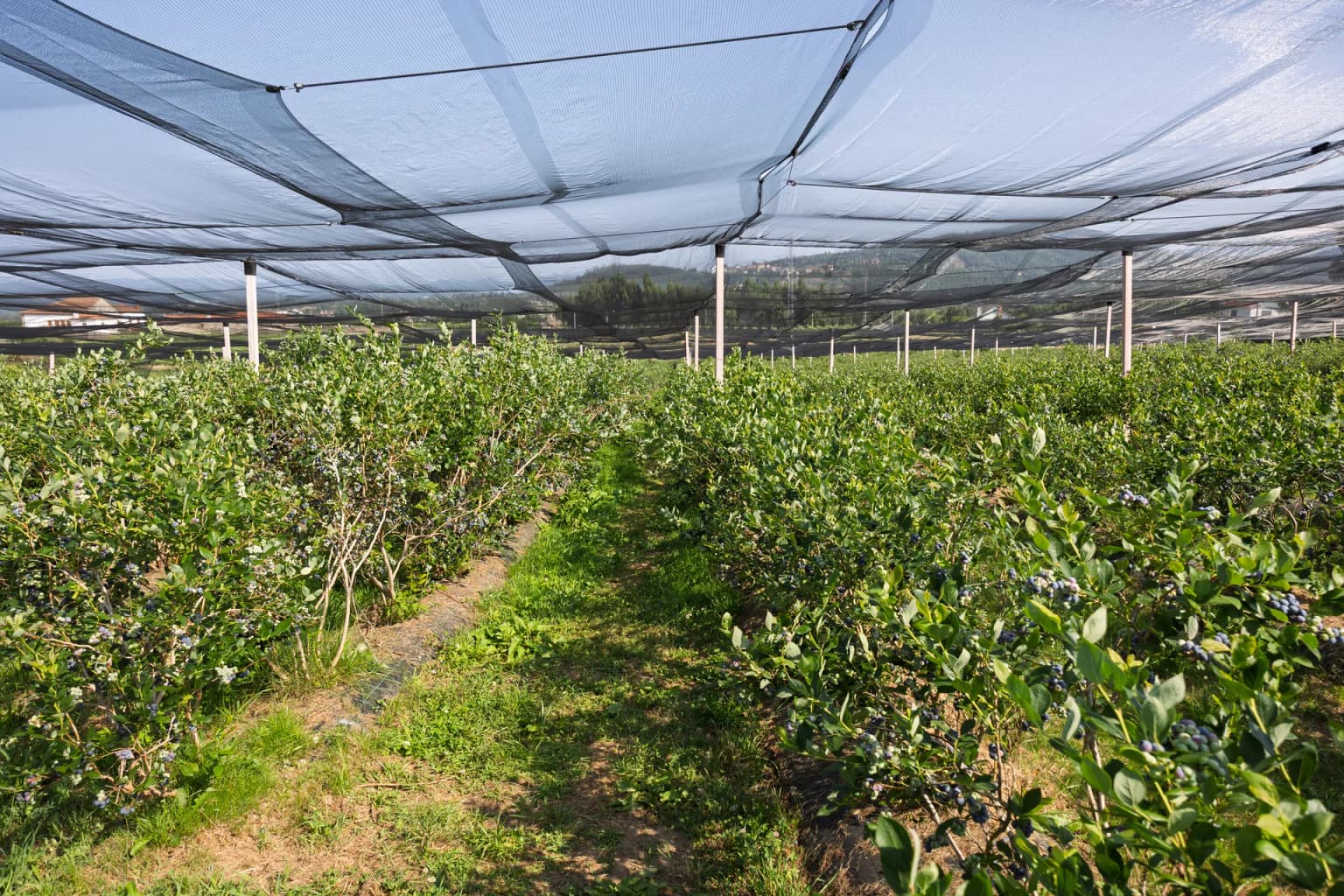
Salinas Valley has some of the highest residential gopher pressure in California because its deep, loose, moisture-retaining agricultural loam is textbook ideal pocket gopher habitat — the same soil qualities that make it the world's most productive vegetable-growing region also make it the easiest soil for Botta's pocket gophers (Thomomys bottae) to tunnel through. Homeowners in east Salinas, Gonzales, Soledad, King City, and Greenfield — particularly those whose properties border agricultural fields — face a recurring cycle: field gophers enter yards during planting and harvest disturbances, establish tunnel systems, and damage irrigation lines, tree roots, and landscape plants faster than homeowners can keep up.
Why Salinas Valley Has the Worst Gopher Pressure in California
The Salinas Valley floor is composed of deep alluvial loam deposited over millennia by the Salinas River — soil that is loose, well-aerated, moisture-retaining, and nutrient-rich. From a Botta's pocket gopher's perspective, this is paradise. They can tunnel through it with minimal effort, find food (roots, bulbs, corms) in extraordinary abundance, and maintain their subterranean tunnel systems with very little maintenance energy. Compare this to the hardpan clay soils found in much of the San Joaquin Valley, or the rocky, shallow soils of coastal hills — gophers exist there too, but tunneling is energetically expensive and populations are lower. On the Salinas Valley floor, a single acre of residential or agricultural land can support 5–15 individual gophers in separate tunnel systems, with each tunnel network spanning 200–2,000 square feet. The second factor is agricultural adjacency. The Salinas Valley's residential areas are interlocked with active farmland in a way that's unusual even for California's agricultural regions. Many Salinas neighborhoods in east Salinas have residential lots whose back fences border active row crop fields. Gonzales, Greenfield, and King City are small cities effectively surrounded by farmland on multiple sides. This means residential gopher populations are not isolated — they're in constant genetic and geographic contact with agricultural gopher populations that number in the hundreds of thousands.
Botta's Pocket Gopher: Biology and Behavior
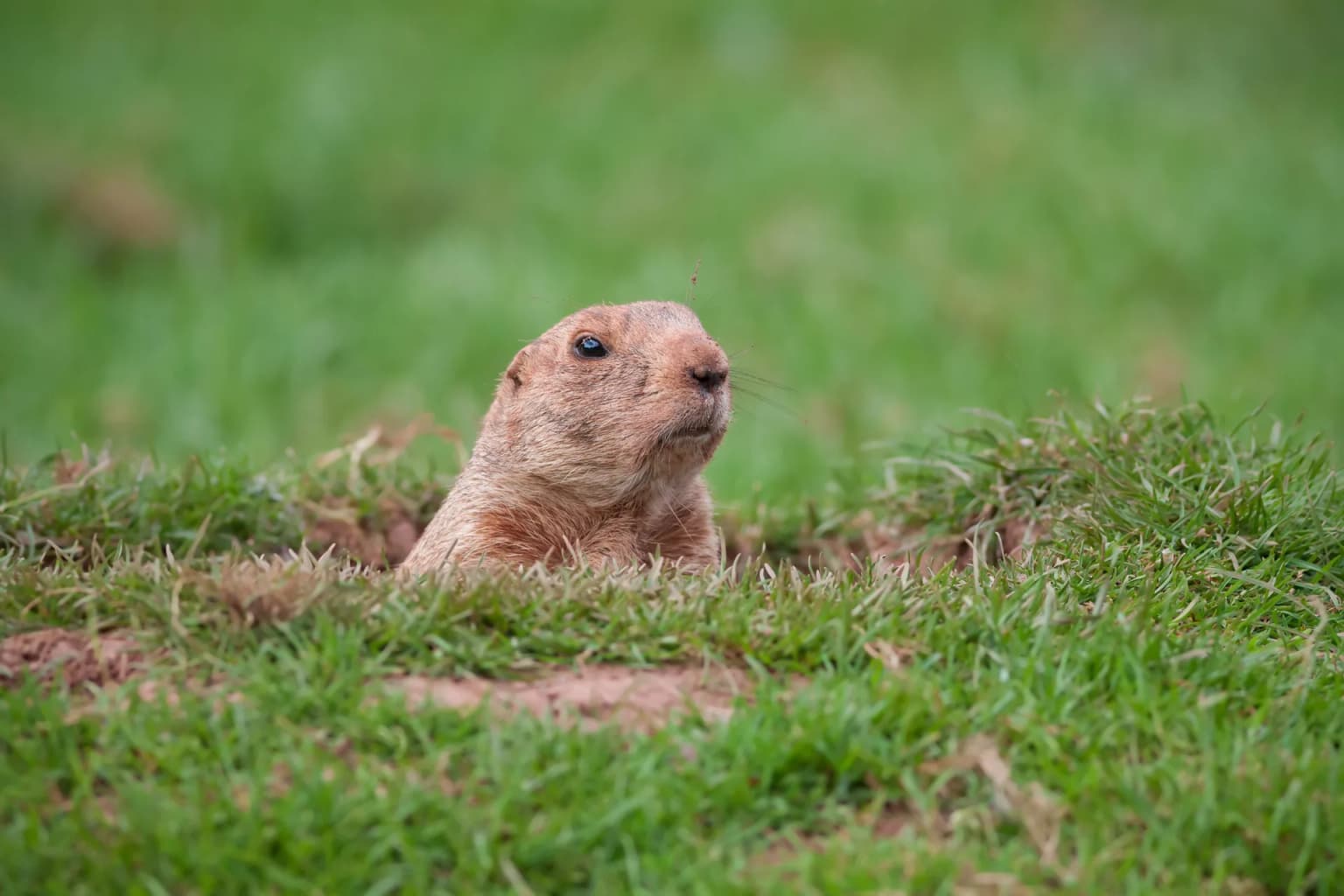
Botta's pocket gopher (Thomomys bottae) is the dominant species throughout the Salinas Valley and is among the most broadly distributed mammals in California. They are solitary and highly territorial — adults maintain and defend individual tunnel systems and rarely tolerate other gophers in their territory except during the brief breeding season. This solitary behavior is important for understanding control: eliminating one gopher from a territory does not mean the problem is solved, because the vacated territory will be colonized by a neighboring gopher or offspring within 2–6 weeks if the tunnel system remains intact. Botta's pocket gophers are named for their fur-lined external cheek pouches, which they use to carry food back to underground larders. They are almost entirely herbivorous, feeding primarily on plant roots, tubers, and bulbs encountered while tunneling, and occasionally pulling surface vegetation down into the tunnel from below. A homeowner may notice plants disappearing from the ground up — suddenly wilting as their root system is severed — or being pulled underground without explanation. Activity is year-round in the Salinas Valley's mild climate. They are most active underground at dawn and dusk but are not strictly diurnal or nocturnal — they operate on a tunnel-maintenance and feeding cycle that's more tied to soil temperature and moisture than daylight. Fresh mounds (the characteristic fan-shaped soil piles with a plugged lateral entrance hole) are the primary surface evidence; a single gopher can push up 6–10 mounds in a 24-hour period during active tunneling.
Identifying Gopher Damage vs Mole vs Ground Squirrel
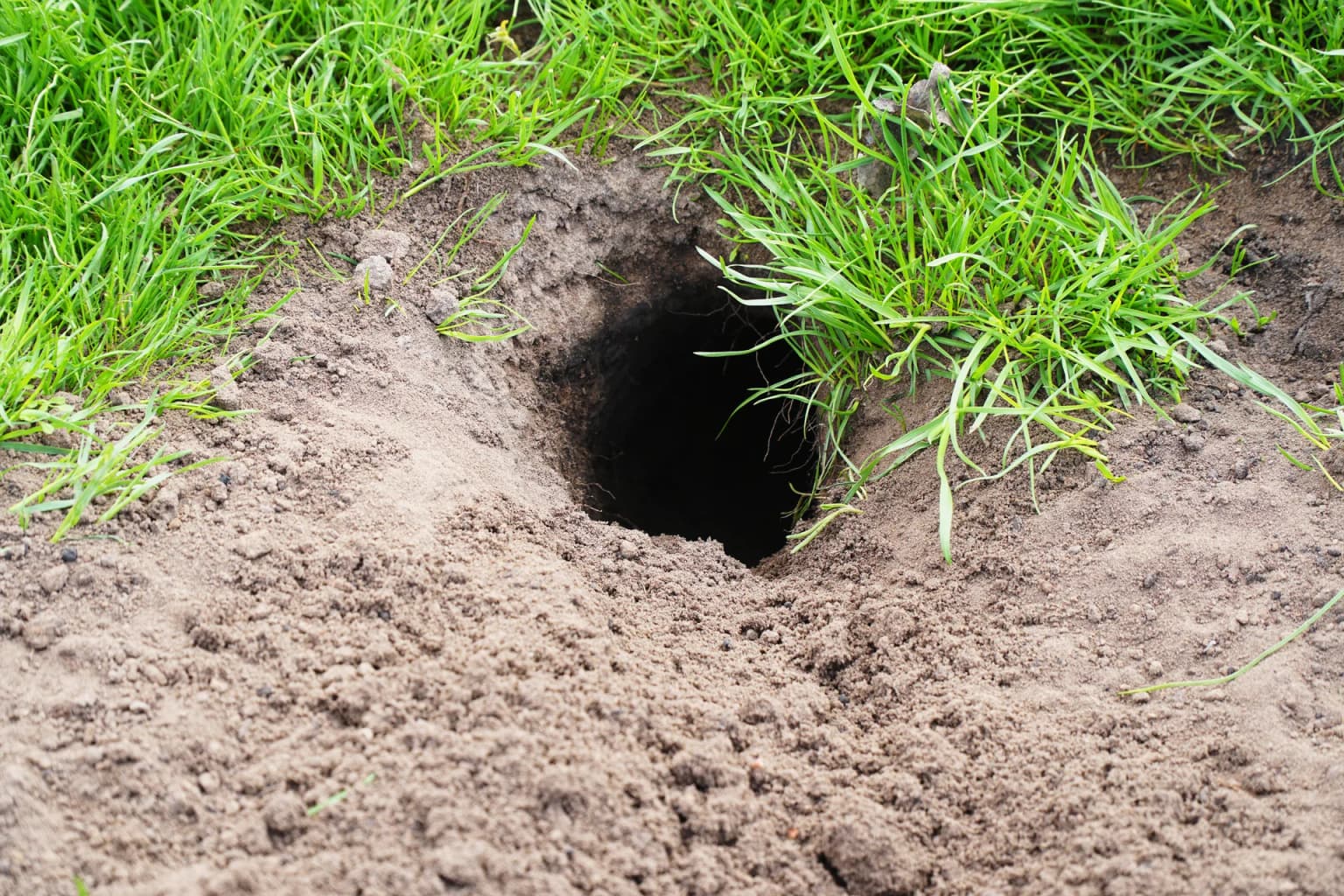
Gophers are frequently confused with moles and ground squirrels, and the treatment for each is different. Accurate identification before treatment is essential. Gopher mounds are fan-shaped or crescent-shaped, with a plugged lateral entry hole visible off to one side of the mound. The plug is often darker and slightly depressed compared to the surrounding mound. Mounds are typically 12–24 inches in diameter and 2–4 inches high. There is no open hole — gophers keep their burrow systems plugged at all times. Root damage (severed drip irrigation lines, wilting plants with eaten root balls) is a consistent secondary indicator. Mole mounds, by contrast, are more circular or conical, pushed up from a center point (like a miniature volcano), with no visible entry plug. Moles are insectivorous — they eat earthworms and grubs, not plant roots — so their tunneling damages plants by root disruption rather than consumption. Moles are present in the Salinas Valley but less common than gophers in residential areas. The Carmel Valley, with its heavier clay soils and lush lawn areas, has more mole activity relative to gopher activity than the valley floor. Ground squirrels dig open burrow entrances (no plug) that are typically 4–6 inches in diameter, often at the base of a shrub, fence line, or slope. Ground squirrel damage to plants is primarily above-ground (gnawed stems, eaten leaves, stripped bark) rather than root consumption. Ground squirrels are also social — you'll see multiple entrances clustered in one area.
Pro Tip
If you're unsure what you're dealing with, send us a photo of the mound and any plant damage to (831) 500-1613. Correct identification is the first step to effective treatment — the tools and methods for gophers, moles, and ground squirrels are completely different.
Seasonal Invasion Patterns: When Agricultural Pressure Peaks
Residential gopher infestations in Salinas Valley follow a predictable seasonal pattern driven by agricultural field management cycles. Understanding this pattern lets homeowners anticipate problems and act proactively. Spring planting (February–April): When fields are disked, tilled, and planted in early spring, the mechanical disruption of existing gopher tunnel systems displaces large numbers of gophers from their established territories. Displaced individuals move in all directions — including toward adjacent residential properties where the soil is undisturbed and food is available. Properties on the agricultural border typically see a sharp increase in new gopher activity in March and April. Summer growing season (May–July): Gopher pressure in yards tends to stabilize as field populations settle into their growing-season routines. This is often the quietest period for residential complaints, though activity continues year-round. Harvest (August–October): Harvest operations in Salinas Valley are among the most intensive in the world — mechanical harvesting of lettuce, broccoli, cauliflower, strawberries, and other crops displaces gophers from fields on a massive scale. Late summer and early fall are the peak residential invasion period. Homeowners on agricultural-border lots in east Salinas and Gonzales can expect new mound activity in August–September even if the summer was relatively quiet. Post-harvest field preparation (October–December): A second displacement event occurs when spent fields are disked under in preparation for the next planting cycle. This pushes another wave of gophers outward from the fields in fall.
Treatment Methods: Trapping, Bait, and Exclusion
Effective gopher control in Salinas Valley requires a strategy matched to the property situation. For residential yards with an active infestation not adjacent to active farmland, mechanical trapping is the most reliable initial approach. Gopher-specific traps (Macabee or Cinch traps) are placed directly in the main tunnel run — not in the lateral push-out tunnels. Proper trap placement requires probing the soil around the mound with a metal rod to locate the main horizontal tunnel (typically 6–10 inches below the mound), opening the tunnel, and setting traps in pairs facing both directions. Traps are checked and reset every 24–48 hours. For properties with persistent reinfestation pressure from adjacent agricultural land, trapping alone is a holding action — it controls the population on your property but the surrounding reservoir continuously replaces eliminated individuals. In these situations, a perimeter bait program using diphacinone-based pocket gopher bait placed in the active tunnel system, combined with physical exclusion measures (underground gopher wire barriers, 1/2-inch hardware cloth installed vertically 24 inches deep along the fence line), provides better long-term results. For landscape beds, fruit trees, and vegetable gardens, gopher-proof wire baskets installed at planting time are the most effective protection for individual plants. These are stainless steel or galvanized 1/2-inch hardware cloth baskets placed around root balls before planting — gophers encounter the wire when tunneling toward the roots and are unable to damage them.
Did You Know
Gopher damage to drip irrigation lines is one of the most underappreciated costs in Salinas Valley. A single gopher can sever 8–12 drip emitter lines in a 200-square-foot area in a single night, going after the moisture trapped in the drip tubing. Pressure-check your irrigation system monthly during gopher season.
Protecting Irrigation Systems and Landscaping
The economic damage from gophers in Salinas Valley is disproportionately driven by irrigation system damage rather than direct plant death. A professional-grade drip irrigation system in a residential landscape represents a significant investment — and a single gopher can sever dozens of lines in a single night. The gopher is attracted to the drip line not only by the moisture it carries but also by the root activity it supports, creating a feedback loop where the irrigation system both attracts gophers and suffers the damage. For new irrigation installations in Salinas Valley, routing drip lines at 12+ inches depth where feasible, and using rigid polyethylene or PVC supply lines (rather than softer polyethylene) for the mains, reduces gnawing damage. Burying supply mains in conduit is the most reliable protection for high-value irrigation infrastructure. For established landscapes, the most important protective step is immediate response to any new gopher activity. A single gopher controlled within the first two weeks of mound appearance causes a fraction of the damage of one that's been active for a month. A standing agreement with a pest control company for rapid response whenever new mounds appear is the cost-effective approach for properties with persistent agricultural-border pressure.
Ongoing Prevention for Agricultural-Border Properties
For Salinas Valley properties on the agricultural border, annual or semi-annual reactive treatment is rarely sufficient — the invasion pressure is too consistent and too large in scale. The properties that successfully manage gopher pressure over the long term do so through a combination of physical exclusion, consistent monitoring, and rapid-response control whenever new activity is detected. A practical ongoing program for an east Salinas or Gonzales agricultural-border property: install underground exclusion fencing along the property boundary (24-inch depth, 1/2-inch hardware cloth) during a quiet season — this is a one-time investment that significantly reduces the volume of gophers that can cross the property line. Inspect the yard every 1–2 weeks during peak invasion periods (March–April and August–October) and respond to any new mounds within 48 hours. A standing service agreement with a pest control company provides the rapid-response component without requiring you to keep traps on hand and maintain the expertise to set them correctly. We provide gopher control programs specifically designed for Salinas Valley agricultural-border residential properties, including exclusion installation, seasonal treatment visits, and rapid-response scheduling. Call (831) 500-1613.
Related Resources
Frequently Asked Questions
When are gophers most active in Salinas Valley?
Gophers are active year-round in the Salinas Valley's mild climate, but surface mound activity — and residential invasion pressure — peaks in spring (February–April) during field planting operations and again in late summer and fall (August–October) during and after harvest. Properties adjacent to active agricultural fields see the sharpest increases during these periods as field disturbances displace large gopher populations toward residential areas.
Will gophers damage my foundation or underground plumbing?
Gophers rarely damage foundations or underground plumbing directly — they avoid concrete and hard materials. Their primary infrastructure damage targets are soft drip irrigation lines, tree roots, and plant root systems. However, extensive tunnel networks near foundations can contribute to soil subsidence and drainage issues over time, particularly in areas with clay subsoil underneath the surface loam. Drip irrigation lines buried at standard residential depths (4–8 inches) are routinely damaged.
What's the most effective gopher treatment for a residential yard?
For a yard without active agricultural-border pressure, mechanical trapping (Macabee or Cinch traps placed in the main tunnel run) is the most reliable and immediate method. For yards with persistent reinfestation from adjacent fields, trapping combined with underground perimeter exclusion (hardware cloth buried 24 inches along the fence line) provides the best long-term result. Ultrasonic deterrents, castor oil granules, and other repellent products have no reliable efficacy data for pocket gophers — they are not recommended.
Do gophers come from the surrounding agricultural fields?
Yes — for properties adjacent to Salinas Valley farmland, most new residential gopher infestations originate from field displacement events during planting and harvest. Field gopher populations in Salinas Valley are enormous — a single large lettuce or broccoli field can support hundreds of individual gophers. When mechanical tillage disrupts tunnel systems, displaced gophers radiate outward from the disturbance in all directions, and residential properties with unprotected yard soil are an attractive destination.
Written by
101 Exterminators Inc.
CA Licensed Structural Pest Control · SPCB Lic. #9119 · Serving Central California since 2005
The 101 Exterminators team has been treating homes and businesses across Monterey, Santa Cruz, San Benito, and Santa Clara counties since 2005. Our technicians hold California SPCB Branch 2 and Branch 3 licenses and draw on 20+ years of real-world pest management experience in Central California.