
Rodent Management
Rodent Control in Hayward, CA
101 Exterminators handles rodent control in Hayward by sealing the building first and trapping second — a California-licensed approach under SPCB Lic. #9119, in business since 2005. Roof rats own the tree canopy and creek corridors here, working the San Lorenzo Creek channel and the drainages off the Cal State East Bay hillside, then dropping onto roofs from the mature ornamentals in Hayward's older neighborhoods. Traps on their own just make room for the next one to move in.
Warning Signs
Signs You Need Rodents Service in Hayward
Our program combines three components: (1) Exclusion — sealing gaps in foundations, pipe penetrations, vents, and roof eaves using hardware cloth, copper mesh, foam sealant, and sheet metal as appropriate. (2) Trapping — placement and monitoring of snap traps, live traps, and glue boards in active areas. (3) Exterior bait stations — tamper-resistant bait stations positioned along perimeter rodent runways for ongoing population management.
Droppings along walls, in cabinets, behind appliances, or in attic insulation
Gnaw marks on wiring, wood, plastic pipes, or food packaging
Grease marks along walls or baseboards — oil from rodent fur rubbed repeatedly on surfaces
Nesting materials (shredded paper, insulation, fabric) in hidden locations
Scratching or scurrying sounds in walls, ceilings, or under floors at night
Burrows in landscaping, mulch beds, or under concrete slabs
Citrus or avocado fruits with bite marks — a classic roof rat indicator
Pet acting alert at walls or cabinets when no visible cause exists
How It Works
Our Rodents Process in Hayward
Every job follows the same methodical approach — no shortcuts, no guesswork. Here is what to expect when you work with us in Hayward.
Inspection & Runway Mapping
We identify gnaw marks, runways, burrows, droppings, and grease trails to map rodent activity throughout the property — interior and exterior.
Exclusion
We seal all discovered entry points with durable materials appropriate to the opening — hardware cloth, copper mesh, sheet metal flashing, or foam sealant for smaller gaps.
Trapping & Bait Placement
Interior snap traps and exterior tamper-resistant bait stations are positioned along active runways. We monitor and service these on a schedule until activity ceases.
Follow-Up & Monitoring
We return to clear traps, replenish bait, check exclusion work, and confirm that the population has been eliminated before closing out the service.
Why 101 Exterminators
Rodents You Can Count On in Hayward
Exclusion-First Methodology
Without sealing entry points, any rodent removed will simply be replaced by another. We seal the structure before or concurrent with trapping — not as an afterthought.
No Unmonitored Poison Bait Indoors
We do not place loose rodenticide indoors where rodents can carry it to walls and die inaccessibly. Interior work uses traps with daily monitoring during active treatment.
Regional Species Knowledge
Norway rats, roof rats, and deer mice behave differently and require different approaches. We identify the species present before selecting treatment methods.
Sanitation Recommendations
After resolving an infestation, we advise on harborage removal, vegetation management, and food storage to prevent reinfestation — not just a repeat service call.
Common Questions
Rodent Control FAQs for Hayward
I hear scratching in the ceiling of my Hayward ranch house at night — what is it?
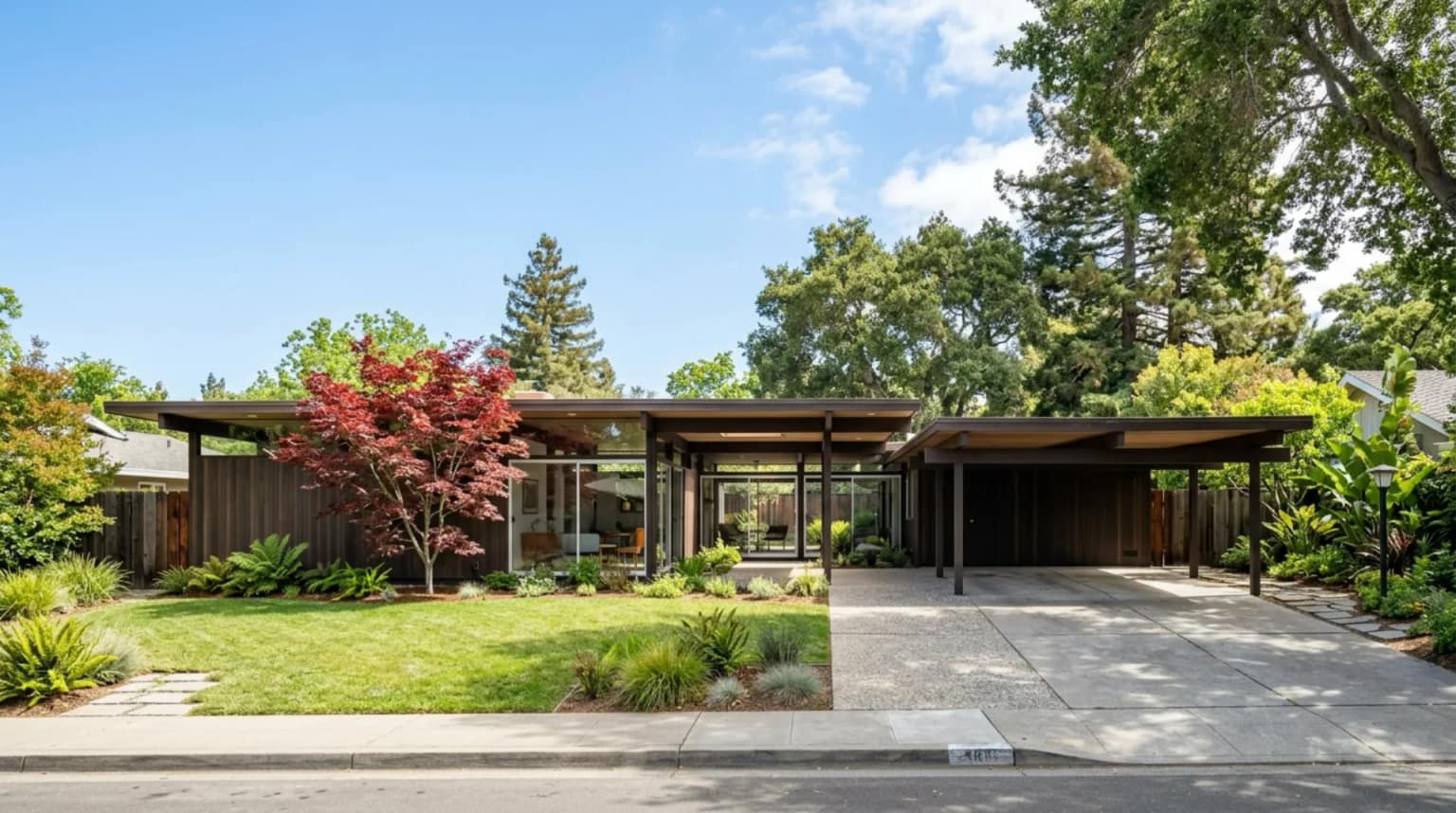
Almost always roof rats. Hayward's ranch and split-level tracts have low-slope roofs with shallow attics, and roof rats (Rattus rattus) run the ceiling joists after dark, which is exactly when the noise starts. Mice sound lighter and faster; squirrels are a daytime noise. Go outside and look for a branch or fence touching the roof and for a chewed or rusted eave vent — that is usually the entry, and closing it is the first real step.
Will trimming the trees along my Hayward property line actually keep rats out?
It helps a lot, but not on its own. Cutting branches back several feet from the roof removes the bridge roof rats use, and clearing ivy and heavy ground cover along a creek-side fence removes the cover they travel under. They will still find a rusted eave vent or the open gap over a patio-cover tie-in. Trimming plus sealing the roofline is what keeps them out; trimming alone just reroutes them to the next weak point.
Do rats come out of the Hayward Regional Shoreline marshes into nearby homes?
The shoreline side of Hayward carries more ground-level Norway rat pressure than roof rat pressure. Marsh edges, storm drains and the industrial blocks along Clawiter Road and Industrial Boulevard hold burrowing populations that move into adjacent yards, sheds and slab foundations rather than into attics. On those properties we spend our time at grade — utility penetrations, garage thresholds, crawl vents — and place exterior stations along the runways we find.
Local Pest Pressure
Common Pests We Treat in Hayward
Every area has its own pest profile shaped by climate, housing, and geography. These are the pests we see and treat most often in Hayward — tap any one to learn how to identify it and what treatment involves.
Rodent Control · Hayward
Free Pest Evaluation in Hayward
CA licensed and insured. Written estimate before any work begins. Urgent situations in Hayward are prioritized.