

Residential Pest Control
Residential Pest Control in Oakland, CA
101 Exterminators provides residential pest control in Oakland for single-family houses, flats, duplexes and in-law units, California licensed under SPCB Lic. #9119. An Oakland house rarely has one problem. The same century-old bungalow with drywood termites in the eaves usually has roof rats in the attic and Argentine ants under the kitchen sink. We handle all of it under one license.
Home maintenance
What should an Oakland homeowner check each season to keep pests out?
Work around two turns of the weather: the November rains and the dry summer that ends with Oakland's warmest month, September. About 39 percent of Oakland homes predate 1940, so vents, door seals and exterior wood wear out on a schedule of their own. A short checklist at each turn keeps water away and openings closed.
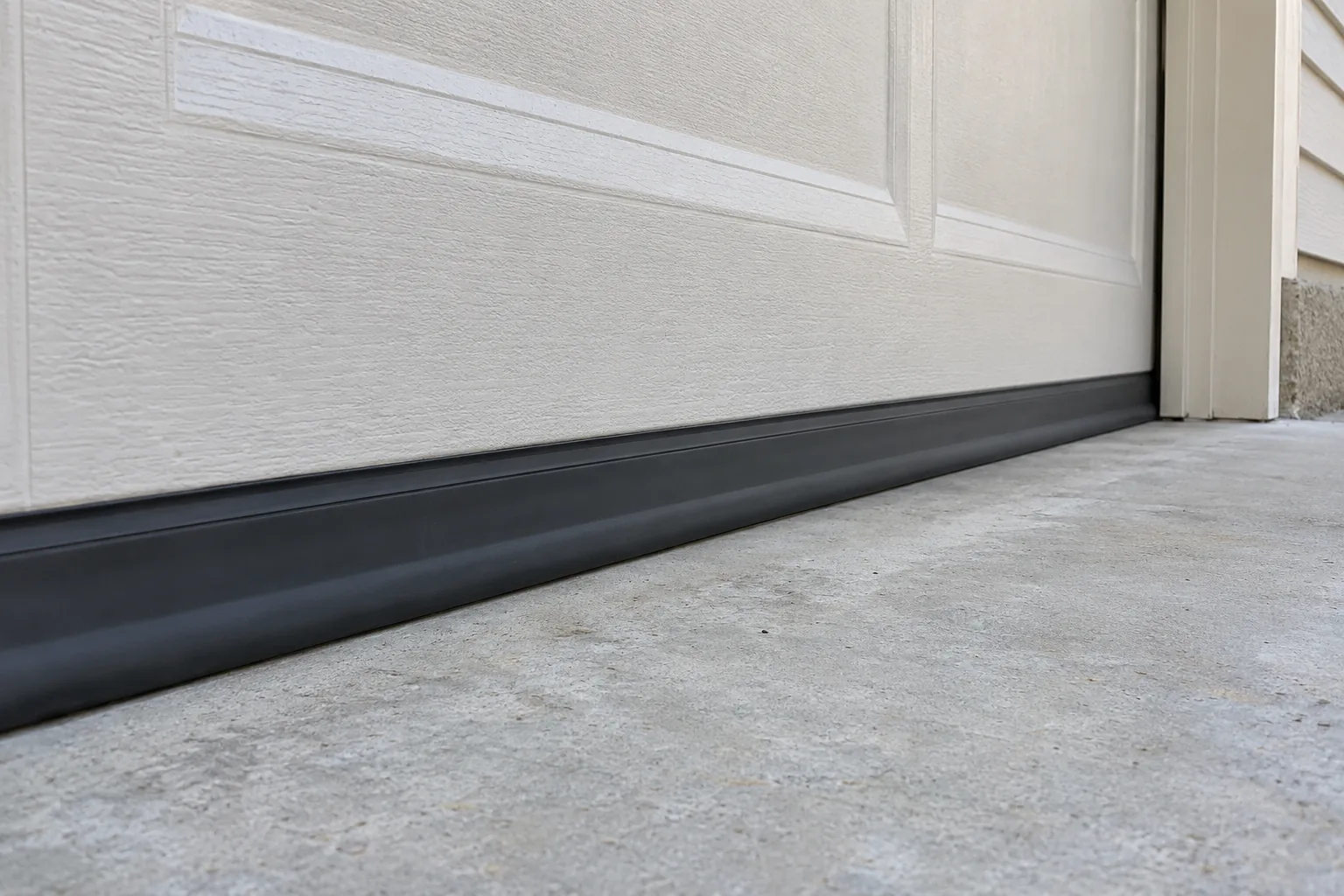
October: gutters, drains and vents
Clean gutters, check that downspouts reach the drain or an extension, and clear hillside swales. Walk around the foundation and replace torn vent screens with the 1/2-inch galvanized mesh UC IPM specifies. Close gaps over 1/4 inch.
Winter: check the low spots after storms
After a big December or January storm, look at the lowest part of the yard, the basement or garage floor and any underfloor area. Note where water stands or comes in, and plan the drainage fix for spring when the soil dries.
Spring: cut back vines and shrubs
UC IPM recommends removing climbing plants from buildings and leaving 2 feet between shrubs and walls. Ivy and jasmine grow fast on Oakland fences and porches. Cut them off the house after the rains stop in April.
Summer: paint and seal exterior wood
Use the dry months to repaint bare trim, porch rails and window sills, as UC IPM advises for exterior wood. Oakland gets almost no rain from June through August, so paint cures and caulk sets well.
Every few years: book an inspection
UC IPM suggests a professional termite inspection every three to five years. With a median build year of 1952 and many homes far older, a regular inspection catches damage in Oakland framing while the repair is still small.
When to do it
Use October and April as the two checkpoints, and save paint and caulk work for the dry summer.
Maintenance guidance: UC IPM: Rats
Warning Signs
When to Ask About Residential Pest Control in Oakland
General pest maintenance, termite inspections and treatment, rodent exclusion, bed bug treatment, ant and wasp management, bird netting, and crawl space work are available as separate scopes. A formal WDO report for a real estate transaction is a paid inspection. Tell us which problem or document you need before we propose a visit.
Any pest activity that is recurring despite over-the-counter products
New home purchase — establish a baseline inspection and maintenance program
Home has been vacant for an extended period — pest activity increases in unoccupied structures
Multiple pest problems occurring simultaneously — common in homes without a prevention program
How It Works
What to Expect from Residential Pest Control in Oakland
Tell us what you have seen, where in the home it appears and whether it is a new or recurring problem. We can discuss the right first visit.
Property Walk-Through
We walk the property with you — exterior perimeter, interior, garage, any crawl space or attic concerns — and discuss what pest pressures your specific home faces.
Tailored Service Plan
We recommend the services that actually make sense for your property — not a generic package. A maintenance program, a one-time treatment, or a combination.
Scheduled Treatment
We confirm the appointment and agreed work before the visit. Ask what treatment record or written findings will be provided for the service you book.
Ongoing Support
Questions between visits? Call us. If activity returns, we review it with you under the follow-up terms of your service plan.
Why 101 Exterminators
Why Choose 101 Exterminators for Residential Pest Control in Oakland
Several Scopes in One Place
Ask us about pest treatment, structural pest inspections, and related crawl space work in one conversation. Each proposed service has its own scope.
Local Expertise
The plan starts with the pest signs and access at your property, whether the home is in a coastal neighborhood or an inland valley.
Plan-Specific Follow-Up
If activity returns between scheduled visits, contact us. Any included re-service terms are handled according to the written service plan.
Common Questions
Residential Pest Control FAQs for Oakland
Do I need separate companies for termites and general pests on my Oakland house?
No. Termite work is performed under a California structural pest license and general service is ongoing maintenance, but one licensed company can carry both, and in Oakland that has a practical payoff. The technician who is under your bungalow doing rodent exclusion is the one who notices the mud tube on a pier or the frass under the porch beam. A single file also means the crawl-space photos already exist when escrow asks for them.
I just bought a Craftsman in Glenview. What should get looked at first?
Start under the floor and in the attic, because those two drive almost everything else in an Oakland bungalow. In the crawl space we look for earth-to-wood contact, moisture, a missing ground cover and any subterranean termite tubes. In the attic we look for rodent runways in the insulation, open vents and drywood evidence in the rafters. The exterior pass that follows covers the tree touching the roof, the fascia line, and the fence and garage wood.
Does residential service cover a converted basement or in-law unit in Oakland?
It should, and we ask about it on the first visit. Basements dug out under West Oakland Victorians and in-law units built beneath hillside houses have their own entries at grade, their own plumbing penetrations and often a separate kitchen, so they carry pressure the main floor never sees. Treating the upper unit while ignoring the ground-level one is the most common reason ants or roaches keep reappearing in a two-level Oakland property.
Local Pest Pressure
Common Pests We Treat in Oakland
Every area has its own pest profile shaped by climate, housing, and geography. These are the pests we see and treat most often in Oakland — tap any one to learn how to identify it and what treatment involves.
Residential Pest Control · Oakland
Schedule Service in Oakland
Tell us what you have found and where. If you're new to us, start a recurring plan and we'll take 10% off your first service.