
Redwood City Termite Control
Redwood City Termite Control — Peninsula South Specialists
Redwood City has been the San Mateo County seat since 1856 and was the first city in the county to incorporate, in May 1867. It also runs from the oldest built ground on the Peninsula to some of the newest. Downtown and the blocks around Mount Carmel, Edgewood and Centennial hold pre-1940 houses whose original framing has had eighty years or more of drywood termite exposure. Redwood Shores, out on the bay side, was filled in the 1960s over Leslie Salt evaporation ponds and sits about seven feet above sea level, where the problem is groundwater, subterranean colonies and rodents out of the marsh. Almost 44 percent of the city's area is water. 101 Exterminators inspects and treats across all of it under SPCB License #9119.
Local Intelligence
Understanding Redwood City
Effective pest control begins with understanding the specific conditions that drive pest activity in your area. Here is what shapes the pest landscape in Redwood City.
Climate & Weather
The "Climate Best By Government Test" arch downtown comes from a slogan contest a local resident won in 1925, and the survey behind it was real: a pre-World War I climatological comparison placed Redwood City alongside the Canary Islands and the North African coast. What matters for pest work is what that warmth does. The hills to the west block most of the marine layer that keeps Daly City and Pacifica cool, so summer afternoons here run hot, and the record high of 110°F was set as recently as September 6, 2022. Rainfall averages about 20.5 inches a year, nearly all of it between November and March. Drywood swarmers fly August through October, at the hottest end of the local calendar; subterranean swarms arrive with the rains, February through May.
Housing Stock
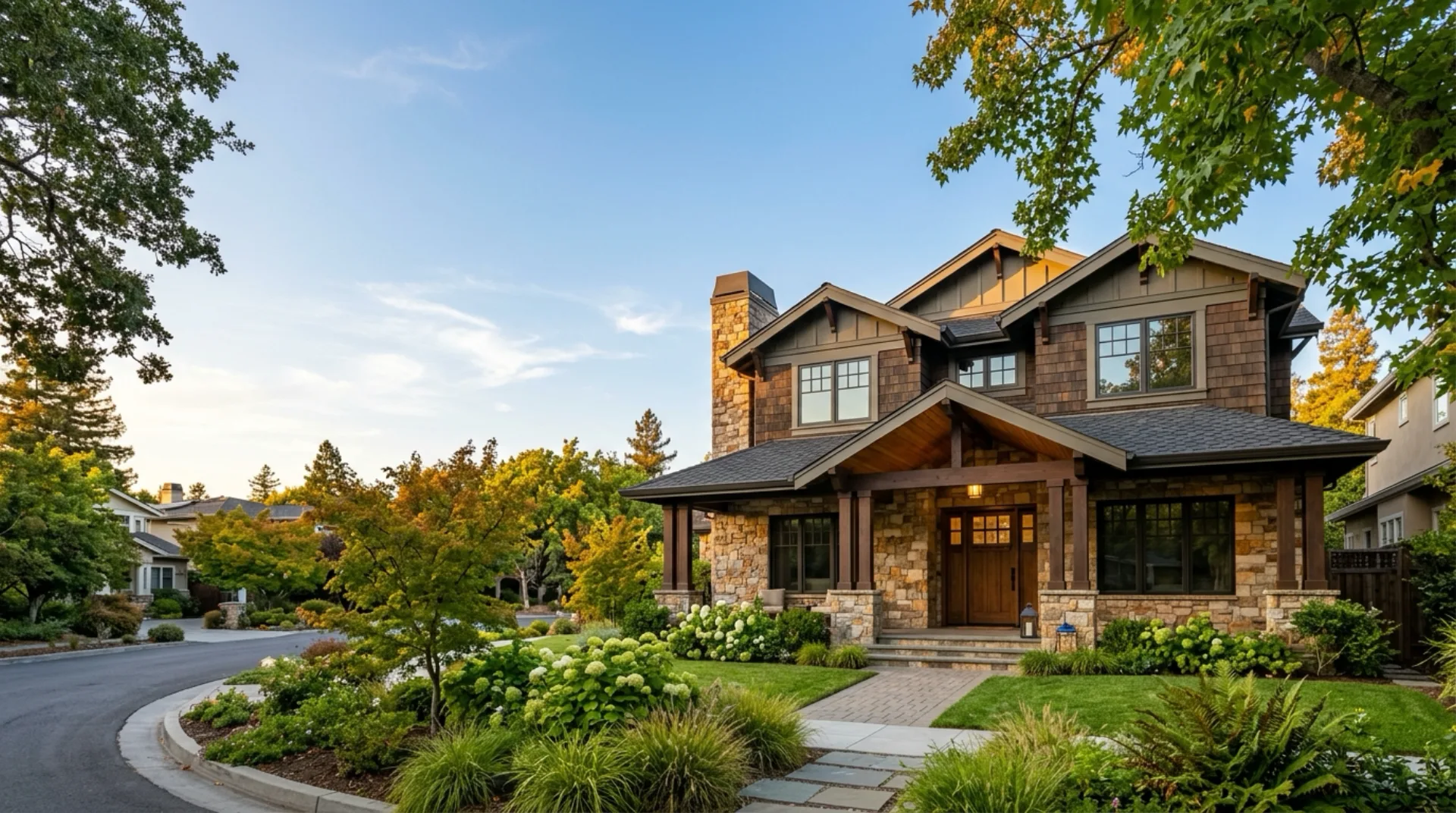
North and west of downtown, the Mount Carmel, Edgewood and Centennial blocks have pre-1940 houses on raised foundations, with the original redwood and fir framing still in the walls and attics and crawl spaces a technician can work in. Post-war tract housing spreads south and east from there. Farm Hills and Woodside Plaza went up mostly between the 1950s and the 1970s on the hillside side of town. Redwood Shores is the outlier: a 1960s planned community built on bay mud and former salt-evaporation ponds, with lagoons threaded through it and groundwater close to the slab. Termite species, foundation type and inspection access all change between those four.
Geography & Landscape
Redwood Creek and Westpoint Slough drain the eastern half of the city into the bay, and the Port of Redwood City, the only deepwater port on the bay south of San Francisco, sits at the end of that channel. Bair Island Ecological Preserve and the Don Edwards refuge wrap the shoreline in tidal marsh, which means a permanent food and cover source for rodents directly against residential blocks. Downtown sits at about 20 feet of elevation and Redwood Shores at about seven, so the two halves of the city do not share a water table. West of the freeway the ground climbs toward Emerald Hills and Woodside into dry oak and chaparral, and that edge sends roof rats and yellowjackets downhill every late summer.
Pest Pressure
Drywood termites are the most common finding in the pre-1940 neighborhoods, usually turning up as frass under eaves, attic rafters and window casings rather than as visible insects. Subterranean termites concentrate in Redwood Shores and the low blocks near the creek and sloughs, where damp soil sits close enough to the footings that colonies barely need to build tubes. Argentine ants are a year-round problem citywide with two clear peaks, one during the winter storms and another at the end of a long dry summer. The marsh edge is the pressure inland Peninsula cities do not have: Bair Island, Westpoint Slough and the port district hold Norway rat habitat that does not empty out seasonally. Escrow volume keeps WDO inspection demand steady through the year.
Most Active Species
Priority Pests in Redwood City
These are the pests we see most frequently — and treat most effectively — in Redwood City. Each one reflects the specific environmental conditions of this area.
20+
Years Serving Central California
A+
BBB Rating
7
Counties Covered
440+
5-Star Google Reviews
Local Questions
Redwood City Pest Control FAQs
Why does Redwood City see more drywood termite activity than the northern Peninsula?
Heat and fog, mostly. The hills west of the city block the marine layer that keeps Daly City and Pacifica cool and damp through the summer, so afternoons here run substantially warmer, and the local record high of 110°F was set on September 6, 2022. Western drywood termites (Incisitermes minor) need no soil contact and do best in dry, warm wood, which describes an attic or an eave in the Mount Carmel and Edgewood blocks from June onward. The fog-belt cities tend toward subterranean termites (Reticulitermes spp.) instead, because those colonies trade on soil moisture rather than heat.
Is Redwood Shores at risk for termites even though the houses are newer?
Yes, for a different reason than the older neighborhoods. Redwood Shores was built in the 1960s on bay mud and former Leslie Salt evaporation ponds, and it sits roughly seven feet above sea level. That keeps groundwater close to slabs and to the openings around plumbing penetrations, which is the condition subterranean termites need. The age of the wood is not the driver there. An inspection in Redwood Shores concentrates on the slab perimeter, the plumbing penetrations, planter boxes built against the foundation, and irrigation that keeps the soil line wet through the dry months.
Do you serve Emerald Hills, North Fair Oaks and the other unincorporated areas around Redwood City?
Yes. We cover Redwood City and the surrounding unincorporated communities, including Emerald Hills, North Fair Oaks and the properties along Edgewood Road. Those hillside parcels sit against dry oak and chaparral, so the calls up there skew toward roof rats, yellowjackets and drywood termites rather than the subterranean and rodent work we do on the bay side. Call (831) 500-1613 to confirm coverage for a specific address.
Nearby Service Areas
Areas We Serve Near Here
Serving Redwood City
Free Pest Evaluation in Redwood City
CA licensed and insured. Written estimate before any work begins. Urgent pest situations are prioritized.