Pest Control — Scotts Valley, CA
Scotts Valley Pest Control — Silicon Valley Suburb, Mountain Pest Dynamics
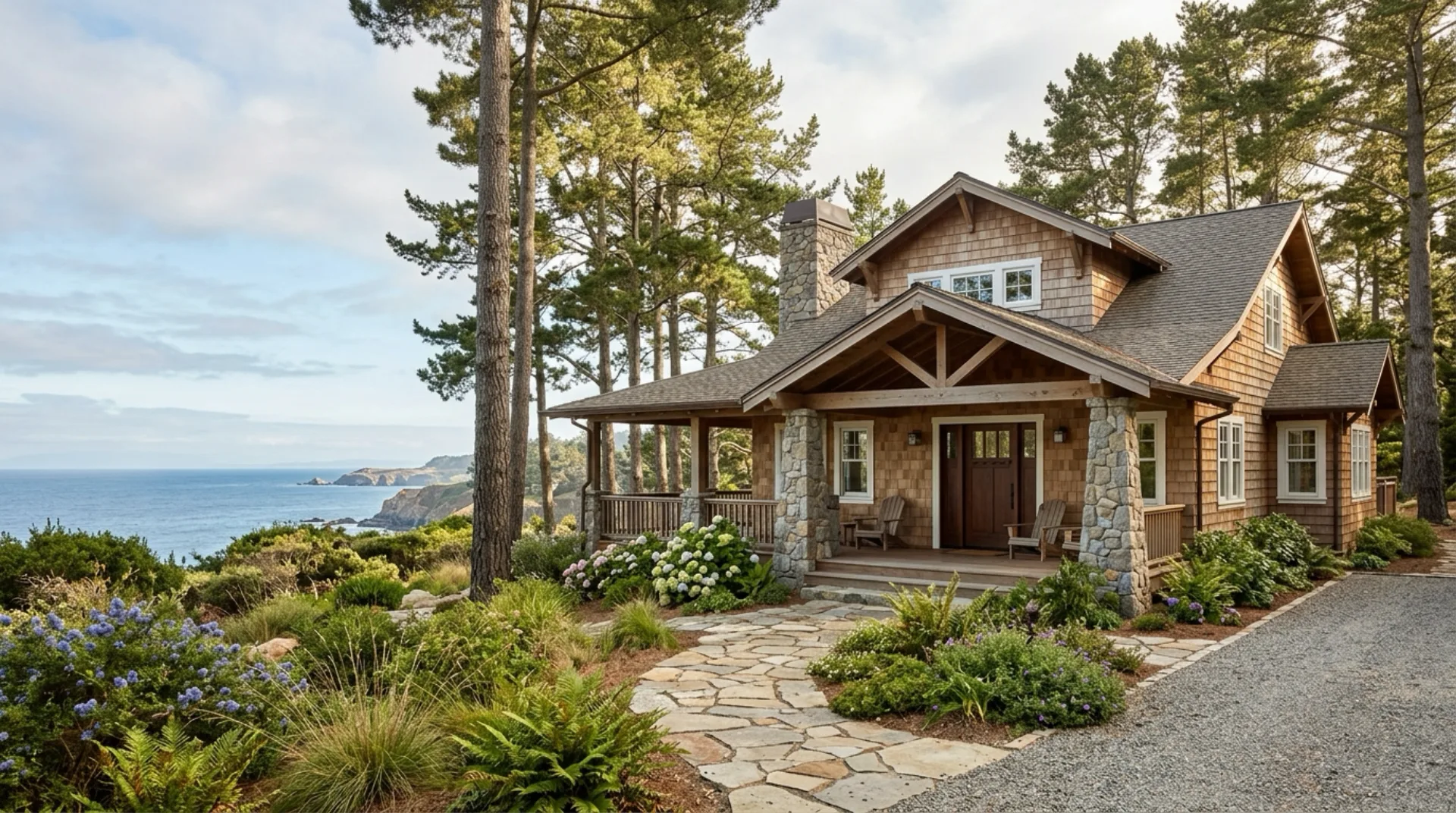
Scotts Valley sits in a valley in the Santa Cruz Mountains — a bedroom community of Silicon Valley that combines suburban development with a forested mountain environment. The redwood and Douglas fir canopy that makes Scotts Valley desirable also provides permanent roof rat habitat throughout every neighborhood. The mountain setting means pest species typical of both coastal Santa Cruz and inland Silicon Valley are active here, requiring a cross-county knowledge base.
Local Intelligence
Understanding Scotts Valley
Effective pest control begins with understanding the specific conditions that drive pest activity in your area. Here is what shapes the pest landscape in Scotts Valley.
Climate & Weather
Scotts Valley sits at 500–900 feet elevation in the Santa Cruz Mountains, giving it a climate that is warmer and drier in summer than coastal Santa Cruz city but moister than the Silicon Valley floor. Summer temperatures reach 82–90°F on warm afternoons, and the forest canopy maintains higher humidity than open suburban areas. Annual rainfall is 40–50 inches — significantly more than the coast — with precipitation events from October through April. The combination of summer warmth and winter moisture creates year-round pest activity.
Housing Stock
Scotts Valley's residential development is primarily from the 1970s through the 2000s — suburban tract homes and custom forest homes. Construction from this era has the wood-framing vulnerabilities typical of California suburban development, with crawl spaces that accumulate moisture from the high-rainfall mountain environment. Homes adjacent to forested areas or backing up to creek drainages face elevated subterranean termite and moisture pest pressure.
Geography & Landscape
Scotts Valley is bisected by Scotts Creek and its tributaries, which run year-round from the mountain watershed. The creek corridors maintain moist riparian environments that support roof rat populations through the dry summer season. The city is surrounded by redwood forest and is adjacent to Henry Cowell Redwoods State Park via connecting trails. This forest adjacency means the source populations for roof rats and wildlife pests are essentially inexhaustible.
Pest Pressure
Roof rats are the signature pest in Scotts Valley — the redwood and Douglas fir canopy provides ideal arboreal rat habitat throughout every neighborhood, and the forest edge creates continuous re-infestation pressure. Subterranean termites are active in crawl spaces given the high annual rainfall and creek-adjacent properties. Argentine ants are present throughout lower-elevation portions of the city. Wood-boring beetles (powderpost beetles) are active in redwood-adjacent homes with exposed wood decking and framing.
Most Active Species
Priority Pests in Scotts Valley
These are the pests we see most frequently — and treat most effectively — in Scotts Valley. Each one reflects the specific environmental conditions of this area.
CA
Licensed Structural Pest Control
A+
BBB Rating
7
Counties Covered
471
Google Reviews
Local Questions
Scotts Valley Pest Control FAQs
How do I stop roof rats from coming back after treatment in my Scotts Valley home?
Scotts Valley's forest canopy means roof rats will always be present nearby — the goal is exclusion, not elimination of the local population. Every gap, penetration, and entry point at the roofline must be permanently sealed with hardware cloth or sheet metal (not caulk or foam alone, which rats chew through). Tree branches within 3 feet of the structure must be trimmed. Ongoing exterior bait station maintenance manages the perimeter population. Without complete exclusion, treated properties will be re-entered within weeks.
Nearby Service Areas
Areas We Serve Near Here
Serving Scotts Valley
Schedule Service in Scotts Valley
If you're new to us, start a recurring plan and we'll take 10% off your first service. For a sale or refinance, request a separate paid WDO inspection.