

Cockroach Control
Cockroach Control in Watsonville, CA
101 Exterminators does cockroach control in Watsonville with gel bait, growth regulators, and void treatment — not surface sprays that scatter a population. German cockroaches (Blattella germanica) are what we see most here, in the downtown food corridor and in older, higher-density housing. They arrive in boxes, appliances, and through shared walls. They are not a verdict on housekeeping. SPCB Lic. #9119.
Home maintenance
How do you keep cockroaches out of a Watsonville home?
Check what comes through the door, keep the kitchen dry and close the routes inside shared walls. German cockroaches reach Watsonville homes in boxes and used appliances, then spread between units downtown through shared chases. American cockroaches climb from drains and damp ground on the valley floor. Most of your prevention happens at the door, under the sink and at the drains.
Unpack produce and supply boxes outside
Field cartons, grocery boxes and restaurant supply cases can carry egg cases. Unpack them on the porch or in the garage, move food into sealed containers and keep cardboard out of the kitchen.
Dry the sink cabinet and fridge pan
Fix slow leaks under the sink and at the dishwasher, and empty the drip pan under the refrigerator. In a busy household with several cooks, wipe up standing water each night.
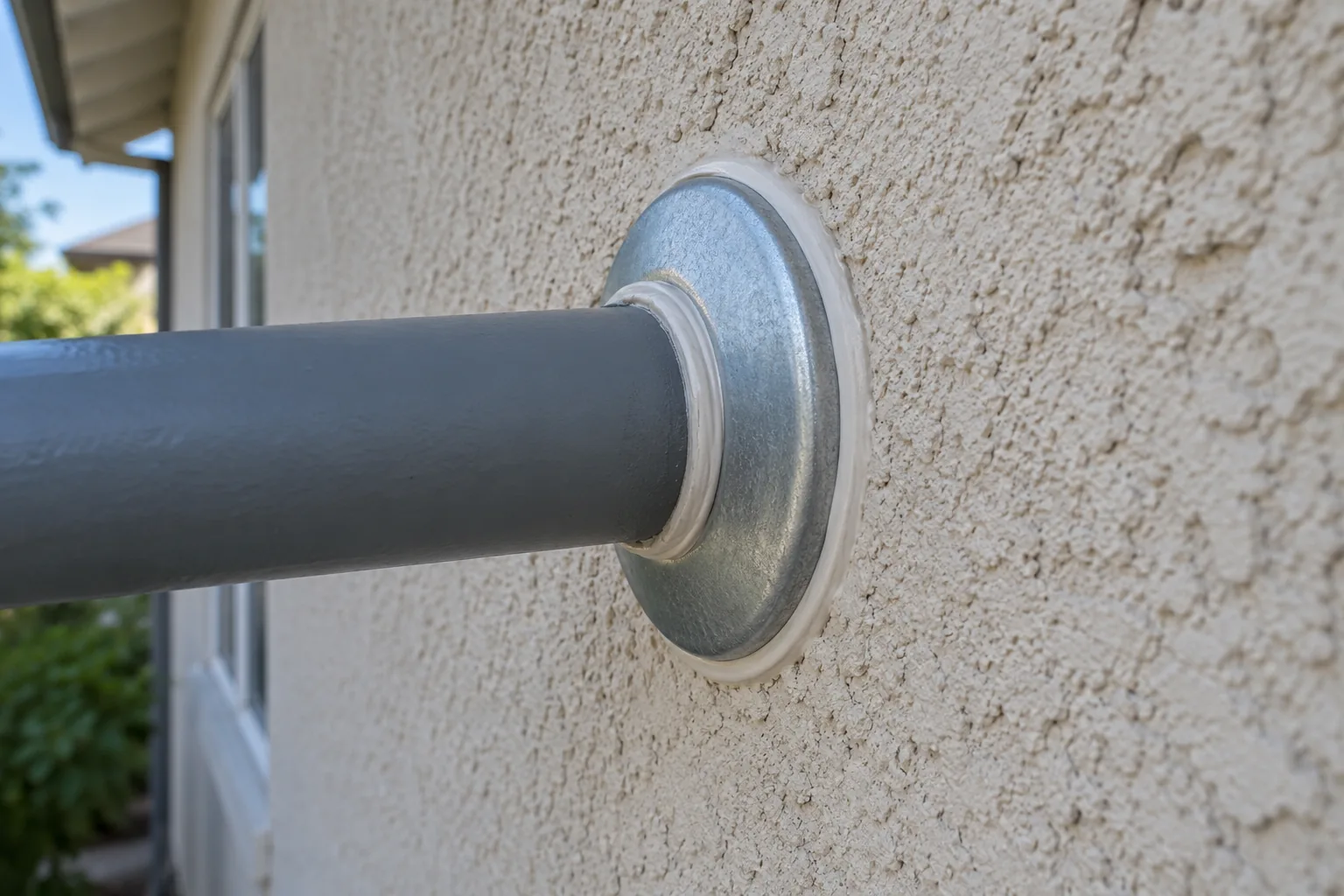
Seal pipe holes in shared walls
In downtown buildings and older apartments, gaps around pipes behind the sink, stove and toilet lead into the wall you share with the next unit. Close them with escutcheon plates or caulk.
Cover drains after storms and floods
After heavy rain near the Pajaro River and the sloughs, American cockroaches climb out of sewer lines. Keep drain strainers and cleanout caps in place, and run water into unused drains each week.
Report sightings to the owner in writing
Civil Code 1941.1 counts freedom from vermin as part of a habitable rental. A written report lets the owner inspect the whole building, including the units next to yours.
When to do it
Indoor upkeep year-round; drain covers checked each fall, before the November to March rains.
Maintenance guidance: UC IPM, Cockroaches (Pest Notes 7467)
Warning Signs
When to Ask About Cockroach Control in Watsonville
An assessment can look at the reported area, nearby food and water sources, and possible hiding places. The proposed plan may include monitoring, sanitation and leak corrections, exclusion, and targeted bait or other treatment appropriate to the species and site. If your business needs service records, name the required format before work begins.
Cockroaches seen in a kitchen, bathroom, storage area, or near a drain
Cockroach droppings (small, dark, pepper-like pellets) under sinks, behind appliances, or in cabinets
Egg cases (oothecae) — small, brown, capsule-shaped casings — in sheltered areas
Shed cockroach skins near harborage sites
Cockroach activity visible in commercial kitchen equipment, drain areas, or food storage
How It Works
What to Expect from Cockroach Control in Watsonville
Tell us where you have seen roaches and whether nearby rooms or units are affected. That helps us plan the inspection and treatment scope.
Identify the Pest and Activity
Share photos, a specimen if available, and dated sightings. An assessment can distinguish indoor breeding from outdoor entry and identify areas to inspect.
Check Food, Water, and Shelter
Look for leaks, food residue, gaps, and hiding places near the activity. Sticky monitors can help show where cockroaches are moving and provide a baseline for follow-up.
Agree on Targeted Work
Review the proposed bait, exclusion, sanitation, or other treatment, along with the rooms, preparation, and access it requires.
Review the Result
Compare sightings and monitor catches after service. If activity continues, ask whether another source, access gap, or change in the plan needs attention.
Why 101 Exterminators
Why Choose 101 Exterminators for Cockroach Control in Watsonville
Species Before Treatment
Indoor-breeding and outdoor-invading species call for different management choices. Identification helps set the scope.
Records for the Facility
Tell us what your manager or inspector asks to see, then confirm which service notes the written plan will provide.
Monitor After Service
Dated sightings and consistently placed traps help show whether activity is falling or a source remains.
Address Conditions That Sustain Activity
Food, water, shelter, and entry gaps are part of the assessment because pesticide alone may not solve the problem.
Common Questions
Cockroach Control FAQs for Watsonville
Does having cockroaches in a Watsonville apartment mean the place is dirty?
No. German cockroaches are carried in on boxes, secondhand appliances, and grocery packaging, and they move between apartments through plumbing chases and outlet boxes regardless of how clean a unit is. Spotless homes get them. Cleaning does help by limiting the food and water available, which makes bait more attractive — but sanitation alone will not clear an established population.
Why does store-bought roach spray make things worse in my Watsonville kitchen?
Because German cockroaches build resistance to pyrethroid sprays quickly, and repellent products push the survivors into new harborage instead of killing them. What you see afterward is a population spread across more of the kitchen and harder to reach. Gel bait works the other way — roaches feed on it and carry the active ingredient back into the harborage, including to nymphs that never come out.
Are the big cockroaches in my Watsonville crawl space the same as the kitchen ones?
Almost certainly not. The large reddish-brown ones, an inch and a half or longer, are American cockroaches (Periplaneta americana), and on the damp Pajaro Valley floor they live in floor drains, sewer laterals, and sub-areas rather than kitchens. German cockroaches are about half an inch with two dark stripes behind the head. The first is a moisture and drain problem; the second is a harborage and bait problem.
Local Pest Pressure
Common Pests We Treat in Watsonville
Every area has its own pest profile shaped by climate, housing, and geography. These are the pests we see and treat most often in Watsonville — tap any one to learn how to identify it and what treatment involves.
Cockroach Control · Watsonville
Schedule Service in Watsonville
Tell us what you have found and where. If you're new to us, start a recurring plan and we'll take 10% off your first service.