Published by
101 Exterminators Inc.
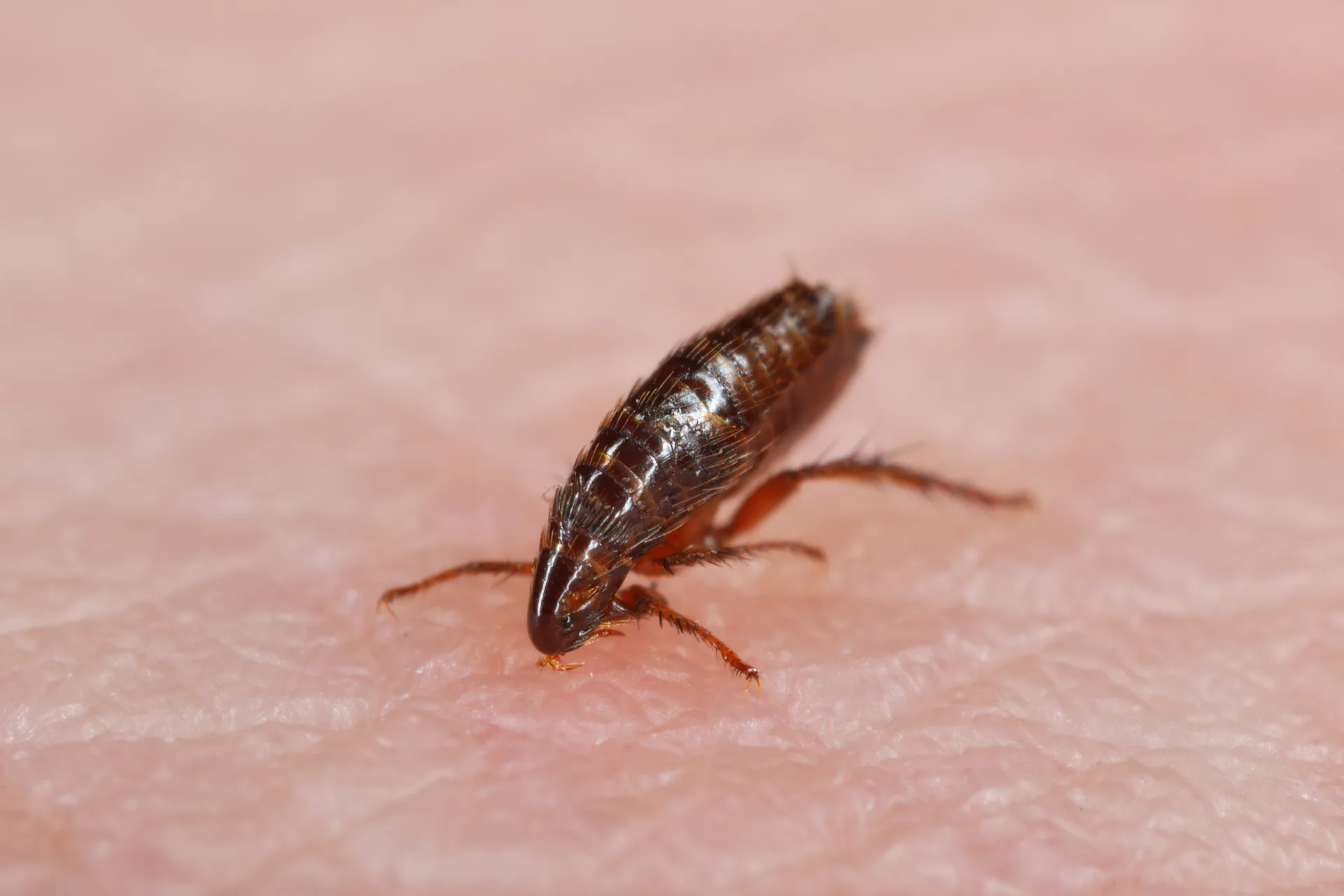
Professional flea control can bring an infestation under control, but the plan must account for fleas on pets and immature stages in their resting areas. Pupae inside cocoons can survive an initial environmental treatment. Ask how the company will monitor activity, coordinate with your veterinarian, and decide whether follow-up is needed.
Why Fleas Are Harder to Kill Than They Look
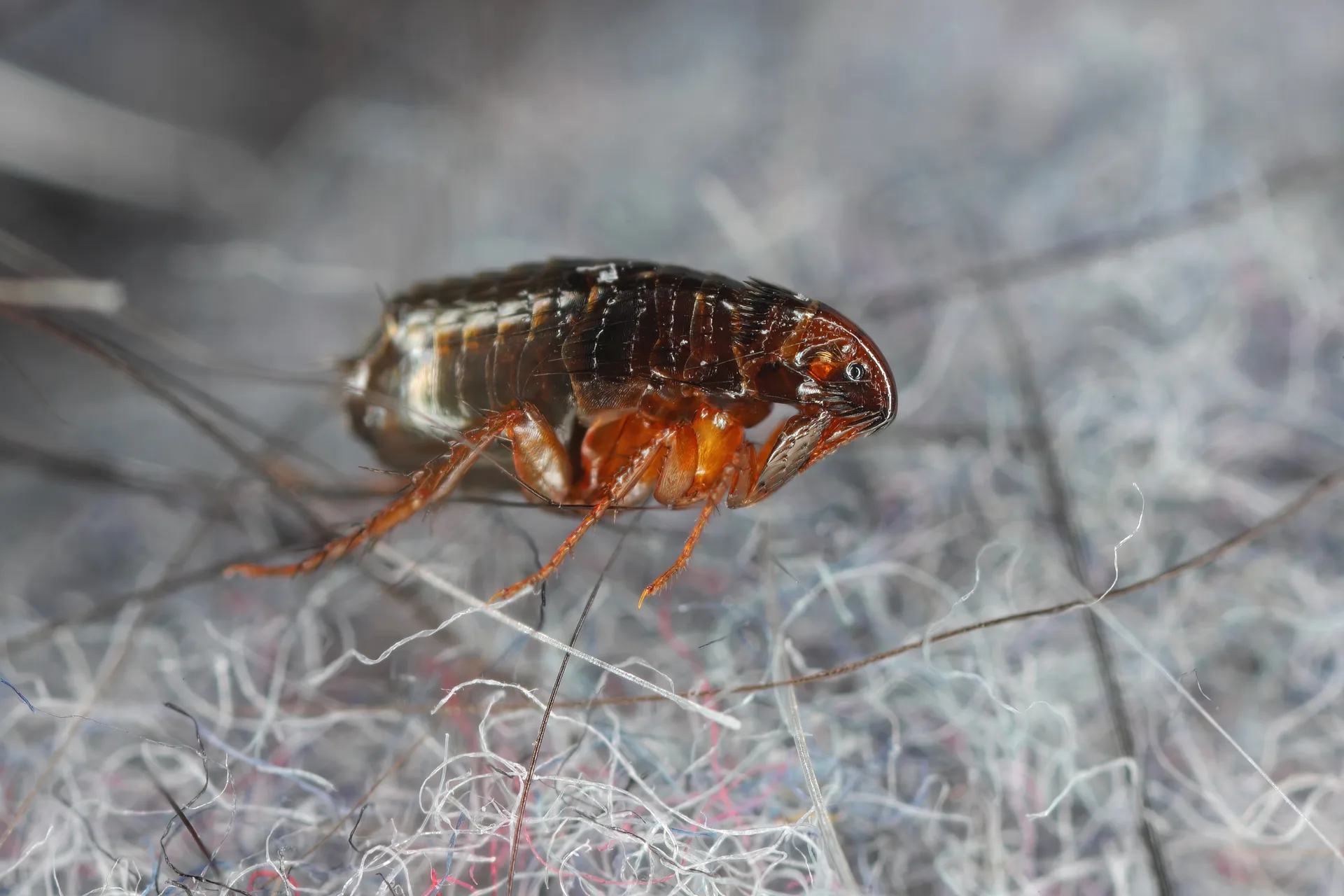
Adult cat fleas spend much of their lives on a host; their eggs fall into bedding, rugs, and other places the animal rests. Larvae develop in protected spots and pupae can remain inside cocoons after a treatment. A spray that contacts visible adults alone will not address every stage. The exact mix of stages changes by home, so a fixed 5% adult ratio is not a useful treatment estimate.
Did You Know
UC IPM reports that a female cat flea may lay about 20 to 50 eggs a day. That rate describes the insect under suitable conditions, not a forecast for one home.
Sources: Fleas: biology and management
The Central California Flea Problem Is Year-Round
Pets can acquire fleas during any season in mild coastal areas, and indoor conditions can support development year-round. Activity varies with weather, pets, and wildlife. If fleas return, check pet resting areas and possible animal access under the building before assuming the yard is the source.
How Professional Treatment Actually Works
A plan starts with confirming the pest, checking where pets rest, and coordinating on-pet care with a veterinarian. The technician may recommend targeted environmental treatment if cleaning and pet care alone are insufficient. The product, application area, and follow-up depend on the inspection and label.
- Pet care — Ask a veterinarian which flea prevention is appropriate for each animal.
- Cleaning — Vacuum floors, rugs, upholstered furniture, and crevices around pet resting areas; launder bedding as directed.
- Targeted treatment — If needed, ask which areas will be treated, which flea stages the product affects, and how activity will be checked afterward.
Important
Follow the written instructions for cleaning after treatment. Do not stop vacuuming for a fixed number of weeks based on a general article.
What You Need to Do Before We Arrive
Ask for a preparation list for your property. Cleaning pet bedding and vacuuming common resting areas are often useful. Tell the technician which pets use each room and whether wildlife or rodents may be present. Follow the product label and written service instructions for access and re-entry; there is no universal four-hour interval.
Pro Tip
Ask when to resume vacuuming and what surfaces to avoid. UC IPM recommends regular vacuuming as part of flea control; a blanket two-week pause is misleading.
What to Expect After Treatment
Fleas may continue to emerge from protected pupae for about two weeks after an environmental treatment, according to UC IPM. Ongoing activity can also reflect untreated pets, another animal host, or an overlooked resting area. Record where and when you see fleas, then ask for reassessment if activity does not decline as expected under the written plan.
How to Prevent Fleas From Coming Back
Work with a veterinarian on continuing flea prevention for pets. Wash bedding and vacuum areas where pets rest. If wildlife or rodents use a crawl space or shaded outdoor shelter, address that access and ask whether those areas need inspection. Routine exterior pesticide treatment is not automatically needed for every home near open land.
Related Resources
Frequently Asked Questions
How long does professional flea treatment take to work?
The timeline varies with the number of fleas, pet treatment, cleaning, and pupae protected in cocoons. UC IPM notes that emergence can continue for about two weeks after an environmental spray. Ask the technician when to report continuing activity.
Do I need to treat my pet and my home at the same time?
Coordinate pet care with your veterinarian while addressing the animal’s resting areas. Treating the home without controlling fleas on the host can leave the cycle active.
Can fleas live in a home without pets?
Yes. Wildlife or rodents in or near a structure can carry fleas. Identification and inspection help locate the source before treatment.
Is flea treatment safe for children and pets?
There is no universal re-entry time. Ask for the product and application instructions for your home, follow the label and the technician’s written directions, and keep children and pets away for the specified period.
Do I need a follow-up treatment?
It depends on activity after cleaning, pet care, and any environmental treatment. Ask how follow-up will be decided and what the written service terms cover.
Sources
- Fleas: biology and management · University of California Statewide Integrated Pest Management Program
See how we check and update our guides in our content standards.
Publisher
101 Exterminators Inc.
Based in Salinas, we serve Monterey, Santa Cruz, San Benito, Santa Clara, San Mateo, San Francisco, and Alameda counties. This article offers general guidance; an inspection is needed for property-specific findings.
About the company