Published by
101 Exterminators Inc.
Seeing a dead cockroach after a fogger is a poor test of control. The better question is whether the population in its hiding places is falling. One residential field study found that foggers spread insecticide residue without reducing roach counts, while gel baits in the other homes lowered counts. Other research shows bait products themselves vary. A plan needs identification, placement, sanitation, and monitoring.
What the Raleigh field study tested
DeVries and colleagues studied German roaches in Raleigh, North Carolina homes. Twenty homes used one of four foggers, while ten others got gel bait. The team counted roaches and tested surfaces before and after treatment. Foggers did not lower home roach counts. Counts fell in the bait homes. This small, local study cannot rank every product. It does show why dead bugs on the floor are a poor stand-in for repeat trap counts.
Sources: DeVries et al. (2019)
Surface residues are part of the result
In the same study, insecticide on tested surfaces rose more than 600-fold right after fogging. Some kitchen surfaces still had more residue than before treatment one month later. The tests did not measure a resident’s dose or health. Yet the foggers spread residue through living space while failing to lower roach counts. UC IPM advises against foggers and aerosol sprays for roaches. It favors bait placed where needed if a product is called for.
Sources: DeVries et al. (2019) · UC IPM cockroach guidance
Bait performance also needs a home test
Gordon and colleagues tested store-bought and professional baits in a lab and in Kentucky homes. In the lab, each bait and roach group reached at least 80% deaths by day 28. But home trap counts fell at different rates for each bait. One bait station did not clearly lower home counts. The lab tests used male roaches, and the home trial had a limited setting. A lab kill rate is no promise for a kitchen.
Sources: Gordon et al. (2025)
Identification changes the plan
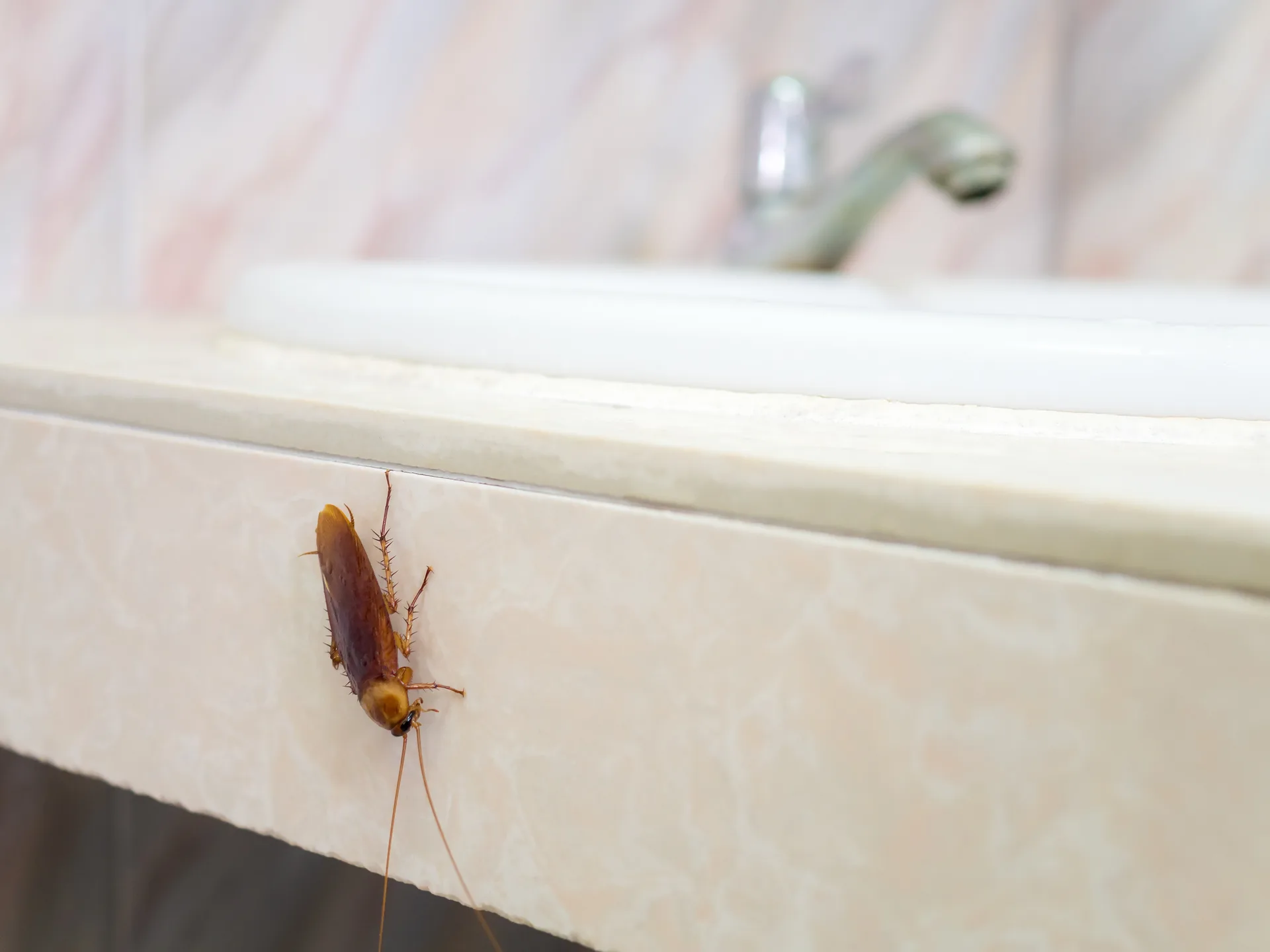
German cockroaches usually breed indoors near food, water, and tight harborage. American, Turkestan, and other species may enter from outdoors or damp utility areas. A single large roach in a bathroom does not call for the same response as small German cockroaches appearing behind appliances. UC IPM recommends identifying the species and using sticky traps to find active areas. Note where each trap sits and compare catches over time; changing locations each visit makes the trend hard to read.
Prepare for a cockroach service visitSources: UC IPM cockroach guidance
What a targeted program includes
Ask the technician to show where activity was found and explain sanitation, moisture repairs, clutter removal, exclusion, and any bait placement. Bait must be near foraging routes and can take a week or longer to show a decline. In a New York public-housing study, a bundled integrated program lowered roach counts compared with scheduled service. Cleaning, sealing, bait, and resident instructions were combined, so the study cannot isolate one magic step. That result also cannot predict the timing of clearance in a California restaurant or detached house.
Sources: UC IPM cockroach guidance · Kass et al. (2009)
Measure progress instead of guessing
Keep the first trap count, dates of sanitation and repair work, product and placement records, and later counts by location. Ask whether captures are falling in the worst area, whether fresh droppings or egg cases remain, and whether neighboring units or deliveries are possible routes. If counts plateau, the next visit should review identification again, food and water competition, access to hiding places, and bait condition. Repeated broad spraying can obscure rather than answer those questions.
Compare the existing cockroach treatment overviewMake the before-and-after test fair
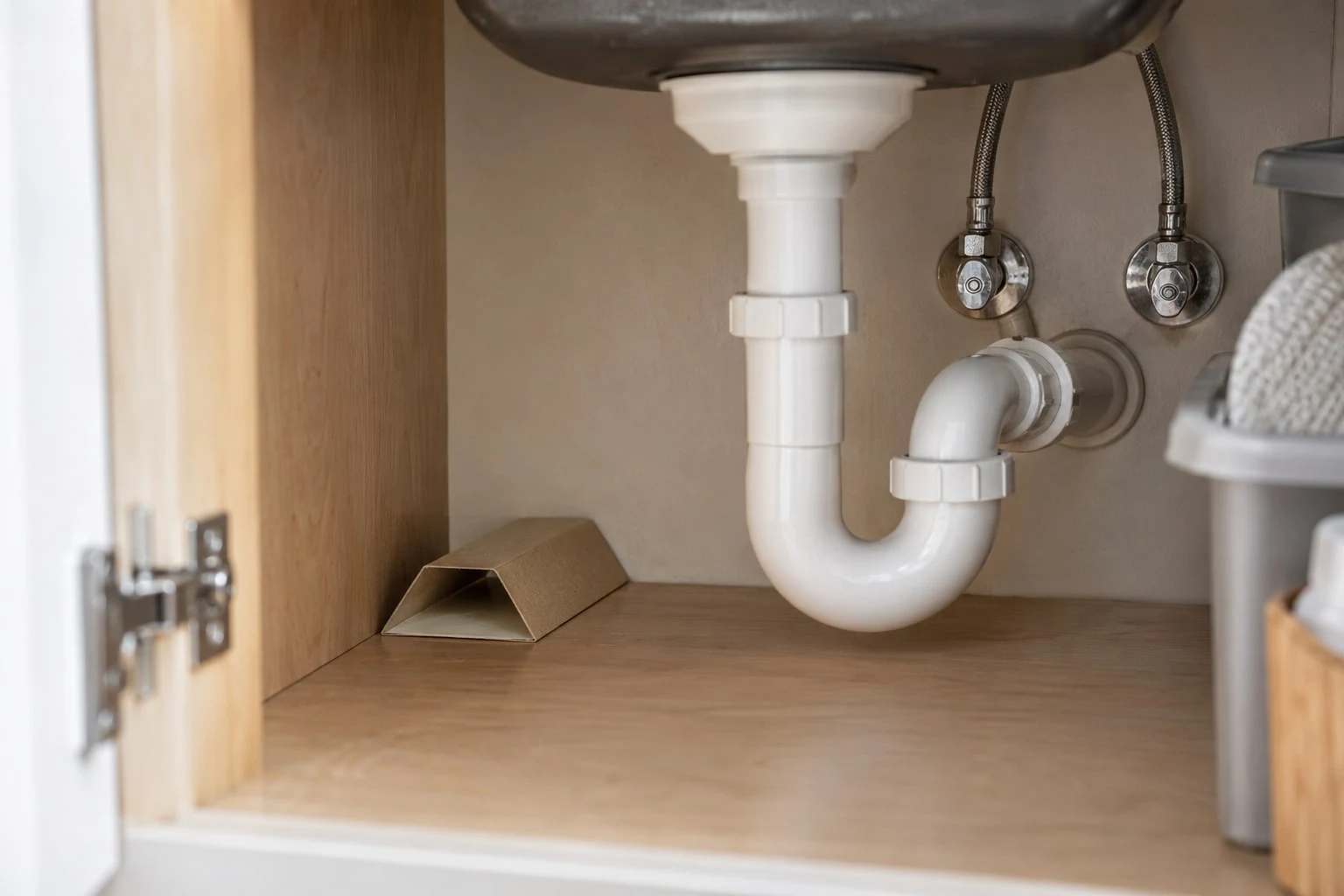
Number a few enclosed sticky monitors and place them where the identified cockroach species is likely to travel, away from children and pets. Note the location and check interval. After cleaning, repairs, or baiting, keep the monitor positions and check schedule the same. A count that drops because a trap was moved to a quiet cabinet is not proof of control. Record fresh droppings, egg cases, and live sightings separately from trap catch. Ask a technician to explain which signs show breeding and which may be an outdoor visitor. The record is useful in a restaurant, rental, or single home, but the placement should fit that building.
Sources: UC IPM cockroach guidance
When progress stalls
If counts remain high in one cabinet, ask whether water or food there competes with bait, whether the product has dried or been contaminated, and whether the hiding place is accessible. If captures shift toward a door, ask about an outdoor source; if they spread across a shared wall, coordinate with the property manager. Do not add another product to a treated crack without checking the label and the service plan. A new inspection should result in a revised species or source finding, a placement or sanitation change, and a date to check the same monitoring sites again. It should be more than another visit with no recorded result.
Related Resources
Frequently Asked Questions
Did the study show all foggers fail everywhere?
No. It found no population reduction in the Raleigh homes and products studied. UC IPM also advises against foggers for cockroach control.
Do all gel baits work equally well?
No. A 2025 lab and home test found that performance varied by product and setting. Trap counts in the home are more useful than a lab mortality figure alone.
How long before bait reduces cockroaches?
UC IPM says a reduction may take seven days or longer. Monitor the same sites and ask for a new inspection if activity is not trending down.
Sources
- DeVries ZC, Santangelo RG, Crissman J, Mick R, Schal C. Exposure risks and ineffectiveness of total release foggers used for cockroach control in residential settings. BMC Public Health. 2019;19:96. doi:10.1186/s12889-018-6371-z. · BMC Public Health
- Gordon JM, Sierras AJ, Jackson DV, Principato S, DeVries ZC. Laboratory and in-home evaluations of consumer- and professional-grade cockroach baits. Journal of Economic Entomology. 2025;118(2):826–837. doi:10.1093/jee/toae291. · Journal of Economic Entomology
- Kass D et al. Effectiveness of an Integrated Pest Management Intervention in Controlling Cockroaches, Mice, and Allergens in New York City Public Housing. Environmental Health Perspectives. 2009;117(8):1219–1225. doi:10.1289/ehp.0800149. · Environmental Health Perspectives
- Cockroaches: Pest Notes, identification and management. · University of California Statewide Integrated Pest Management Program
Publisher
101 Exterminators Inc.
Based in Salinas, we serve Monterey, Santa Cruz, San Benito, Santa Clara, San Mateo, San Francisco, and Alameda counties. This article offers general guidance; an inspection is needed for property-specific findings.
About the company