Published by
101 Exterminators Inc.
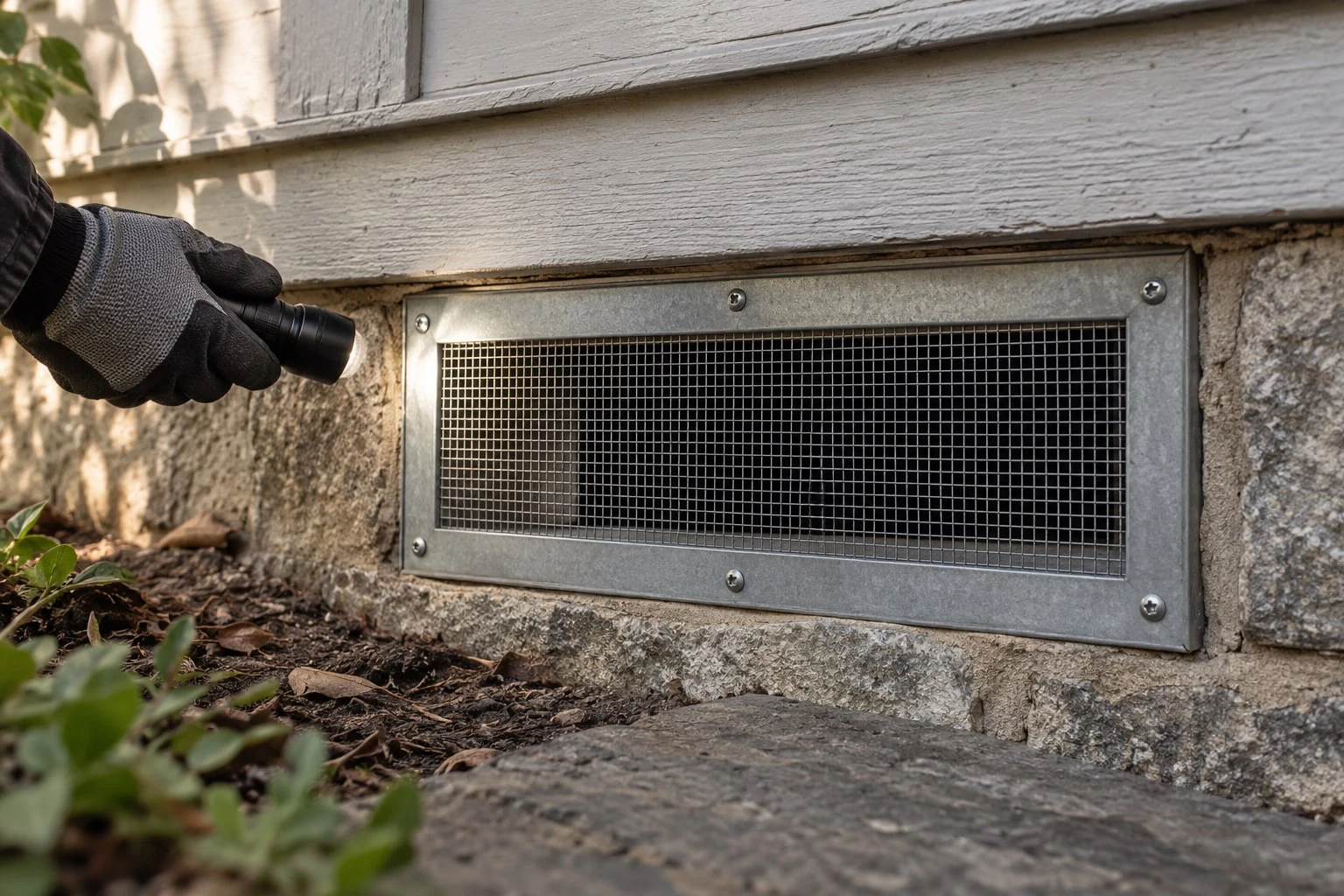
A sealed vent looks finished, but the useful question is whether rodents are still getting inside. Exclusion works when active routes are identified, animals already inside are addressed, repairs fit the openings, and later checks show no fresh activity. A quiet night or an empty trap is one observation. Keep a route map and dated notes so a new sound can be investigated without guessing.
Record the signs before sealing
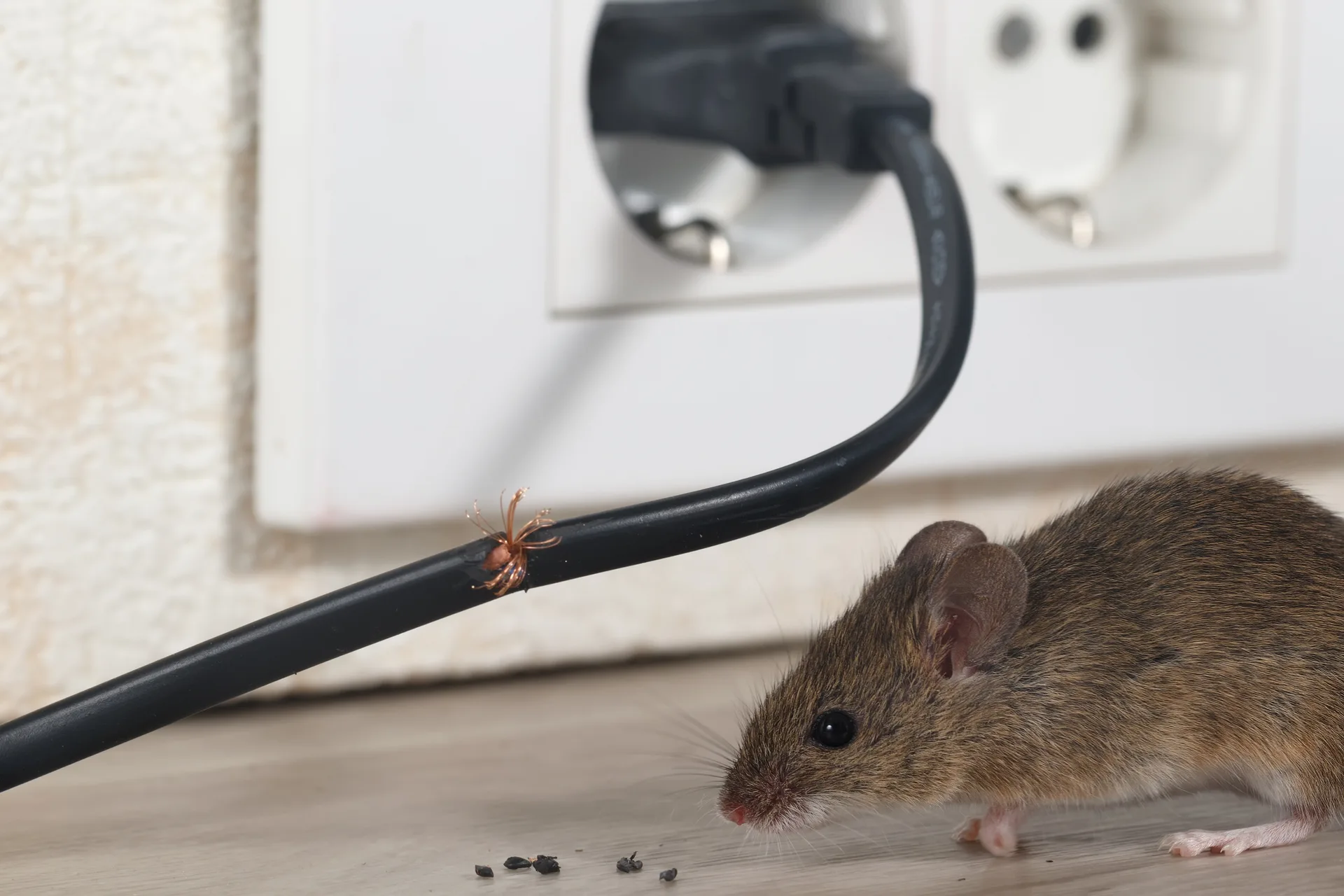
Mark where you hear movement, find fresh droppings, see gnaw marks, or spot tracks. Photograph accessible openings from the ground, including door sweeps, vents, pipe entries, soffits, and roof edges. Species matters: mice can use smaller openings than rats, and roof rats may travel above ground while Norway rats often use lower routes. UC IPM describes sanitation, structural exclusion, and population control as linked parts of rat management. If an opening appears active, ask how the company will remove or monitor animals already inside before closing it.
Use the homeowner rodent checklistSources: UC IPM rat guidance
Keep a repair map
A useful service record names each opening, its location, the material used, and the date repaired. Ask who handles damaged wood, roofing, vents, or utility lines and whether a follow-up visit will test the repair. A photo before and after work helps identify a gap that reopened later. Avoid assuming that one sealed roofline opening explains all activity; rats can climb building surfaces or use other routes, and mice may enter at ground level. Inspect safely from accessible areas rather than climbing onto a roof or disturbing wiring.
Sources: UC IPM rat guidance
Watch for new evidence, not old droppings
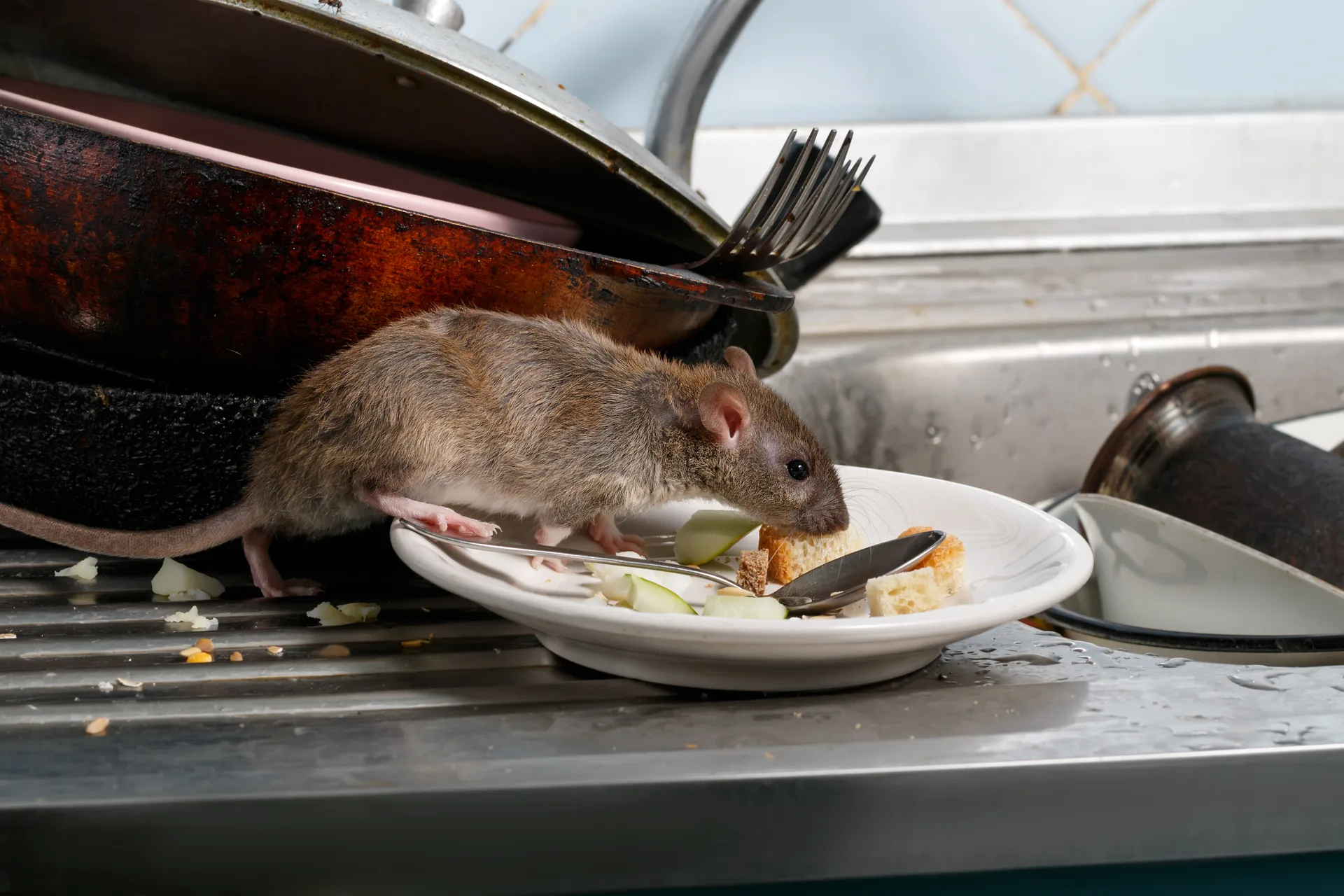
Old droppings can remain after animals are removed. Ask how the area should be cleaned safely, then use dated observations to distinguish new material from the old record. The CDC advises against dry sweeping or vacuuming rodent droppings or nests because that can put contaminated dust into the air. Follow its wet-cleaning instructions and seek professional help for heavy contamination or out of reach spaces. Do not handle a nest to test whether animals remain. Fresh tracks, new gnawing, captured animals, or repeat sounds deserve another look.
Sources: CDC rodent cleanup guidance
What an apartment mouse study can tell us
Sked and colleagues tracked house mice in two New Jersey apartment towers. At three months, the mean number of homes with mice had fallen 87%. At twelve months, one tower still had far less activity than at the start; the other had more. Gaps were sealed and cleaning advice was followed at different rates. This small study used several steps, so it cannot tell which step caused the change. An early drop needs more checks. The result does not predict clearance for roof rats or mice at a California home.
Sources: Sked et al. (2021)
Use a repeatable monitoring plan
Agree on which accessible sites will be checked and how often under the written service scope. Record device location, dates, captures, fresh signs, and repairs. Do not move a trap or monitoring point without noting the change; otherwise counts before and after may not be comparable. If activity persists, ask the company to review the species, routes, food and water sources, nearby spaces, and repairs. A new animal after a quiet period may reflect a new opening or a missed route, and the evidence should decide which.
Read the rodent prevention resourceConsider the surrounding property
Food scraps, pet food, thick cover, and plants touching a building can help rodents stay nearby. Fixing indoor entry points does not remove those outdoor sources. UC IPM advises cutting off food and hiding places along with sealing gaps. Do yard work only where it is safe. Hire a qualified contractor for work on a roof, wires, or the building frame. In shared buildings, gaps in common areas may leave a unit at risk. Keep the manager’s repair log with the pest log.
Sources: UC IPM rat guidance
Decide what completion means in writing
Ask which openings were repaired, which areas were out of reach, how existing animals were addressed, and what fresh evidence would trigger another visit. A written follow-up scope should state the monitoring period or scheduled check, plus what the company will do if signs continue. It should not promise that no rodent can enter the property again. Keep the map and photos for later maintenance; weather, building movement, or another trade’s work can create a new gap.
See the Santa Cruz roof rat articleUse a short route log
List each suspected entry route in the order it was inspected: garage door, pipe opening, vent, eave, or another site. For each, save a photo, date, sign of use, repair method, and who completed the work. After service, note fresh sounds, new tracks or gnawing, and any trap findings by location. Mark an area not checked if access was unsafe. That is more useful than a single note saying “no rodents,” because a later inspector can see which routes were tested. Ask whether the company will recheck repairs after the first monitoring interval and how to report a new opening.
Sources: UC IPM rat guidance
Separate return activity from repair failure
A fresh sign after a quiet period needs investigation. It could reflect an opening that was missed, one that reopened, an animal already inside, or a new route made by later building work. The company should compare the new sign with the original map before repeating treatment. In a shared building, ask the manager about common vents, utility runs, waste areas, and adjoining units. At a detached house, check weathered door seals and areas recently worked on by other trades. Keep pets and children away from traps and bait devices, and follow the written plan rather than moving them to test a hunch.
Frequently Asked Questions
If I hear nothing tonight, is exclusion complete?
Not necessarily. Review fresh signs and monitoring over the agreed follow-up period, and confirm that active routes were repaired.
Should I seal an opening while rodents may still be inside?
Ask for a removal or monitoring plan first. Closing an active route without addressing animals inside can leave them trapped in the structure.
Can I vacuum old droppings to check for new ones?
Follow CDC wet-cleaning instructions; do not dry sweep or vacuum rodent droppings or nests.
Does the apartment mouse study predict results for rats?
No. It studied house mice in two New Jersey high-rises. It illustrates why follow-up matters, not a rat-control success rate.
Sources
- Sked S, Abbar S, Cooper R, Corrigan R, Pan X, Ranabhat S, Wang C. Monitoring and Controlling House Mouse, Mus musculus domesticus, Infestations in Low-Income Multi-Family Dwellings. Animals. 2021;11(3):648. doi:10.3390/ani11030648. · Animals
- Rats: Pest Notes, identification and management. · University of California Statewide Integrated Pest Management Program
- How to Clean Up After Rodents. · Centers for Disease Control and Prevention
Publisher
101 Exterminators Inc.
Based in Salinas, we serve Monterey, Santa Cruz, San Benito, Santa Clara, San Mateo, San Francisco, and Alameda counties. This article offers general guidance; an inspection is needed for property-specific findings.
About the company