
Structural Pest Control
Termite Control in Pleasanton, CA
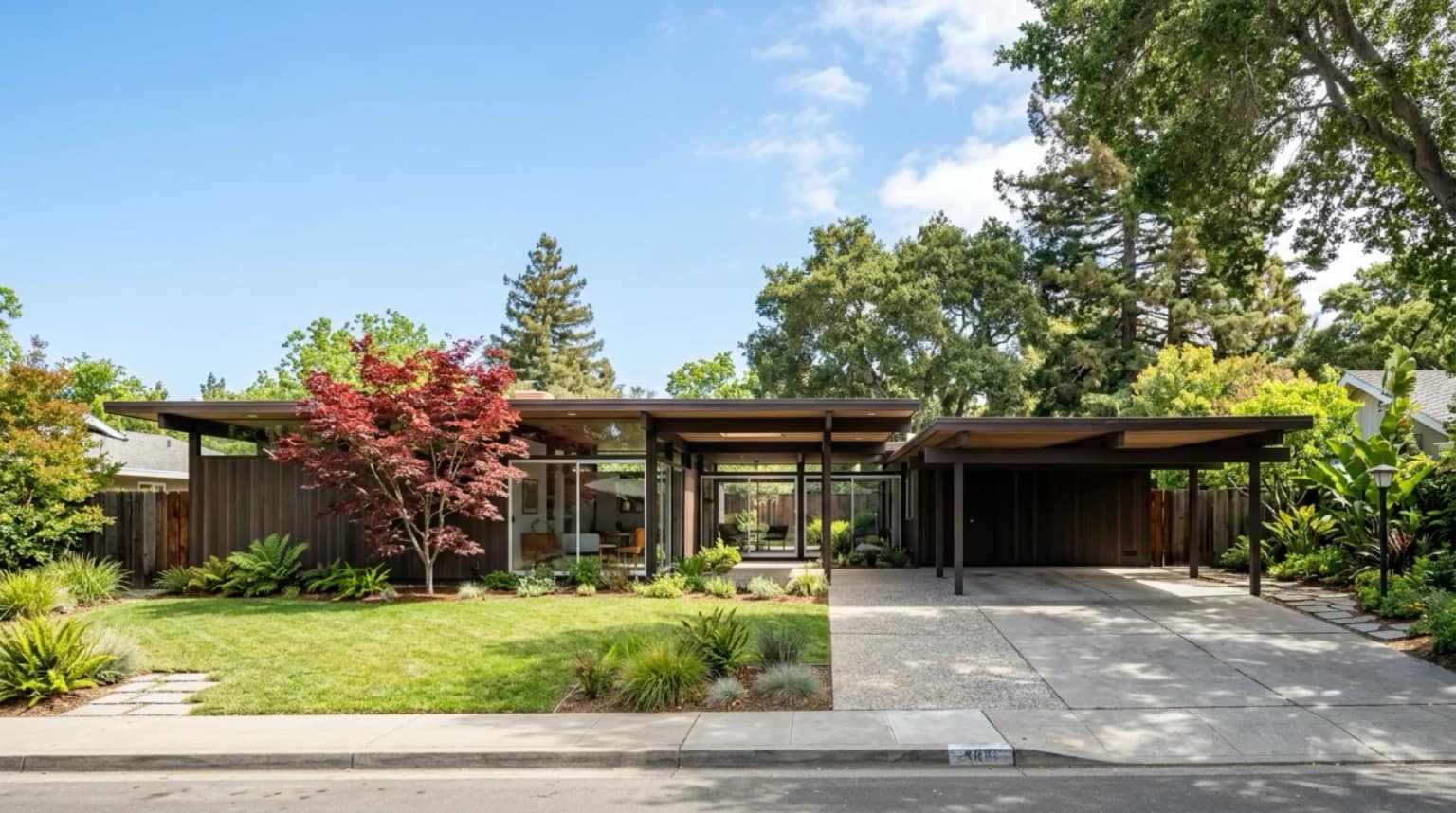
101 Exterminators handles termite control in Pleasanton as a California-licensed structural pest company, SPCB Lic. #9119, working Alameda County since 2005. The median Pleasanton house was framed in 1984 — wood behind stucco, wide eaves, long low rooflines — and western drywood termites (Incisitermes minor) have had four decades of warm summers to find that wood. We inspect, sort findings into Section 1 and Section 2, then treat.
Warning Signs
Signs You Need Termites Service in Pleasanton
We perform thorough visual inspections of all accessible structural wood, attic spaces, crawl spaces, fencing, and exterior wood. Our reports clearly distinguish Section 1 conditions (active infestations requiring immediate treatment) from Section 2 conditions (conditions that are likely to lead to infestation). We issue California-required WDO reports for real estate transactions and carry the licensing required by the Structural Pest Control Board.
Hollow-sounding wood when tapped — galleries eaten from inside
Frass (fine sawdust-like pellets) near baseboards or windowsills — drywood termite excrement
Discarded wings near doors or windows in spring — swarmers leaving to start new colonies
Blistering or bubbling paint on wood surfaces — subterranean tunnel activity underneath
Mud tubes running up foundation walls or piers — subterranean termite foraging trails
Soft or sagging flooring near walls — severe structural damage to subfloor joists
Small holes in wood with discoloration around the edges
Real estate transaction requiring a WDO inspection and clearance report
How It Works
Our Termites Process in Pleasanton
Every job follows the same methodical approach — no shortcuts, no guesswork. Here is what to expect when you work with us in Pleasanton.
Comprehensive Inspection
Our licensed inspector examines all accessible wood, crawl spaces, attic framing, exterior siding, eaves, and fencing. We document every finding with photos and written notes.
WDO Report & Recommendations
You receive a state-compliant Structural Pest Control Report distinguishing active infestations, wood damage, and conducive conditions. No confusing fine print.
Targeted Treatment Plan
We recommend the most effective and least invasive treatment — whether that's localized spot treatment, fumigation for widespread drywood infestation, or subterranean bait systems.
Treatment & Clearance
We execute the treatment per plan, return for any follow-up needed, and issue a Completion Notice clearing the structure once all Section 1 items are resolved.
Why 101 Exterminators
Termites You Can Count On in Pleasanton
State-Licensed Inspectors
Our inspectors hold California Structural Pest Control licenses and are compliant with SPCB regulations for both inspections and treatments.
WDO Reports for Real Estate
We issue the Structural Pest Control Reports required for California home sales, refinancing, and VA/FHA loans — accepted by all lenders and escrow companies.
Both Termite Species Covered
Central California has both drywood and subterranean termites. We identify which species is present and apply the treatment protocol specific to each.
Free Re-Inspection Policy
If signs return within our warranty period, we come back at no charge. Our work is backed, not just guaranteed on paper.
Common Questions
Termite Control FAQs for Pleasanton
Do Pleasanton homes built in the 1980s really get termites?
Yes — an 1980s build year is no protection against drywood termites. Incisitermes minor enters through a paint crack, a checked board end or an unsealed rafter tail rather than from the soil, so what matters is how much bare exterior wood a house has, not its age. With the median Pleasanton home finished in 1984, most of the city has now stood through roughly four decades of late-summer swarm flights. Fascia, patio covers and garage door headers are where we find it first.
Which parts of Pleasanton have subterranean termite pressure?
The creek-adjacent lots. Arroyo de la Laguna, the Arroyo del Valle bottom, Arroyo Mocho and South San Ramon Creek hold soil moisture well past the end of the rainy season, and Reticulitermes needs that moisture to keep a foraging tube alive. Homes on drier upland ground toward Pleasanton Ridge or up in Kottinger Ranch rarely show it. On creek-side properties we read the stem wall, the porch slab joint, and any planter built against the foundation.
Should I get a termite inspection before listing a house in Pleasanton?
It is worth doing, because Section 1 findings surface during the buyer's inspection either way and they are harder to negotiate then. A pre-listing WDO report tells you what is active and what is only a Section 2 condition while you still control the schedule, and any work performed is documented on a Notice of Work Completed you can hand to escrow. In a Tri-Valley market where buyers order their own inspection anyway, knowing first is the advantage.
Local Pest Pressure
Common Pests We Treat in Pleasanton
Every area has its own pest profile shaped by climate, housing, and geography. These are the pests we see and treat most often in Pleasanton — tap any one to learn how to identify it and what treatment involves.
Termite Control · Pleasanton
Free Pest Evaluation in Pleasanton
CA licensed and insured. Written estimate before any work begins. Urgent situations in Pleasanton are prioritized.