
101 Exterminators
Service Areas
Pests
Articles
Guides
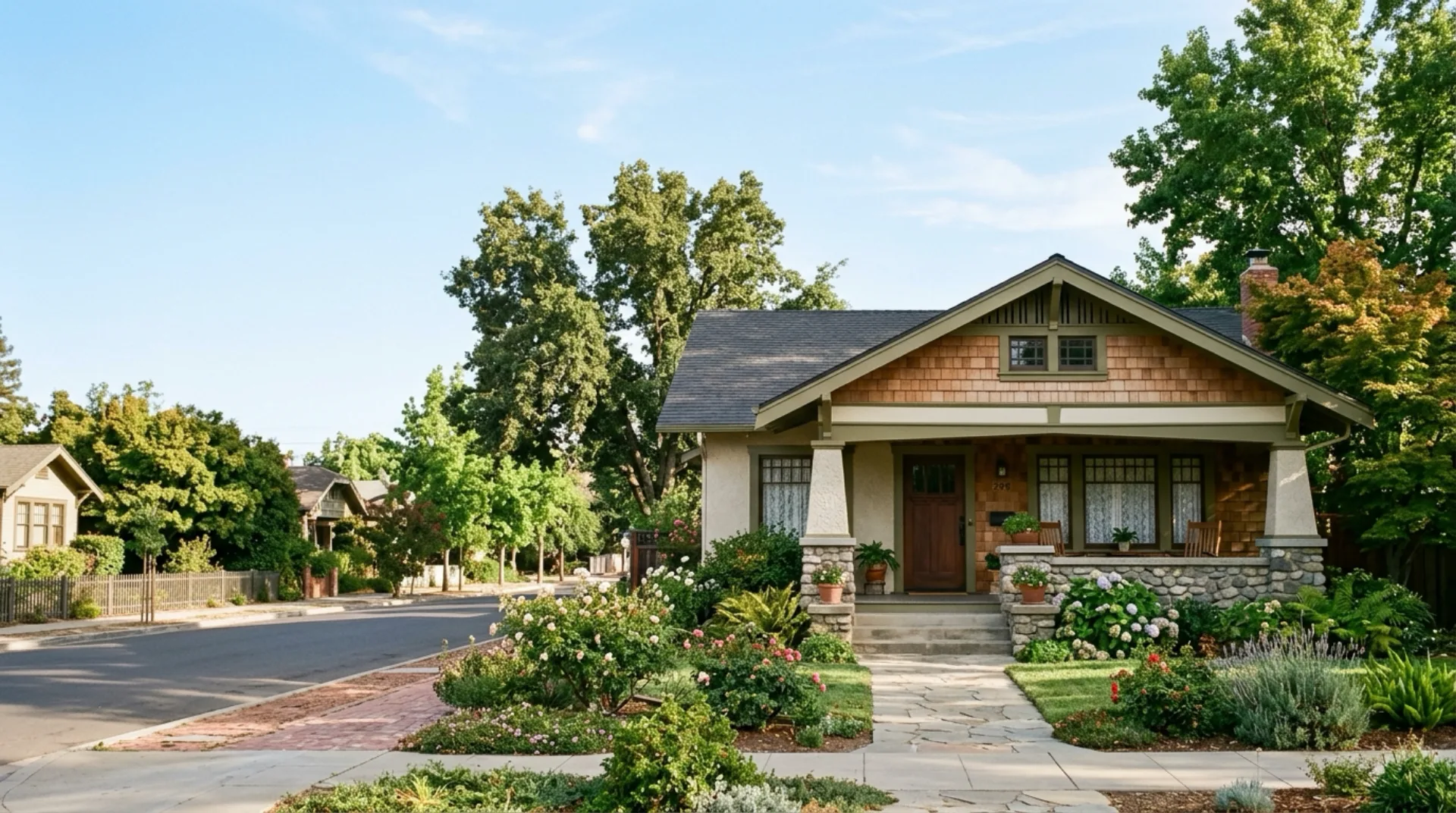
An early-1900s craftsman bungalow on an inland Central California street — Soledad, California service area

Wasp & Bee Removal in Soledad, CA

101 Exterminators handles wasp and bee removal in Soledad, from ground nests in dry bank soil to colonies tucked under concrete roof tile. We work in protective equipment, find every entrance before treating, and remove comb so the void does not draw a second problem. Accessible honey bee swarms go to local beekeepers when we can arrange it. Licensed since 2005, SPCB Lic. #9119.

(831) 500-1613Free limited inspection · no obligation

Get a Free Estimate

Tile Roofs and Dry Bank Soil Give Soledad Wasps Two Kinds of Free Housing

Western yellow jackets nest underground, and Soledad supplies more good ground than most towns. Ditch banks, the levee edge along the Salinas River, the Bryant Canyon wash, and the dry, undisturbed strip along a field-facing fence all hold their shape through a rainless summer. A colony often takes over an abandoned rodent burrow, which is easy to walk past until someone runs a mower over it. Populations peak from August into October, and that is when foragers get aggressive about protein and sugar — right when the town is outdoors most.

The structures give them a second option. Concrete tile is the standard roof on Soledad's post-1990 subdivisions, and the open end of the first tile course at the eave is a sheltered cavity a yellow jacket colony will move straight into. Stucco walls add the weep screed gap and any unsealed penetration. Paper wasps (Polistes spp.) take the easier route and build open combs under eaves, on patio covers, and inside attic vents all over the older neighborhoods near Ramirez Park.

Honey bees are a separate call. Swarms move through in spring, and with orchard and vine bloom on the benchland west of town, Soledad sees them settle in wall voids, water meter boxes, and shed walls. A swarm hanging in a tree is temporary and often relocatable. A colony already building comb inside a wall is a removal job, because leftover honey and wax will attract ants, beetles, and rodents for years if it stays.

How We Work in Soledad

We identify the species and locate every entrance before anything is treated — one hole in the stucco usually has a second one nobody noticed. Ground nests are worked in the evening when foragers are back inside. For nests under roof tile or in a wall void we find the entry from outside, treat the cavity, then open enough to pull the comb so nothing rots in the void. Our technicians wear full veil and suit for every stinging-insect call. Accessible honey bee swarms we try to place with a beekeeper.

Soledad Climate

Soledad experiences an inland Mediterranean climate with greater temperature extremes than northern Salinas Valley communities — summer highs regularly reaching 95–102°F in July and August, with winter lows occasionally dropping to 28–32°F with frost. Annual rainfall is 10–13 inches. The intense summer heat drives all pest species toward cooler indoor environments, and the wide temperature swing between summer and winter creates two distinct peak pest seasons annually.

Housing Stock

Soledad's housing stock includes Mission-era adobe history and 20th-century residential development serving the agricultural community. Much of the city's residential area consists of 1940s–1980s construction with aging crawl spaces, limited vapor barriers, and landscape maintenance challenges common to working agricultural communities. Commercial and institutional buildings including correctional facilities and packing operations have specific commercial pest management requirements.

Why Local Expertise Matters

Soledad's south county position means we serve it as part of a regional understanding of the Salinas Valley's agricultural pest calendar. We know when the Pinot Noir harvest in the Santa Lucia Highlands drives rodent movement, when the valley floor crop rotations spike ant pressure, and how the temperature extremes unique to Soledad affect the timing and intensity of subterranean termite swarm season.

Signs You Need Wasps & Bees Service in Soledad

We treat yellow jacket nests (including in-ground and wall-void nests), paper wasp nests under eaves and overhangs, European and bald-faced hornet nests, and mud dauber tubes. For honey bee hives established in walls or structures, we provide complete treatment and nest removal including comb excavation to prevent future odor and secondary pest attraction. For accessible swarms, we can arrange transfer to a local beekeeper.

Visible nest under eaves, in shrubs, attached to window frames, in tree cavities, or in attic vents

Repeated wasp activity near a specific location on the structure — nest is likely nearby

Wasp or bee activity around a specific gap, crack, or vent opening — indicates cavity nest inside

In-ground yellow jacket activity — small hole in soil or mulch bed with wasps entering and exiting

Honey bee swarm visible on a tree, shrub, or structure — usually a temporary cluster

Buzzing sounds within walls, soffits, or chimney area — established honey bee hive

Our Wasps & Bees Process in Soledad

Every job follows the same methodical approach — no shortcuts, no guesswork. Here is what to expect when you work with us in Soledad.

01

Species & Nest Location

We identify the species and locate all nesting sites, including in-wall or structural voids that require special access. Species determines the treatment approach.

02

Treatment in Protective Equipment

Our technicians treat nests in full protective equipment — veil, suit, and gloves. Evening treatment is preferred for ground nests when foragers have returned to the nest.

03

Nest Removal

After treatment, accessible nests are physically removed. For wall-void nests, we advise on comb removal to prevent secondary pest attraction from wax, honey, and larval material.

04

Entry Point Sealing

We seal entry points used by cavity-nesting species to prevent re-colonization by a new colony in the same location.

Wasps & Bees You Can Count On in Soledad

Bee Relocation Option

When possible, we work with local beekeepers to relocate honey bee swarms and accessible hives rather than exterminating them. Good for bees, good for local agriculture.

Wall-Void Nest Removal

Nests inside walls require more than just treatment — the comb must be removed to prevent honey seepage, secondary pests, and odor. We handle the complete remediation.

Same-Day Service for Emergencies

A wasp nest near an entry door, child's play area, or pet run is a safety emergency. We prioritize same-day or next-day service for these situations.

Evening Ground Nest Treatment

Yellow jacket ground nests are treated at dusk when the full colony has returned, maximizing effectiveness and minimizing any risk of disrupted forager activity.

Wasp & Bee Removal FAQs for Soledad

There is a wasp nest under the roof tiles of my Soledad house — how do you reach it?

From the eave, working the gap under the first course of tile where the colony went in. Concrete tile sits on battens, so there is a real cavity behind that opening and the nest is usually a foot or two inside it. We treat through the entrance, then lift the tile needed to remove the comb, and close the course afterward with a proper bird stop or eave closure so the same space is not available next season. Doing it in the evening keeps more of the colony present.

Why do yellow jackets get so bad around Soledad in September?

Because that is when the colony hits its maximum size and the food it wants changes. Through spring and summer the workers hunt insects for the brood; by late summer the brood is finished and thousands of adults are foraging for sugar and protein for themselves. That is the behavior people notice at a barbecue or near a trash can. Nests are also at their largest and most defensive then, which is why late-season ground nests near a walkway are worth handling professionally.

Bees moved into a wall of my house near Front Street — can they be saved?

Sometimes, depending on how long they have been there. A swarm that arrived in the last day or two and is still clustered is often collectable and we will try to place it with a local beekeeper. Once bees have been inside a wall for weeks they have built comb and brood, and the colony usually cannot be moved intact — at that point the comb has to come out regardless. Leaving comb and honey in a wall in a hot valley summer draws ants, beetles, and rodents later.

Free Limited Wasps & Bees Inspection in Soledad

CA licensed and insured. Written estimate before any work begins. Same-day response available for urgent situations in Soledad.

Trusted by Soledad families since 2005