
Structural Pest Inspections
Pest Inspections in South San Francisco, CA
101 Exterminators performs pest inspections in South San Francisco for escrow, refinancing and pre-listing, issuing state-compliant WDO reports under SPCB Lic. #9119. Most of this housing came out of the post-war tract wave and the downtown blocks go back before 1940, so an inspection in this city is rarely a formality. We inspect the accessible structure, photograph every finding, and separate Section 1 from Section 2 in writing.
Home maintenance
How do you keep a South San Francisco home ready for a clean termite report?
Keep wood dry, keep it off the soil and keep access open. A California wood-destroying pest report notes conditions likely to lead to infestation along with live termites and fungus. In South San Francisco, San Bruno Gap fog keeps soil and siding damp well after the rain ends, so decay and moisture are the conditions to watch on post-war tract homes. Small repairs before listing give the inspector less to record.
Fix leaks at sinks, tubs and toilets
Slow leaks rot subfloor and feed fungus, which a report notes. Check under kitchen and bath fixtures twice a year, and reseal the toilet base and tub edges when the caulk cracks.
Clear the attic hatch and garage walls
An inspector can only report on what they can reach. Move boxes away from the attic hatch and pull stored items off garage walls, where framing and sill wood need to be visible.
Break wood-to-soil contact
Fence posts, deck stairs, trellises and siding that touch soil invite subterranean termites and decay. Trim or raise them, or set posts on concrete footings, on hillside lots where soil slides against the house.
Keep fog-side trim painted
Wood that stays damp from fog cracks and peels faster. Repaint window sills, fascia and the bottom boards of siding on the west- and north-facing walls before the paint fails.
Keep past reports together
File earlier inspection reports, treatment invoices and repair receipts in one place. A new inspector can compare them, and a buyer in escrow will ask to see them.
When to do it
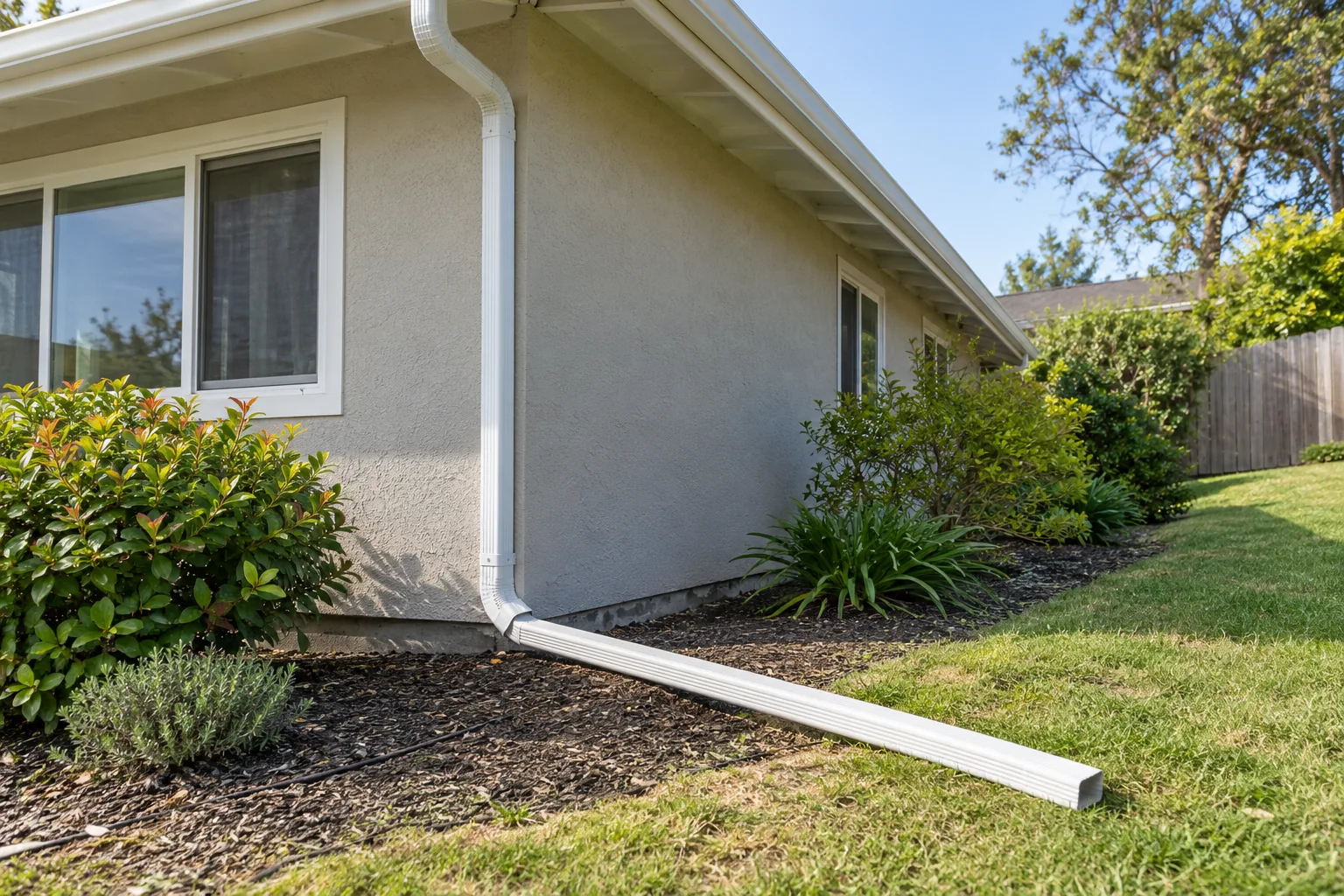
Start repairs a season before you list, and clean gutters and pull soil back from the walls in October before the rains.
Maintenance guidance: Business and Professions Code § 8516 (wood-destroying pest reports)
Warning Signs
When to Ask About Pest Inspections in South San Francisco
We offer formal structural pest inspections and written WDO reports. Before a visit, identify the main building, any detached structures, and areas that need a key or permission to enter. Confirm which areas and report format the request will cover.
A purchase contract or lender asks for a formal termite or WDO report
A seller wants a written pest report before listing
A buyer has a general home inspection but also needs a separate WDO report
The sale includes a detached building that should be named in the inspection request
An attic, subarea, or tenant space needs access arranged before the visit
A prior WDO report lists an area that could not be inspected
How It Works
What to Expect from Pest Inspections in South San Francisco
Have the property address, your deadline and any buyer, lender or escrow requirements ready. A formal WDO inspection is a paid service with a written report.
Define the Property and Access
Tell us which buildings belong in the request and who can open locked or occupied areas. We will discuss the inspection scope before the visit.
Inspect the Agreed Areas
The inspection addresses wood-destroying organisms and related conditions in accessible areas within the agreed scope. Any access limits belong in the report.
Review the Written Report
Read each finding with its location and recommendation. Confirm the report format and delivery timing that your transaction needs before booking.
Discuss Any Follow-Up
If the report calls for treatment, repairs, or another inspection, ask what each step would involve. Any work and related document should be agreed to separately.
Why 101 Exterminators
Why Choose 101 Exterminators for Pest Inspections in South San Francisco
Written WDO Findings
The report records findings for the inspected areas. Ask about any format or follow-up document named by the buyer, lender, or contract.
A Clear Property Boundary
Name each unit and detached structure before scheduling. A report for one building should not be read as a report for another.
A Check on Timing
Share the date you need the report. We can then confirm current inspection and report availability before you book.
Common Questions
Pest Inspections FAQs for South San Francisco
Our South San Francisco sale is in escrow and the report came back with Section 1 items — what does that mean?
Section 1 means active infestation or existing damage, and it is usually the part a lender or escrow requires cleared before closing. In this city that is often subterranean evidence or fungus damage in a damp sub-area, or drywood damage in eaves on the bay-facing slopes. Section 2 items — wood-to-soil contact, poor sub-area ventilation, a leaking shower pan — are conditions that could lead to infestation and are more often negotiated than required. Once the Section 1 work is finished we issue the Notice of Work Completed.
Should we get a pest inspection before listing a house in Buri Buri?
Yes, if you want control of the findings instead of a renegotiation. A pre-listing WDO report tells you what the Section 1 items are while there is still time to schedule the work, and on the 1950s and 1960s Buri Buri tract houses those items are commonly sub-area moisture damage or subterranean evidence at the stem wall. Buyers discovering the same things mid-escrow turns a scheduling question into a negotiation on their timeline.
Does a WDO inspection cover the garage and the fence on a South San Francisco lot?
Accessible structural wood gets inspected, and on these lots that normally includes the attached or detached garage, the sub-area, exterior trim, decking and wood fencing where it contacts the structure or the soil. Detached garages on the older downtown lots are frequently where the first Section 1 item turns up, because they were built without the moisture detailing the house got. Anything we cannot reach is written up as inaccessible rather than passed over.
Local Pest Pressure
Common Pests We Treat in South San Francisco
Every area has its own pest profile shaped by climate, housing, and geography. These are the pests we see and treat most often in South San Francisco — tap any one to learn how to identify it and what treatment involves.
Pest Inspections · South San Francisco
Written Pest Inspections in South San Francisco
A formal WDO inspection is a paid service with a written report. Tell us your deadline and any transaction requirements when you contact us.