Published by
101 Exterminators Inc.
An apartment pest program can look successful on one measure and incomplete on another. Fewer roaches in traps, less allergen in dust, lower pesticide residue on floors, and fewer mouse sightings are different outcomes. Each has a place in a building plan. Property managers should define what they will check, where, and when before treatment starts, then keep the access and repair record beside the numbers.
Use a baseline before judging change
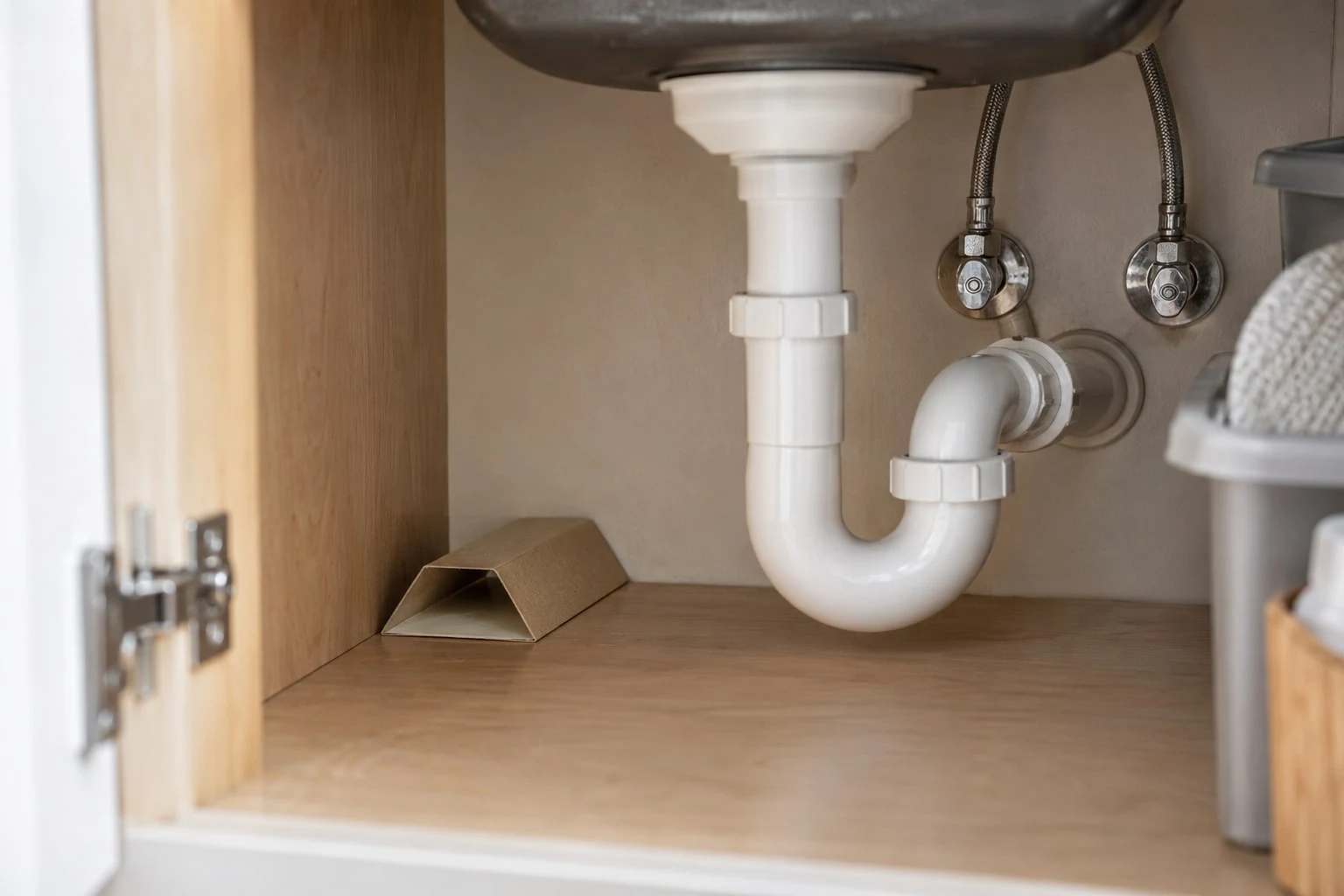
Record the pest species, affected units, visible signs, trap locations, and the first counts before changing the plan. Number monitoring devices and check them on a consistent schedule. Note units that could not be entered, leaks, open penetrations, clutter, and resident reports. A trap count is affected by placement and access, so moving a device between visits can make a real change hard to see. UC IPM recommends sticky traps to detect cockroach activity and to judge control over time. For rodents, track fresh signs and building openings as well.
Read the property manager prevention guideSources: UC IPM cockroach guidance
The New York integrated program
Kass and colleagues tested two approaches in thirteen New York City public housing buildings. One group had routine service. The other had cleaning, sealing, targeted bait or dust, and help for residents. At the start and three and six months later, the team checked for roaches, mice, and some allergens. Roach counts were lower in the new program at three months, and low counts held up better at later checks. Allergen readings fell at some kitchen and bedroom sites. The study cannot say which single step caused those changes.
Sources: Kass et al. (2009)
Allergen change is not a health outcome
Roach allergens in dust can matter to a health check. Yet less allergen in a dust sample does not prove a resident’s asthma improved. Kass and colleagues tracked the home, not each person’s health. Sample sites matter: a clean counter says little about dust in a closed cabinet or bedroom. If allergens are a concern, discuss testing and care with the right health experts. Ask the pest company for clear records of the bugs found and work done.
Sources: Kass et al. (2009)
Residues need their own reading
Wang and colleagues tested a bait-based German roach plan in one apartment building. They wiped floors in 69 homes at the start and 49 homes a year later. Mean insecticide residue per home fell 74%. The mean number of insecticides found also fell. This before-and-after study had no control group; some homes were lost by follow-up. It tested floors, not all ways people might be exposed. The result shows that residue can fall with a change in plan. It does not mean treatment has no exposure risk.
Sources: Wang et al. (2019)
Mice show why a building average can mislead
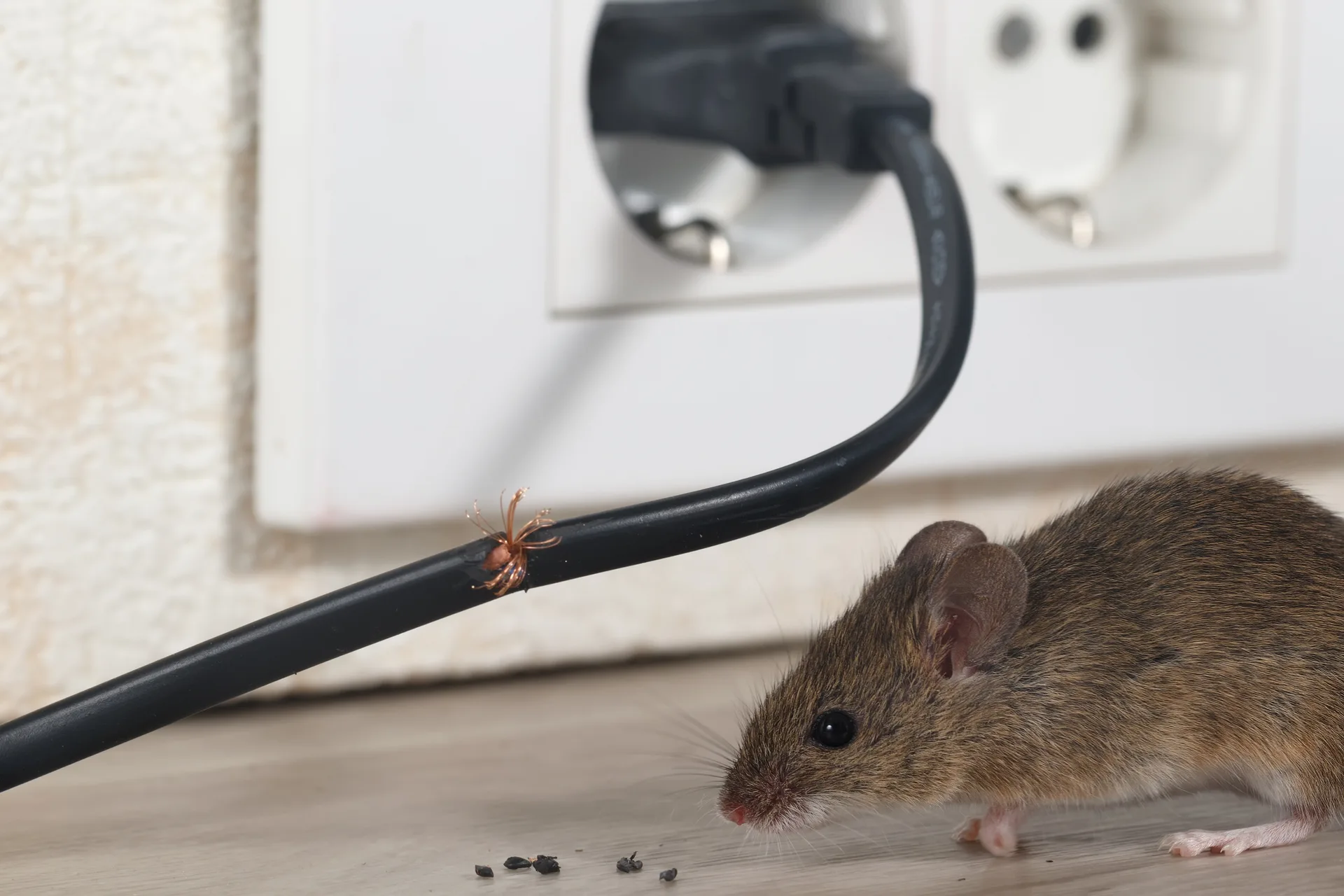
Sked and colleagues tracked house mice in two New Jersey apartment towers. The number of homes with mice fell at three months. By twelve months, one tower still had far less activity than at the start. The other had more. Gaps were sealed and cleaning advice was followed at different rates. This small study used several steps, so it cannot show that one repair caused the gap between towers. It shows why managers should check each tower and floor after an early drop.
Sources: Sked et al. (2021)
Turn readings into a follow-up schedule
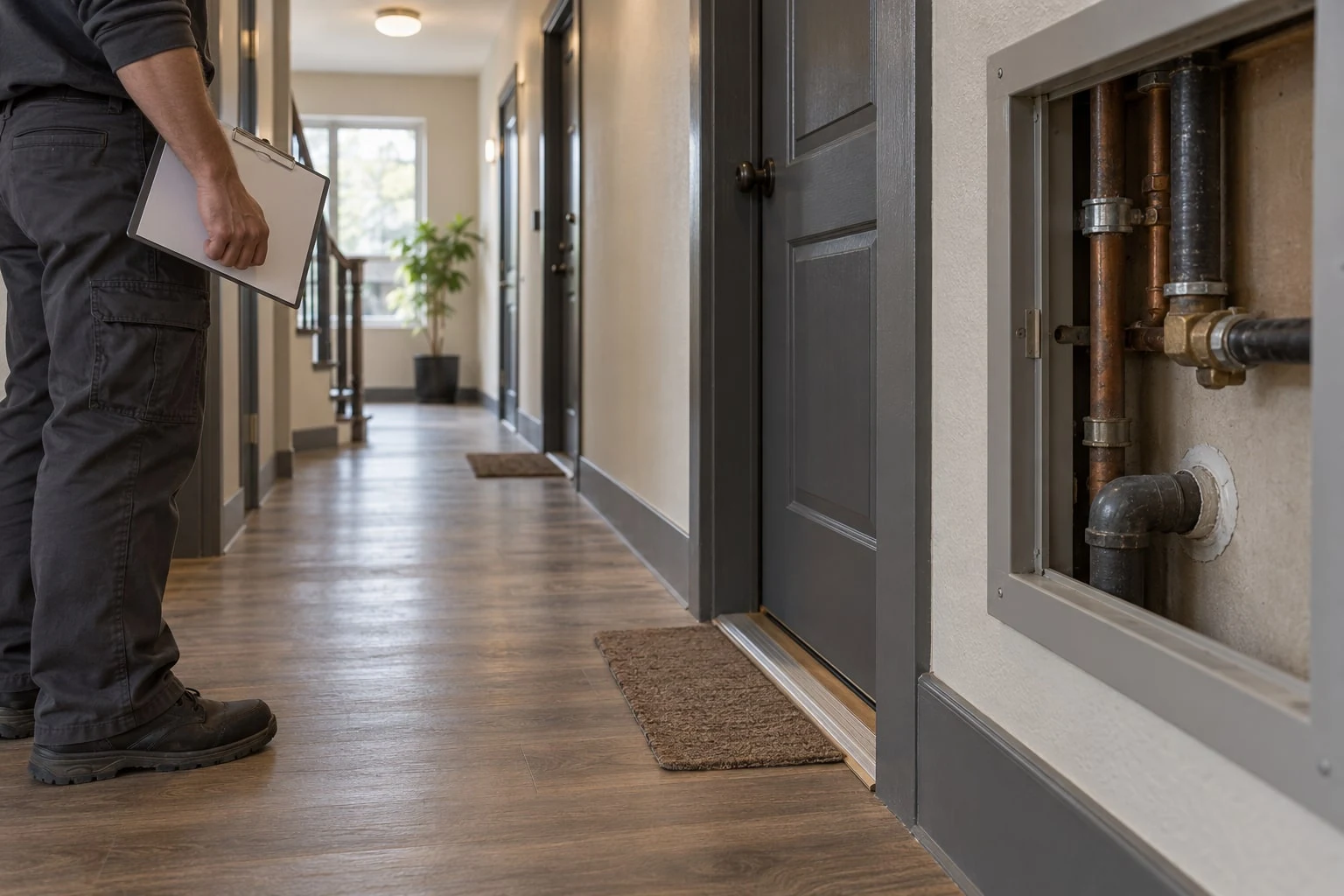
For each visit, log the units entered, signs found, device count and position, work performed, products and areas, repairs requested, and repairs completed. Keep resident preparation and re-entry instructions with the record. Escalate when a high-count unit cannot be accessed, a leak remains, or activity moves into neighboring units. Ask the provider which findings require another inspection and which are expected to decline under the present plan. Make the schedule workable for residents so the same places can be checked again.
See the restaurant monitoring articleReport the limit with the result
A useful report says both what improved and what remains unknown. “Trap captures declined in the twelve accessible kitchens checked” is more informative than “building clear.” Record missing access, an uninspected void, or an unresolved structural repair alongside the trend. A property manager can then arrange entry, budget repairs, and tell residents what will happen next without converting a research percentage into a promise for their building.
Build one report that keeps measures separate
A useful building table has a row for each accessible unit and common area, with columns for species, baseline signs, monitor location, follow-up count, leak or gap, repair status, and next check. Keep allergen samples or pesticide residue tests in their own columns with the date and sampling place. Do not combine them into one success score: a lower roach count and a repaired pipe mean different things. Mark a unit as not accessed rather than zero. At the next meeting, the manager can see which spaces improved, which were missed, and which maintenance requests have held up the program.
Sources: UC IPM cockroach guidance
Choose a response for each pattern
If roach catches fall in treated kitchens but rise near a shared riser, inspect and coordinate the connecting units. If mouse activity falls early and later returns, recheck repairs, waste handling, and rooms that were not accessible. If pest counts fall while a resident still has a health concern, do not turn the pest report into a medical conclusion; direct the concern to a clinician and explain exactly what was measured. Give residents a short preparation note and a way to report fresh signs with a date and location. The value of a building program depends on whether the same units can be reached again, as well as how many visits were scheduled.
Related Resources
Frequently Asked Questions
Which number best shows whether roach control worked?
Repeated trap catches at the same locations, combined with fresh signs and access records, are more useful than one sighting or a single dead insect.
Do lower cockroach allergens mean asthma is cured?
No. The cited study measured environmental allergens and pest activity. It did not establish an individual medical outcome.
Why inspect neighboring units?
Pests may move through shared routes, and units that could not be checked or treated can obscure the building trend. The scope depends on the species and what the inspection finds.
Sources
- Kass D, McKelvey W, Carlton E, et al. Effectiveness of an Integrated Pest Management Intervention in Controlling Cockroaches, Mice, and Allergens in New York City Public Housing. Environmental Health Perspectives. 2009;117(8):1219–1225. doi:10.1289/ehp.0800149. · Environmental Health Perspectives
- Wang C, Eiden A, Cooper R, Zha C, Wang D, Reilly E. Changes in Indoor Insecticide Residue Levels after Adopting an Integrated Pest Management Program to Control German Cockroach Infestations in an Apartment Building. Insects. 2019;10(9):304. doi:10.3390/insects10090304. · Insects
- Sked S, Abbar S, Cooper R, Corrigan R, Pan X, Ranabhat S, Wang C. Monitoring and Controlling House Mouse, Mus musculus domesticus, Infestations in Low-Income Multi-Family Dwellings. Animals. 2021;11(3):648. doi:10.3390/ani11030648. · Animals
- Cockroaches: Pest Notes, identification and management. · University of California Statewide Integrated Pest Management Program
Publisher
101 Exterminators Inc.
Based in Salinas, we serve Monterey, Santa Cruz, San Benito, Santa Clara, San Mateo, San Francisco, and Alameda counties. This article offers general guidance; an inspection is needed for property-specific findings.
About the company