
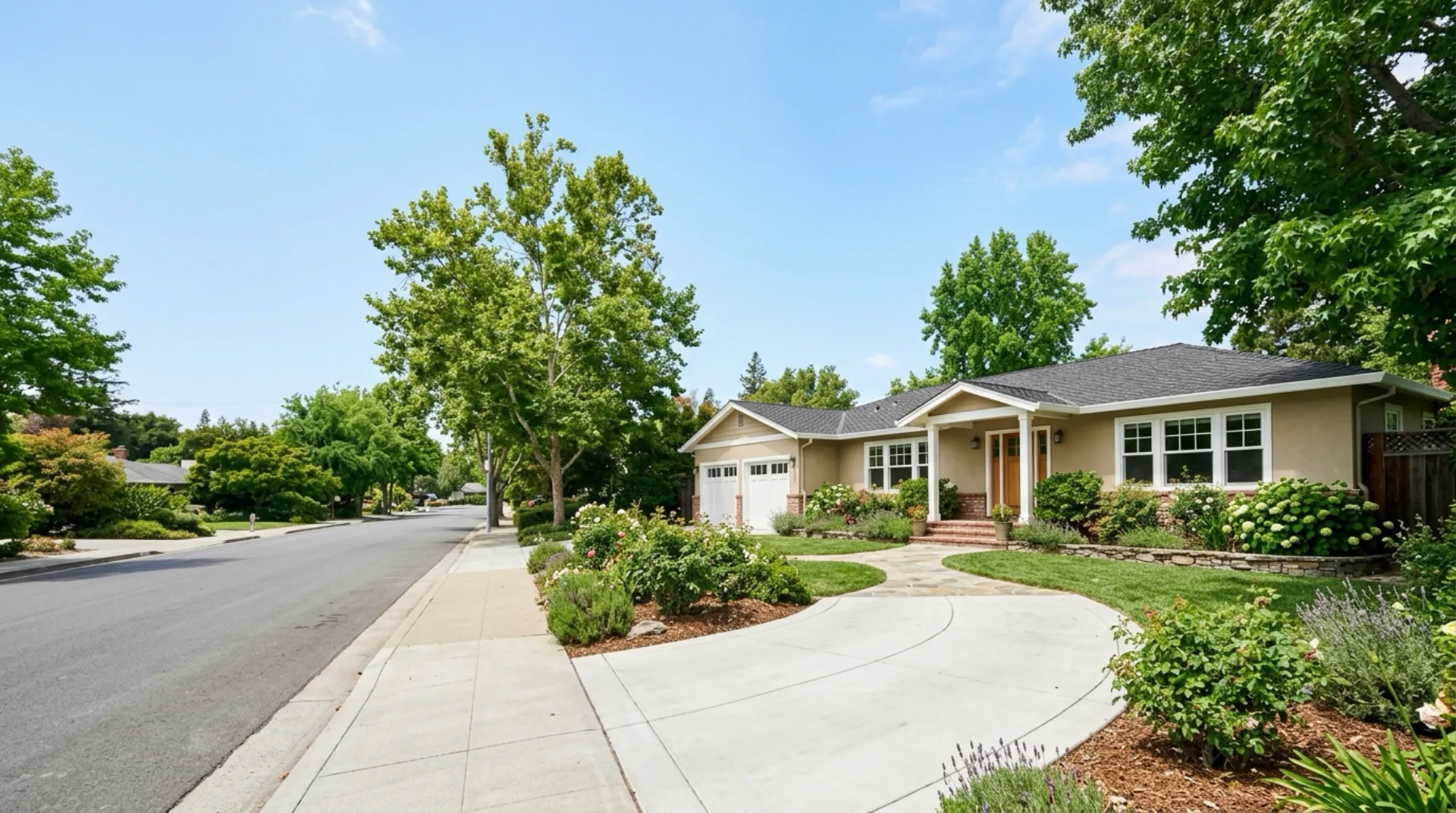
San Francisco, CA Cockroach Control & Exterminator Services
The Best Cockroach Exterminators in San Francisco
101 Exterminators offers cockroach control in San Francisco homes and businesses under SPCB Lic. #9119. A sighting in a flat or basement needs species identification. Shared plumbing and walls may affect inspection scope, but they do not establish where the insects came from.
Home maintenance
How do you keep cockroaches out of a San Francisco flat?
Starve them of water and seal the voids that connect rooms and units. Seventy percent of San Francisco homes sit in buildings with two or more units, so prevention often involves the whole building. UC IPM points to plumbing leaks, clutter and open gaps around doors as the conditions worth fixing first, and a tenant can handle much of it.
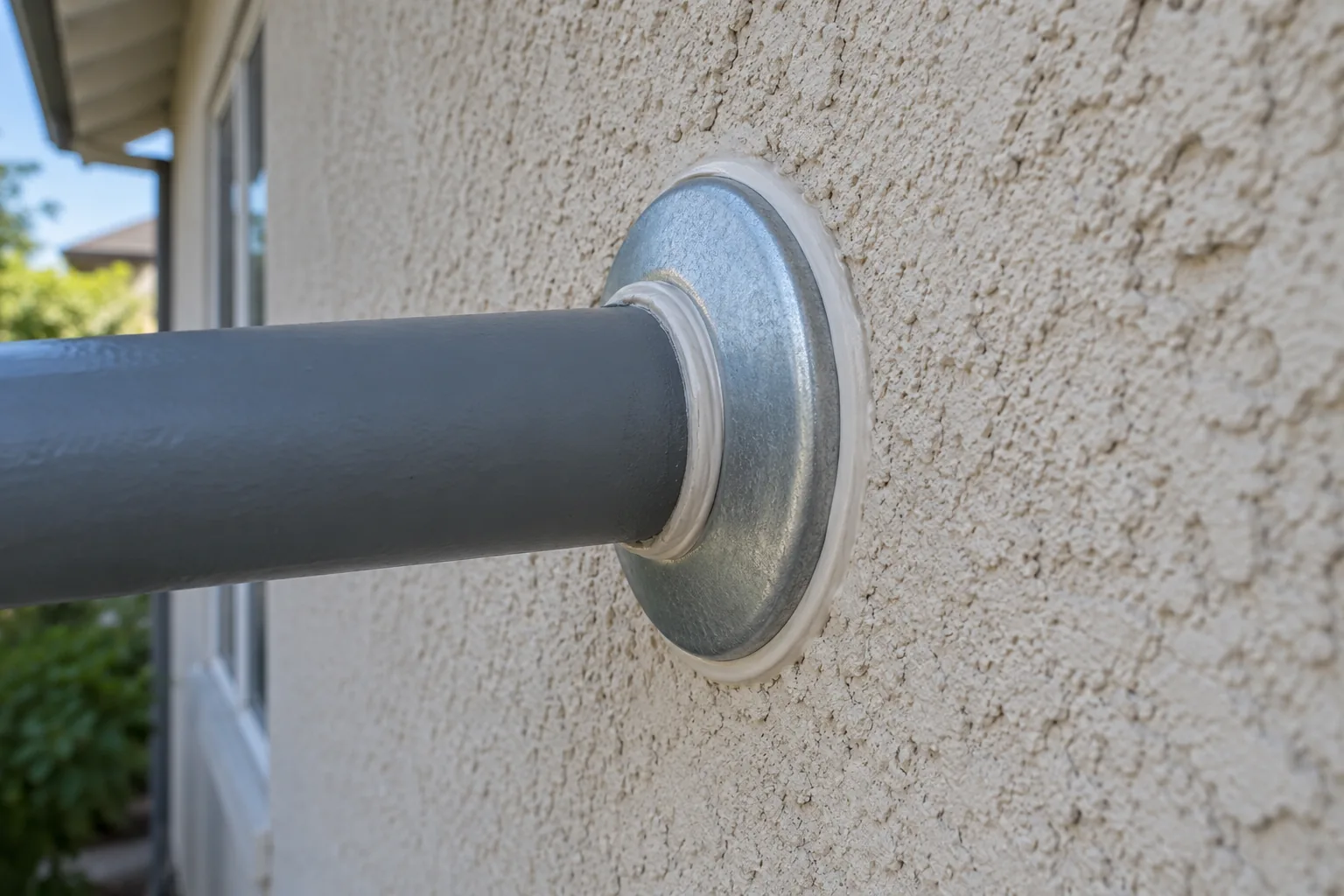
Seal false bottoms and hollow walls
UC IPM names false-bottom cupboards and hollow walls as common cockroach refuges that should be sealed. In an older flat, caulk the gap behind the sink base and where the kickboard has pulled away. Ask the owner to seal the shared side of a plumbing wall.
Keep basement drains wet and covered
Larger cockroaches favor damp basements and drains. Pour water into an idle floor drain each month so the trap stays full, and fit a drain cover. In San Francisco's ground-floor garages and laundry rooms, these drains can sit unused for weeks.
Recycle cardboard the day it arrives
UC IPM advises removing piles of cardboard and paper from kitchens and bathrooms. Break delivery boxes down and take them to the blue cart instead of storing them under the sink or in the hall closet of a small flat.
Fit sweeps on garage and rear doors
UC IPM recommends door sweeps and weather stripping to block entry. Check the door from the garage into the building and the rear door to the yard. If you can see daylight under either one, add a sweep.
Keep the rear yard drain clear
San Francisco's three wettest months, December through February, each average over 4 inches of rain. Clear leaves from the rear yard drain and the base of downspouts in November. Damp leaf litter against the building shelters outdoor cockroaches near doors.
When to do it
Seal and declutter any time; clear drains in November before the city's three wettest months.
Maintenance guidance: UC IPM: Cockroaches
Warning Signs
When to Ask About Cockroach Control in San Francisco
An assessment can look at the reported area, nearby food and water sources, and possible hiding places. The proposed plan may include monitoring, sanitation and leak corrections, exclusion, and targeted bait or other treatment appropriate to the species and site. If your business needs service records, name the required format before work begins.
Cockroaches seen in a kitchen, bathroom, storage area, or near a drain
Cockroach droppings (small, dark, pepper-like pellets) under sinks, behind appliances, or in cabinets
Egg cases (oothecae) — small, brown, capsule-shaped casings — in sheltered areas
Shed cockroach skins near harborage sites
Cockroach activity visible in commercial kitchen equipment, drain areas, or food storage
How It Works
What to Expect from Cockroach Control in San Francisco
Tell us where you have seen roaches and whether nearby rooms or units are affected. That helps us plan the inspection and treatment scope.
Identify the Pest and Activity
Share photos, a specimen if available, and dated sightings. An assessment can distinguish indoor breeding from outdoor entry and identify areas to inspect.
Check Food, Water, and Shelter
Look for leaks, food residue, gaps, and hiding places near the activity. Sticky monitors can help show where cockroaches are moving and provide a baseline for follow-up.
Agree on Targeted Work
Review the proposed bait, exclusion, sanitation, or other treatment, along with the rooms, preparation, and access it requires.
Review the Result
Compare sightings and monitor catches after service. If activity continues, ask whether another source, access gap, or change in the plan needs attention.
Why 101 Exterminators
Why Choose 101 Exterminators for Cockroach Control in San Francisco
Species Before Treatment
Indoor-breeding and outdoor-invading species call for different management choices. Identification helps set the scope.
Records for the Facility
Tell us what your manager or inspector asks to see, then confirm which service notes the written plan will provide.
Monitor After Service
Dated sightings and consistently placed traps help show whether activity is falling or a source remains.
Address Conditions That Sustain Activity
Food, water, shelter, and entry gaps are part of the assessment because pesticide alone may not solve the problem.
Common Questions
Cockroach Control FAQs for San Francisco
Do cockroaches in a San Francisco apartment mean the building is dirty?
No. Cockroaches can arrive with goods or move through building gaps; a sighting does not establish how a resident keeps the unit. Report the location promptly so the species and route can be assessed.
Big cockroaches appear in my San Francisco basement after a storm. Where are they from?
They may be associated with drains or damp sub-areas, but size and timing do not confirm the species or entry route. Save a photo or specimen for identification and note the exact room and drain nearby.
One flat in my building has roaches. Will they reach mine?
They may, depending on the species and available routes. Ask the manager about inspection access to adjoining units or common areas rather than assuming spread or treating unaffected rooms without evidence.
Local Pest Pressure
Common Pests We Treat in San Francisco
Every area has its own pest profile shaped by climate, housing, and geography. These are the pests we see and treat most often in San Francisco — tap any one to learn how to identify it and what treatment involves.
Cockroach Control · San Francisco
Schedule Service in San Francisco
Tell us what you have found and where. If you're new to us, start a recurring plan and we'll take 10% off your first service.