
San Francisco, CA Commercial Pest Control & Exterminator Services
The Best Commercial Pest Control Experts in San Francisco
101 Exterminators offers commercial pest control in San Francisco for restaurants, shops, workplaces, lodging, and managed buildings. In a mixed-use building, one reported kitchen may sit beside another tenant’s storage or a shared waste room. Tell us the exact location, who controls nearby areas, and what records your operation needs.
Home maintenance
How do San Francisco businesses and building owners keep pests out?
Build the city's owner rules into daily routine. San Francisco requires rodent-proof, watertight refuse containers, sealed gaps over a quarter inch and a written log of vermin reports. Restaurants and mixed-use buildings share trash rooms and plumbing between tenants. UC IPM's guidance on deliveries, storage and staff training covers the rest of the routine.
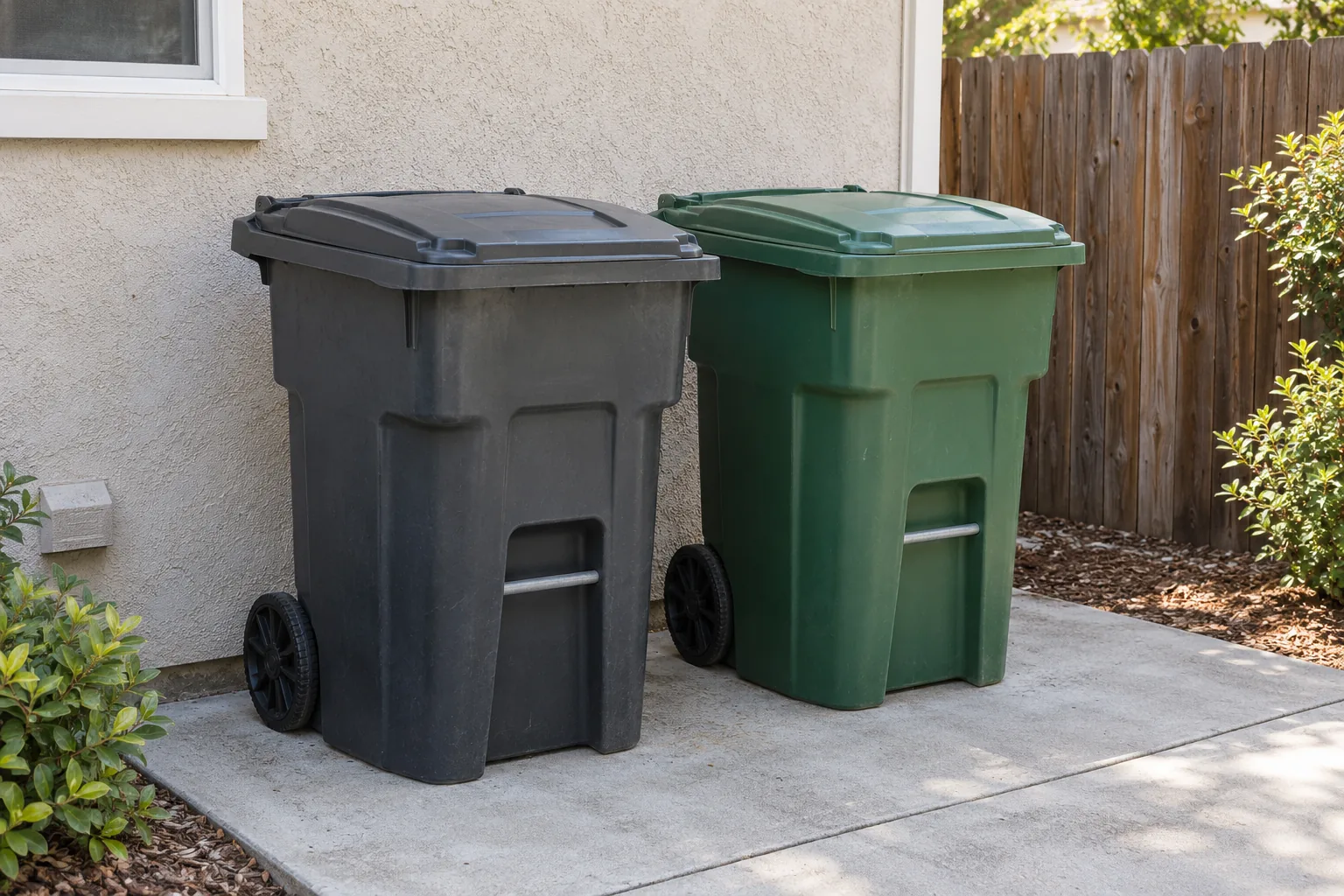
Keep the trash room sealed
Close container lids after each use, keep the trash room door shut and fit it with a sweep. UC IPM advises keeping garbage containers away from doorways. In a mixed-use building, put the cleaning schedule for the shared room in writing.
Inspect deliveries at the back door
UC IPM advises checking food deliveries before they reach the kitchen. Open cases at receiving, look for cockroaches or droppings in corners and flaps, and break down cardboard there. Refuse damaged product.
Seal pipe chases between tenants
San Francisco's commercial corridors stack shops under flats, and pipes run through both. Seal openings around pipes and conduit at each floor and wall with metal or concrete, as UC IPM advises, so a problem in one space has fewer routes to the next.
Train staff to log sightings
UC IPM's multi-unit housing work found that training staff and tenants to report pests improved participation. Keep a log at the back office, record each sighting with date and location, and review it with your service provider and building manager.
When to do it
Check the trash room and doors at closing each day, and review the sighting log with the building manager each month.
Maintenance guidance: UC IPM: Cockroaches
Warning Signs
When to Ask About Commercial Pest Control in San Francisco
Commercial work starts from a specific problem or a recurring program. For a problem, we inspect the affected area and the spaces connected to it, then propose a scope. For a program, the written proposal names the included areas, the visit interval, the methods, the records you receive and how follow-up works. Apartment buildings and restaurants each have their own page with the detail: unit access and resident prep for one, the kitchen stations and inspection records for the other. Termite work, fumigation, bed bug treatment and structural rodent exclusion are scoped separately. We do not handle wildlife or big game; raccoons, skunks, opossums and deer go to a wildlife control operator. If your operation needs particular records or a restricted appointment window, raise it before booking. Our office and technicians work in English and Spanish.
A dated sighting or pest evidence in a specific room, unit or storage area
Activity near receiving, storage, waste, or food-handling areas
Repeated reports from tenants, staff, or guests
Termite evidence in a commercial, agricultural or apartment building
An access or documentation gap in the current service plan
A new site opening with pest-management needs to define
How It Works
What to Expect from Commercial Pest Control in San Francisco
Tell us the type of facility, where activity was found and what service records you need. We can discuss access and scheduling around your operation.
Describe the Site
Tell us the property type, the pest signs and their exact locations, your operating hours, and who controls access to adjoining areas, units or tenant spaces.
Inspect the Areas Pests Use
We inspect the reported area and the spaces connected to it within the agreed scope: receiving, storage, waste areas, shared walls, utility rooms and the exterior.
Agree on the Plan
Review the proposed areas, methods, visit interval, record format, and any repairs or sanitation work before you authorize anything.
Review Findings Each Visit
Service findings and new sightings decide whether the scope, the access or the follow-up needs to change.
Why 101 Exterminators
Why Choose 101 Exterminators for Commercial Pest Control in San Francisco
All Types of Commercial Work
Apartments, restaurants, offices, retail, warehouses and agricultural buildings run through one office. Our work includes fumigating commercial and agricultural buildings and treating soil for subterranean termites at apartment complexes.
A Scope You Can Check
The written plan names the rooms, shared areas, visit interval and specialty work included, so managers know what to expect.
Access Planned With Operations
Share production, guest, or tenant access limits before booking. We will confirm an available appointment window for the areas involved.
Records Matched to the Site
Tell us what service notes or findings your operation needs, then confirm the proposed record format before work begins.
Common Questions
Commercial Pest Control FAQs for San Francisco
What pest documentation does a San Francisco restaurant need for a health inspection?
Requirements depend on the business and inspector. Ask your manager or regulator what records are needed, then confirm which dated service notes, corrective actions or device details can be included in the written plan.
Why does activity return to a San Francisco kitchen after cleaning?
Cleaning helps, but returning activity may involve an untreated harborage or access route. In a shared building, ask whether adjoining service areas or plumbing spaces can be assessed. Identification and evidence should guide the method.
Can you service a San Francisco business outside operating hours?
Possibly, depending on appointment availability and the property. Tell us your operating hours, which areas can be opened and whether a visit can happen while staff are present. Confirm any agreed window in the service plan.
Local Pest Pressure
Common Pests We Treat in San Francisco
Every area has its own pest profile shaped by climate, housing, and geography. These are the pests we see and treat most often in San Francisco — tap any one to learn how to identify it and what treatment involves.
Commercial Pest Control · San Francisco
Schedule Service in San Francisco
Tell us what you have found and where. If you're new to us, start a recurring plan and we'll take 10% off your first service.