Published by
101 Exterminators Inc.
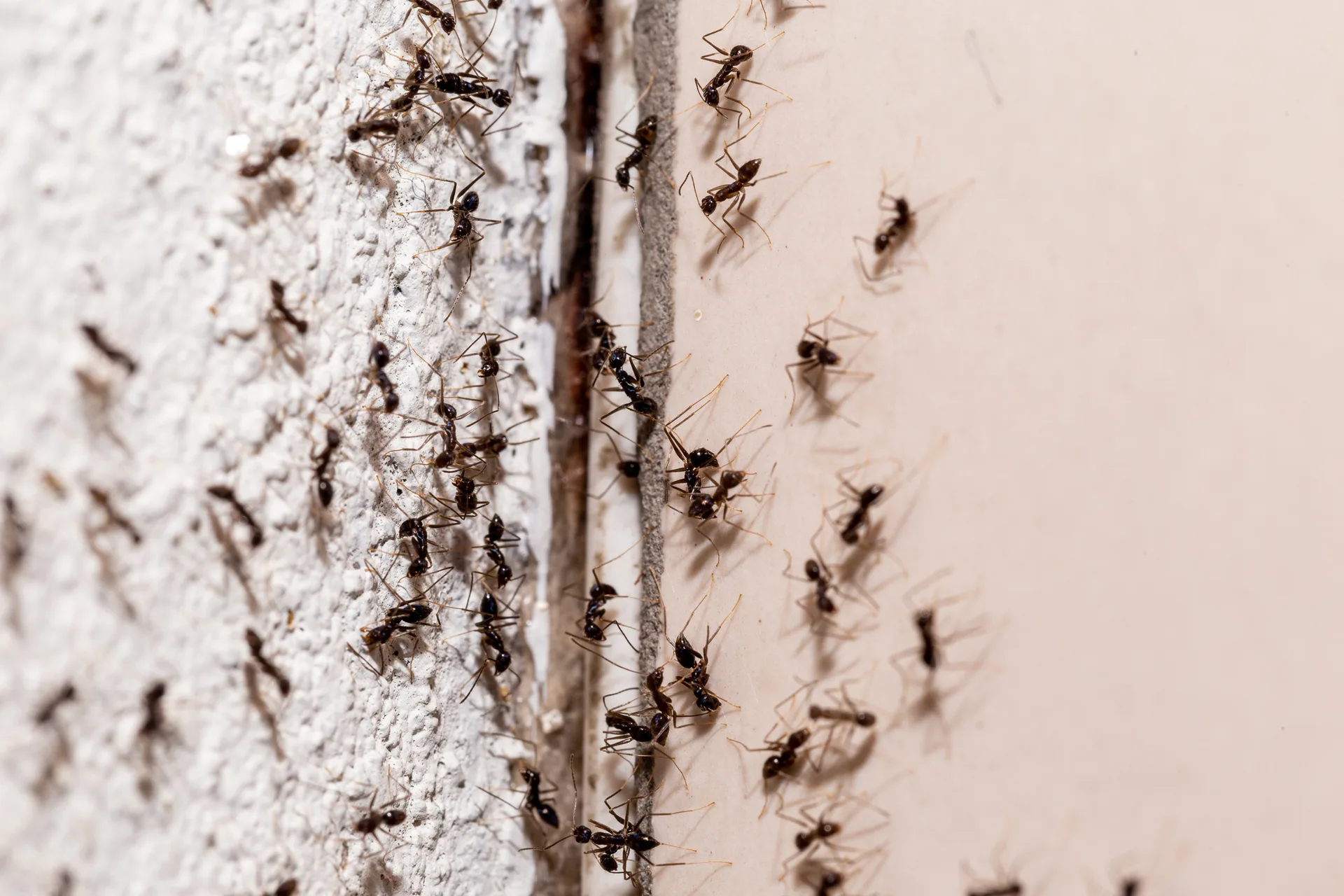
Finding a small bug near a bed is stressful. In a Salinas house or apartment, the first useful step is to save evidence and find out what it is. Bites alone do not identify bed bugs. A clear photo, captured insect, or signs near a sleeping area can guide an inspection. Avoid carrying loose bedding or furniture into another room while the source is still unclear. If you rent, report the concern to the owner or manager so access and next steps can be arranged. A careful start protects other rooms and gives the inspector facts to work with.
Check the bed area, not the skin alone
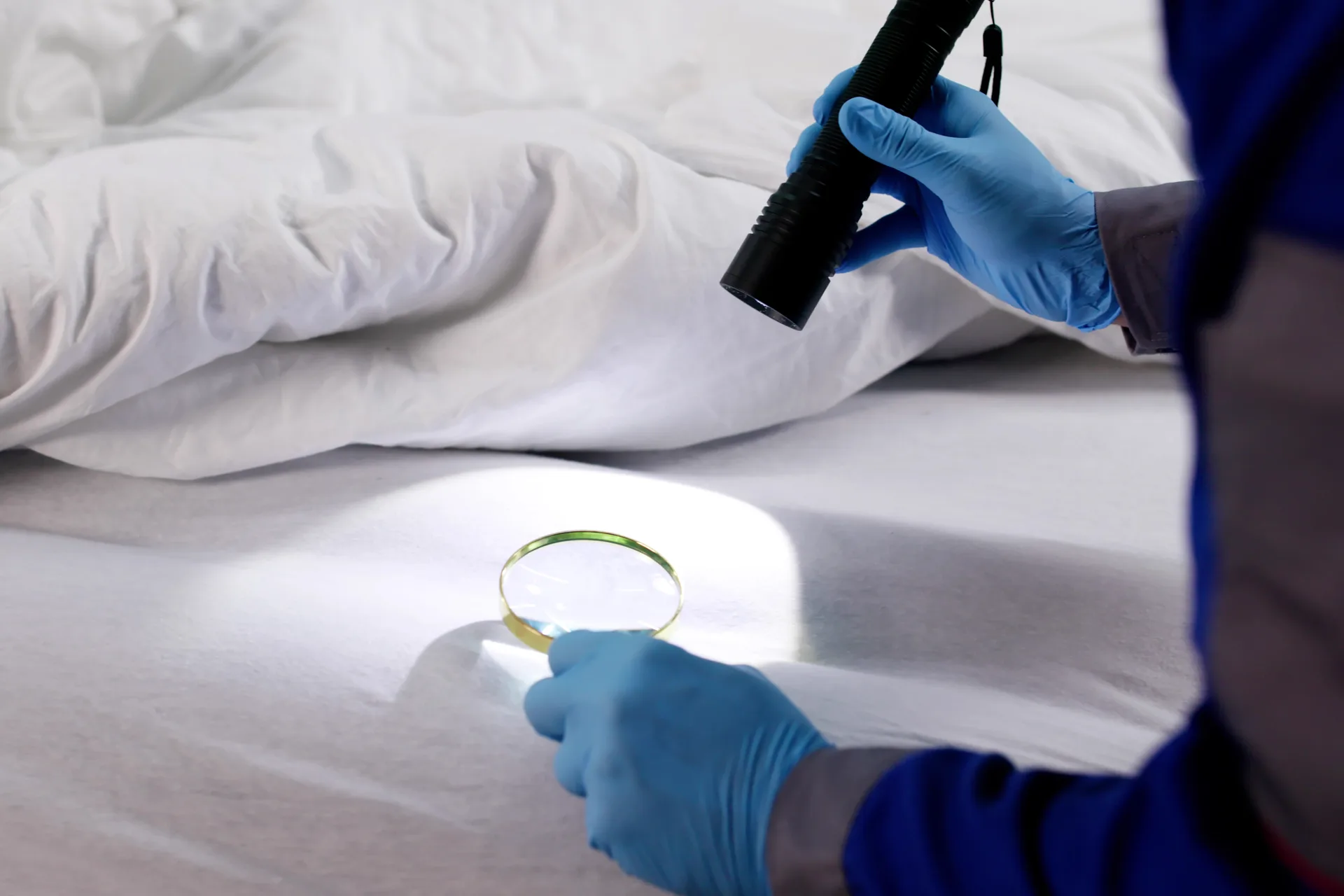
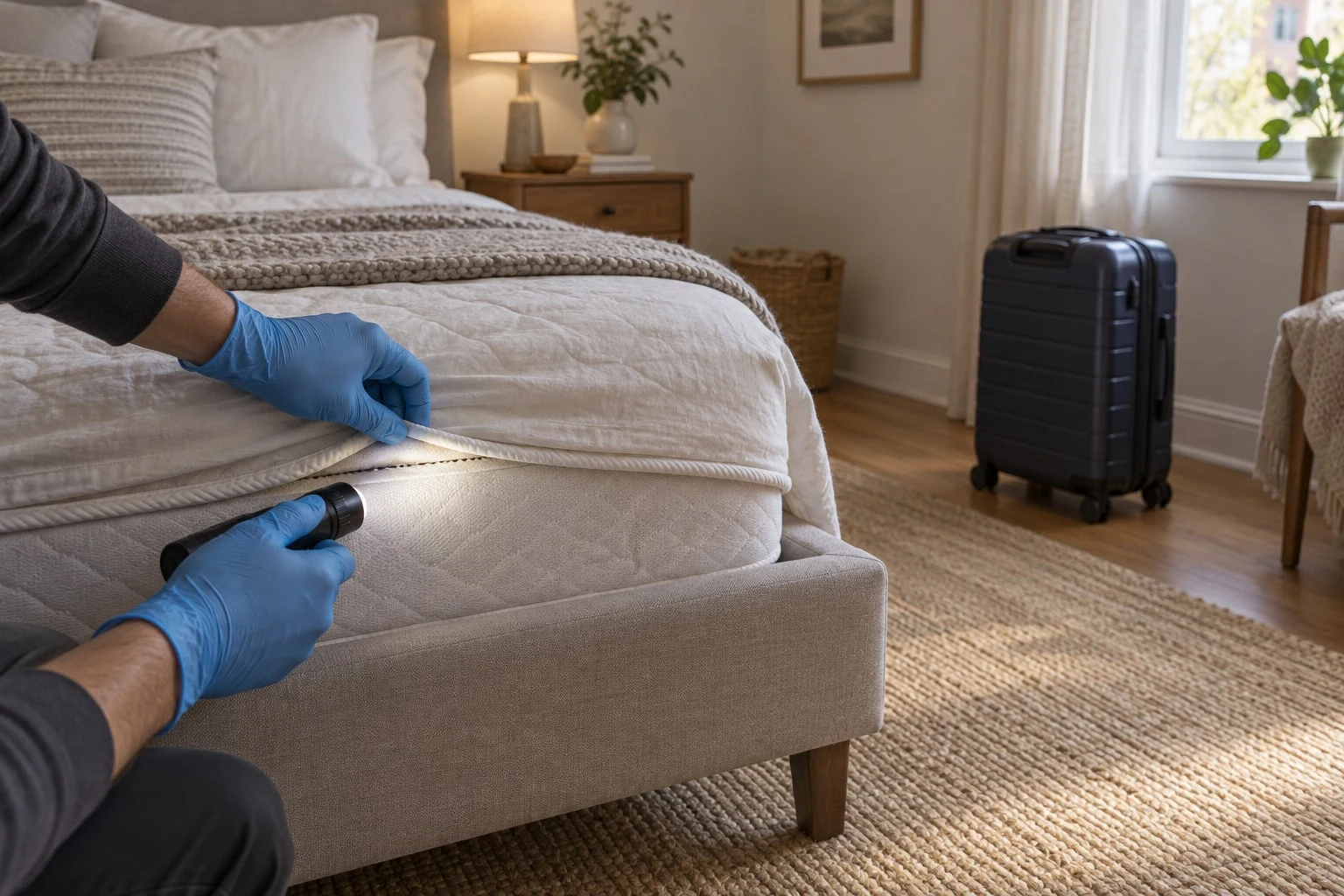
UC IPM and the California Department of Public Health describe live bugs, shed skins, and dark spots near sleeping places as signs to look for. Inspect mattress seams, the bed frame, headboard, and nearby furniture with a light. Save a bug in a closed container or take a sharp photo if that is safe. Note the date and exact place. Skin marks can have other causes, and some people have no reaction to bed bug feeding. Monterey County notes that cleanliness has little to do with an infestation; a sighting is not a judgment about the home. If the insect is uncertain, ask a professional to identify it before treatment. Do not call a room clear because one quick look found nothing.
See Salinas bed bug serviceSources: UC IPM bed bug guidance · California bed bug guidance · Monterey County bed bug guidance
Keep suspect items from spreading
Bed bugs can ride on bedding, clothing, luggage, and furniture. Do not move loose items from a suspect room into a clean room or set a mattress in a shared hallway. If laundry must be moved, ask how to bag and carry it under the service plan. Do not discard furniture before an inspection without asking how it will be handled; moving it can spread bugs and erase clues. UC IPM warns against consumer foggers for bed bugs. They do not solve the hidden problem and may expose people to the product. Keep a list of items moved before and after the first finding so the inspector can decide what else to check.
Read the preparation resourceSources: UC IPM bed bug guidance · CDPH rental housing guidance
If you rent, make one clear report
Tell the Salinas property owner or manager where and when you found the sign, and send the photo or saved insect details. Ask who will arrange a licensed pest inspection, how the findings will be shared, and which rooms need access. California public health guidance calls for a written way to receive bed bug reports and a coordinated response with tenants and the pest operator. It also addresses nearby units in multiunit housing. Avoid blaming a neighbor or assuming the bug started in your unit. A common report log is more useful than separate stories with no dates or room numbers.
See the manager prevention guideSources: CDPH rental housing guidance
When a housing concern needs another route
If a rental report stalls, keep copies of your dated notice, photos, inspection findings, and replies. Monterey County Environmental Health has a housing complaint process that includes insect infestations. Check its current submission channel and whether it covers your address; the County says jurisdiction can vary. A complaint process does not replace identification, treatment, or follow-up at the property. Share the same clear record with any inspector so the concern can be reviewed without guessing at the source.
Sources: Monterey County housing program · Monterey County complaint process
Prepare only after you know the method
Ask for written directions tied to the rooms, belongings, people, and pets at the property. A plan may include cleaning, bagging, encasements, steam, heat, or labeled products. The provider should explain who does each task, what must remain in place, what can be moved, and when a room may be used again. Do not make your own heat schedule or combine sprays because you saw one bug. Different methods have different access and safety needs. If a resident cannot move a bed or complete a task, tell the manager and company early so the scope can be adjusted rather than guessed at on the service day.
Use the bed bug preparation checklistSources: UC IPM bed bug guidance · CDPH rental housing guidance
A lower count is progress, not proof of clearance
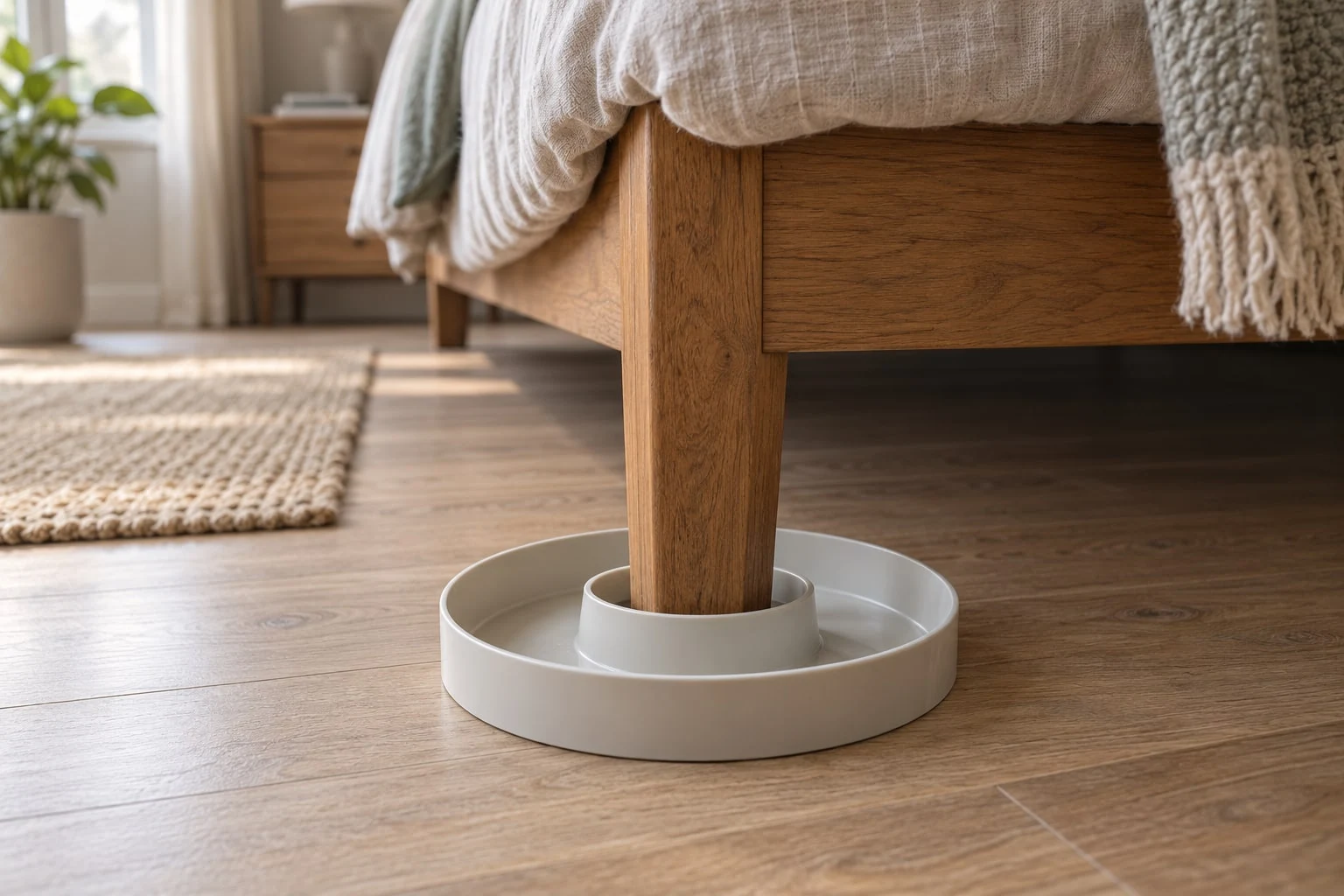
In a small New Jersey apartment program, bed bug counts fell sharply after several treatment steps and repeat visits. Yet only three of nine apartments met the study's elimination rule. The four homes that began with more than 300 bugs still had activity months later. That study cannot predict a Salinas home's result. It shows why a sighting log, dated interceptor counts, and repeat inspection matter after treatment. A separate trial found that steady interceptors helped reduce low bed bug counts in selected apartments; it did not prove that traps alone clear heavy infestations. Ask what the written plan treats as completion.
Learn how to read interceptor countsSources: Singh et al. (2013) · Cooper et al. (2016)
Keep a record that answers the next question
Write down the first sign, insect identification, rooms checked, service method, items kept sealed, and dates of later checks. Note what was not inspected. Keep photos of any new bug or spot and ask the company to identify it. If a monitor is used, record its place and count at each check. A zero in a cup that was moved or blocked tells little about the room. If a new live bug appears, ask whether it was missed, survived treatment, or arrived later; the evidence may not settle that at once. Request a new inspection plan instead of assigning blame or claiming a guarantee failed.
Sources: UC IPM bed bug guidance
Related Resources
Frequently Asked Questions
Do bites prove I have bed bugs?
No. Skin reactions vary and have other causes. Look for an insect or physical signs and ask for identification.
Should I move to another room to sleep?
Ask the pest professional and manager first. Moving loose bedding and belongings can spread bugs or make the inspection harder.
Does one empty interceptor mean the apartment is clear?
No. It records what that device caught during that check. Read it with its placement, repeat checks, and a visual inspection.
Sources
- Bed Bugs: Pest Notes, identification and management. Updated May 2013. · University of California Statewide Integrated Pest Management Program
- Bed Bugs: signs, prevention, and control resources. · California Department of Public Health
- Pests: bed bug information for Monterey County residents. Last modified August 29, 2025. · Monterey County Health Department, Environmental Health
- Housing: residential housing complaint investigations. Last modified September 9, 2025. · Monterey County Health Department, Environmental Health
- Environmental Health Complaints: program scope and jurisdiction. Last modified November 18, 2024. · Monterey County Health Department, Environmental Health
- Guidance for Property Owners and Tenants on the Control and Prevention of Bed Bug Infestations in California. September 2017. · California Department of Public Health
- Singh N, Wang C, Cooper R. Effectiveness of a Reduced-Risk Insecticide Based Bed Bug Management Program in Low-Income Housing. Insects. 2013;4(4):731–742. doi:10.3390/insects4040731. · Insects
- Cooper R, Wang C, Singh N. Effects of Various Interventions, Including Mass Trapping with Passive Pitfall Traps, on Low-Level Bed Bug Populations in Apartments. Journal of Economic Entomology. 2016;109(2):762–769. doi:10.1093/jee/tov337. · Journal of Economic Entomology
Publisher
101 Exterminators Inc.
Based in Salinas, we serve Monterey, Santa Cruz, San Benito, Santa Clara, San Mateo, San Francisco, and Alameda counties. This article offers general guidance; an inspection is needed for property-specific findings.
About the company