
101 Exterminators Inc.
CA Licensed Structural Pest Control · SPCB Lic. #9119
Yes — professional pest control reliably eliminates cockroach infestations in Santa Cruz County homes and businesses. The key is identifying which species you're dealing with before treatment, because German cockroaches (the small, fast ones in your kitchen) and American cockroaches (the large ones coming from drains and sewer lines) require completely different approaches.
The Two Cockroach Problems in Santa Cruz County
Santa Cruz County has two distinct cockroach situations, and misidentifying which one you have is the most common reason DIY treatment fails:
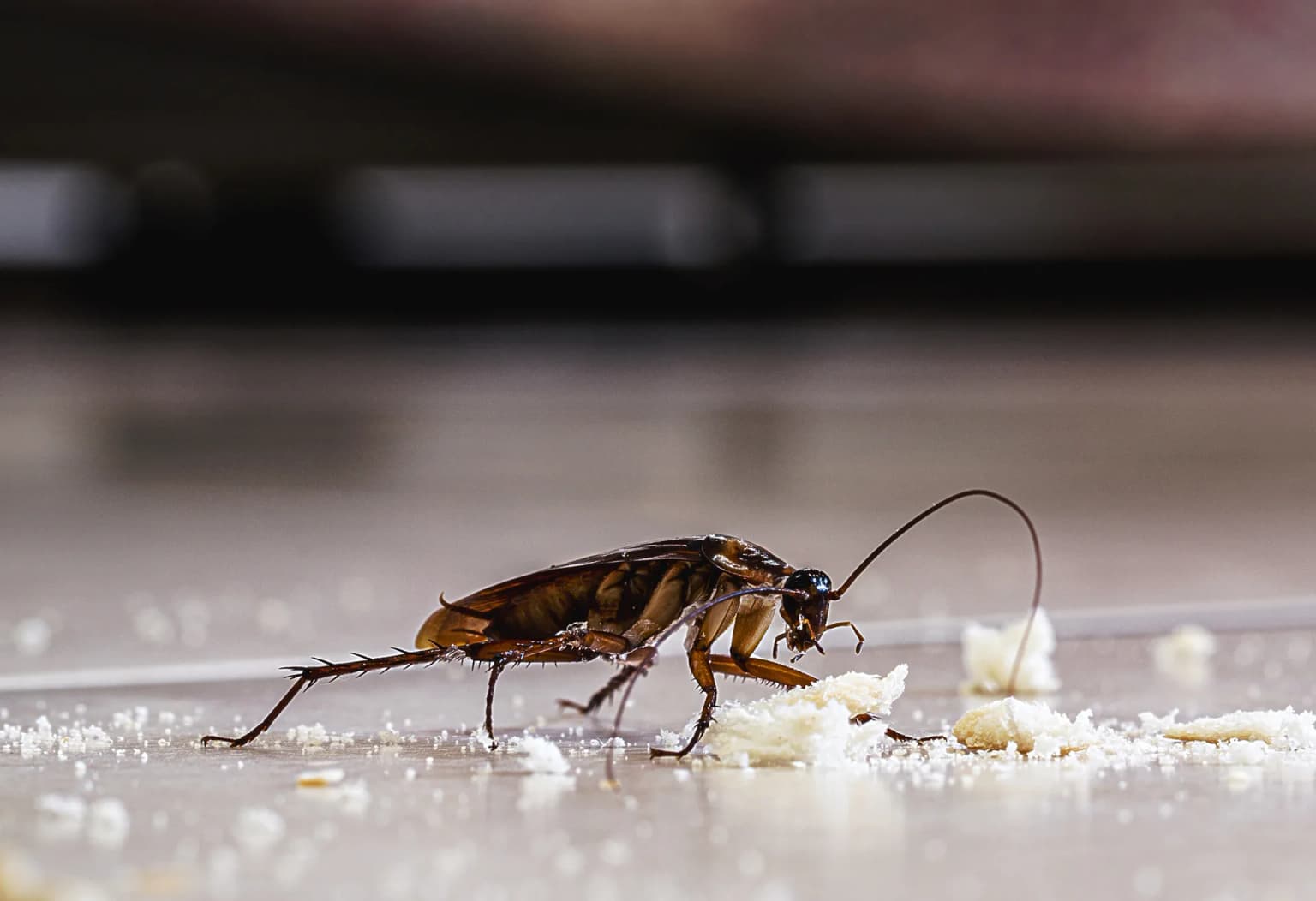
- German cockroaches (Blattella germanica) — small (15mm), light brown with two dark stripes behind the head. The dominant restaurant and apartment cockroach throughout the county. They live entirely indoors, reproduce extremely rapidly, and are the #1 cockroach we treat in Santa Cruz city, Capitola, and Watsonville multi-unit properties. They come in via cardboard deliveries, used appliances, and shared walls with infested neighboring units.
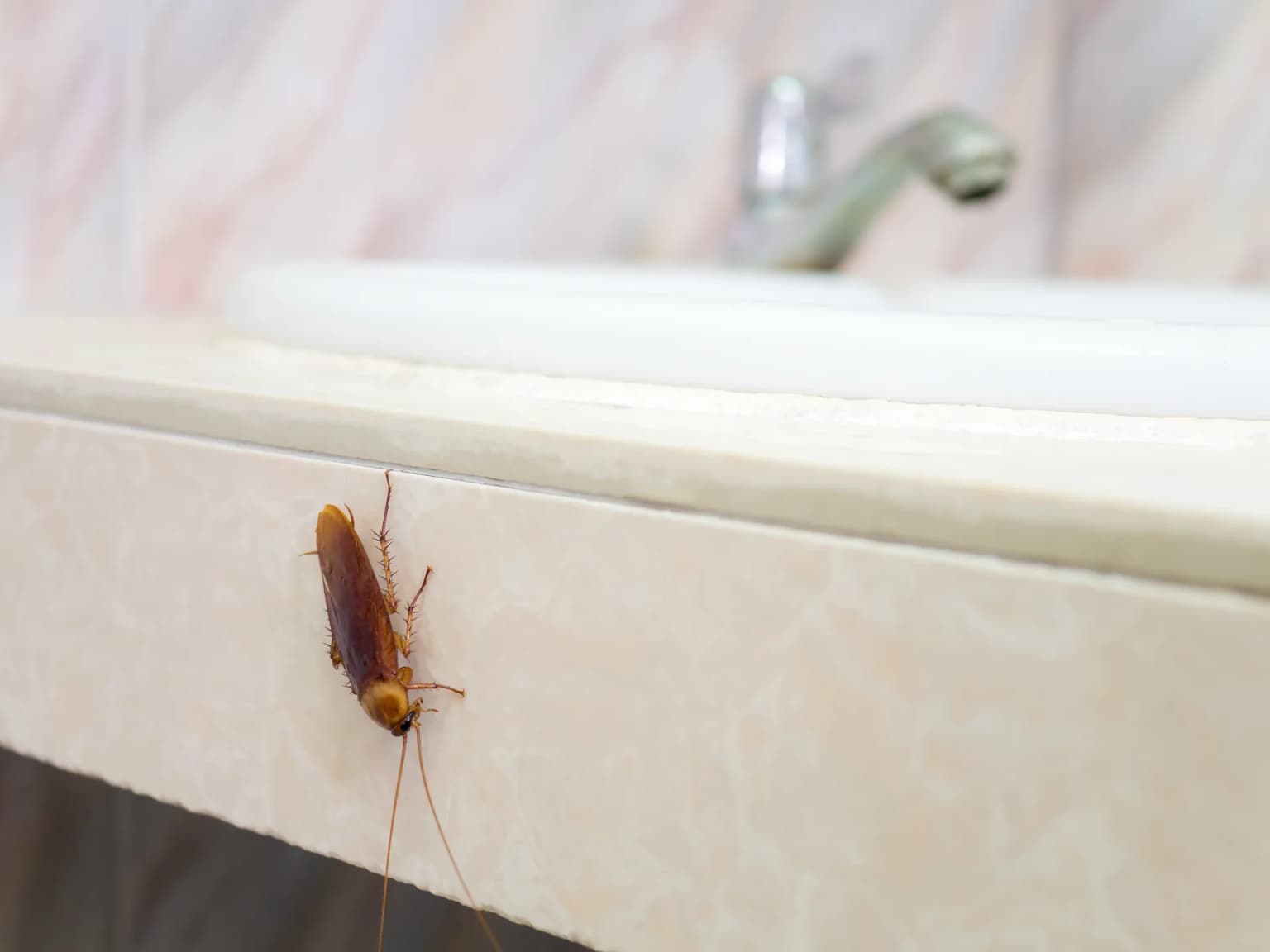
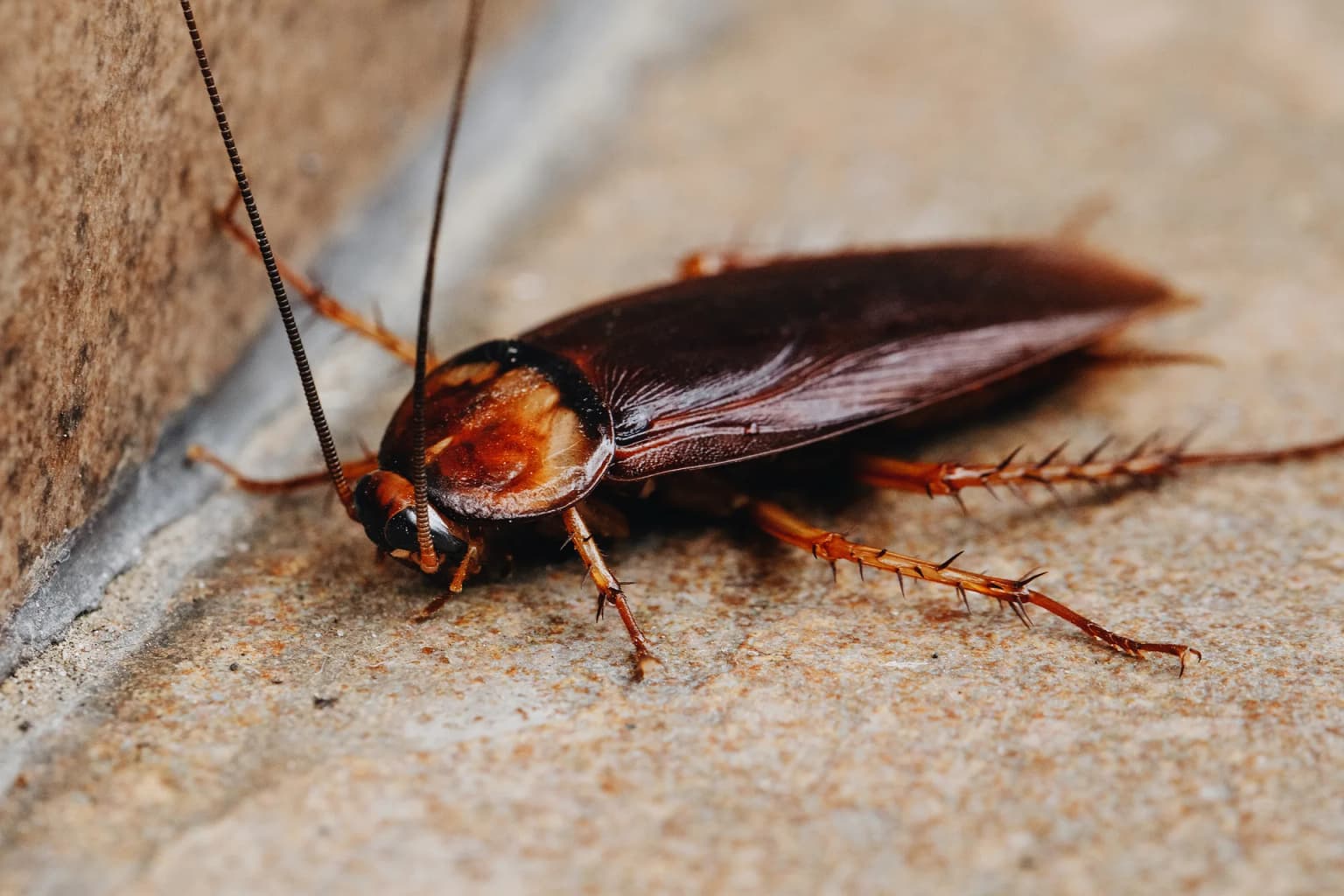
- American cockroaches (Periplaneta americana) — large (40mm+), reddish-brown. They live in sewer systems, drains, and outdoor wet environments and enter structures from below — through floor drains, under dishwashers, and via cracked sewer lines. More common in older Santa Cruz city buildings, beachfront properties, and any structure with aging plumbing.
Why Santa Cruz Homes See More Cockroach Activity
Three factors create higher-than-average cockroach pressure in coastal Santa Cruz County:
- Older housing stock — a significant portion of Santa Cruz city's residential housing was built before 1970. Older buildings have more structural gaps, aging plumbing with cracked sewer lines, and kitchen and bathroom configurations that create harborage areas that modern construction doesn't. American cockroaches in particular exploit these structural vulnerabilities.
- Restaurant and commercial density — downtown Santa Cruz and the beach boardwalk area have high restaurant density. German cockroach populations in commercial kitchens regularly spread to adjacent residential units, especially in older downtown buildings where units are above or adjacent to food service businesses.
- Coastal humidity — the persistent moisture in Santa Cruz County's coastal zone makes conditions more favorable for both species year-round. American cockroaches need high humidity to survive outdoors; the coastal climate extends their habitat range significantly compared to inland areas.
Why Store-Bought Products Don't Work
The most common reason cockroach infestations persist after repeated DIY treatment: using the wrong product type. Repellent sprays scatter the population and push cockroaches deeper into walls. Bomb foggers fill the air but can't penetrate inside cabinet hinges, under appliance motors, or inside wall voids where cockroaches actually live. And German cockroaches develop resistance to pyrethroids — the active ingredient in most hardware store products — extraordinarily fast.
Important
Stop using spray products if you have an active cockroach infestation. Every spray application that doesn't kill every cockroach selects for resistant individuals, accelerating resistance development in the population.
Professional Treatment: What Actually Works
Effective cockroach control in Santa Cruz homes combines several targeted approaches:
- Gel bait rotation — protein-based and sugar-based baits (Advion, Maxforce) applied in small dots in the specific locations cockroaches use: inside cabinet hinges, under drawer liners, behind the refrigerator condenser coil, under the dishwasher, inside the range hood. The rotation matters because German cockroaches' food preferences cycle between carbohydrate and protein; the wrong bait at the wrong time gets ignored.
- IGR (insect growth regulator) — products containing hydroprene or pyriproxyfen prevent nymphs from developing into reproductive adults, collapsing the population over 4-6 weeks without relying solely on contact kill.
- Crack-and-crevice treatment — a targeted pyrethroid (applied as a micro-injection, not a spray) in specific harborage areas: expansion joints, plumbing penetrations, the gap between the countertop and backsplash.
- Drain treatment — for American cockroach situations, treating floor drains and ensuring drain traps are maintained with water eliminates their primary entry pathway.
- Exclusion — sealing the specific gap where cockroaches are entering, whether it's a gap around a drain pipe under the sink or a sewer cleanout access.
Cockroaches in Santa Cruz Vacation Rentals
The coastal Santa Cruz market has a large vacation rental population — Airbnb, VRBO, and other short-term rental properties. German cockroaches spread through vacation rentals via luggage and belongings from guests who've stayed in infested properties elsewhere. A single cockroach egg case (ootheca) in a guest's bag can establish a new infestation. For vacation rental owners, quarterly preventive inspections and treatment are the best protection against an infestation that generates devastating reviews.
How Long Treatment Takes
For a typical German cockroach infestation in a Santa Cruz home with a single kitchen/bathroom focus: gel bait begins working within 24-72 hours as foraging individuals contact it and carry toxicant back to the harborage. Expect a significant reduction in visible activity within 1-2 weeks. Complete elimination typically takes 3-5 weeks with the IGR component preventing the next generation from reproducing. For American cockroach situations from drain sources: eliminate the source, treat drains, and expect resolution within 1-2 weeks.
Related Resources
Frequently Asked Questions
Why do I have cockroaches when I keep a clean house?
German cockroaches enter via deliveries, used items, and shared walls — not because of sanitation. A spotless kitchen can have a cockroach infestation if a neighboring unit is infested and they've migrated through shared wall voids. American cockroaches come from drains and sewer systems regardless of cleanliness.
I see large cockroaches in my Santa Cruz home — what are they?
Large cockroaches (over 30mm) are almost certainly American cockroaches, also called palmetto bugs or waterbugs. They live in sewer systems and enter through drains and plumbing gaps. Check that all your sink drain traps have water in them (they can dry out in unused drains), and look for gaps around pipe penetrations under sinks.
Do cockroaches disappear on their own?
No. German cockroach populations double approximately every 3 months under ideal conditions. An infestation that starts as a few individuals in the kitchen will be in the walls and bathroom within 6 months without treatment.
Can cockroaches spread between apartments in a Santa Cruz condo?
Yes — this is the most common source of repeat infestations in multi-unit Santa Cruz buildings. Even after effective treatment of your unit, re-infestation from neighboring units can occur through shared wall voids, plumbing chases, and gaps around electrical conduit. If you're in a multi-unit building, ask the property manager to arrange building-wide treatment rather than unit-by-unit.
How much does cockroach treatment cost in Santa Cruz County?
The cost of a residential cockroach treatment in Santa Cruz County varies with the extent of infestation and property size, and ongoing prevention is available on a quarterly schedule. We provide a free pest evaluation and written estimate before any treatment.
Written by
101 Exterminators Inc.
CA Licensed Structural Pest Control · SPCB Lic. #9119 · Serving Central California since 2005
The 101 Exterminators team has been treating homes and businesses across Monterey, Santa Cruz, San Benito, and Santa Clara counties since 2005. Our technicians hold California SPCB Branch 2 and Branch 3 licenses and draw on 20+ years of real-world pest management experience in Central California.