Published by
101 Exterminators Inc.
Where will the work happen? When may a child use that room again? Where should the dog be during service? Ask these questions before a Santa Cruz home visit. Send a photo of the pest and note where you saw it, then ask what can be done without a pesticide and what any proposed product’s label requires for your household.
Begin with the pest and the pressure point
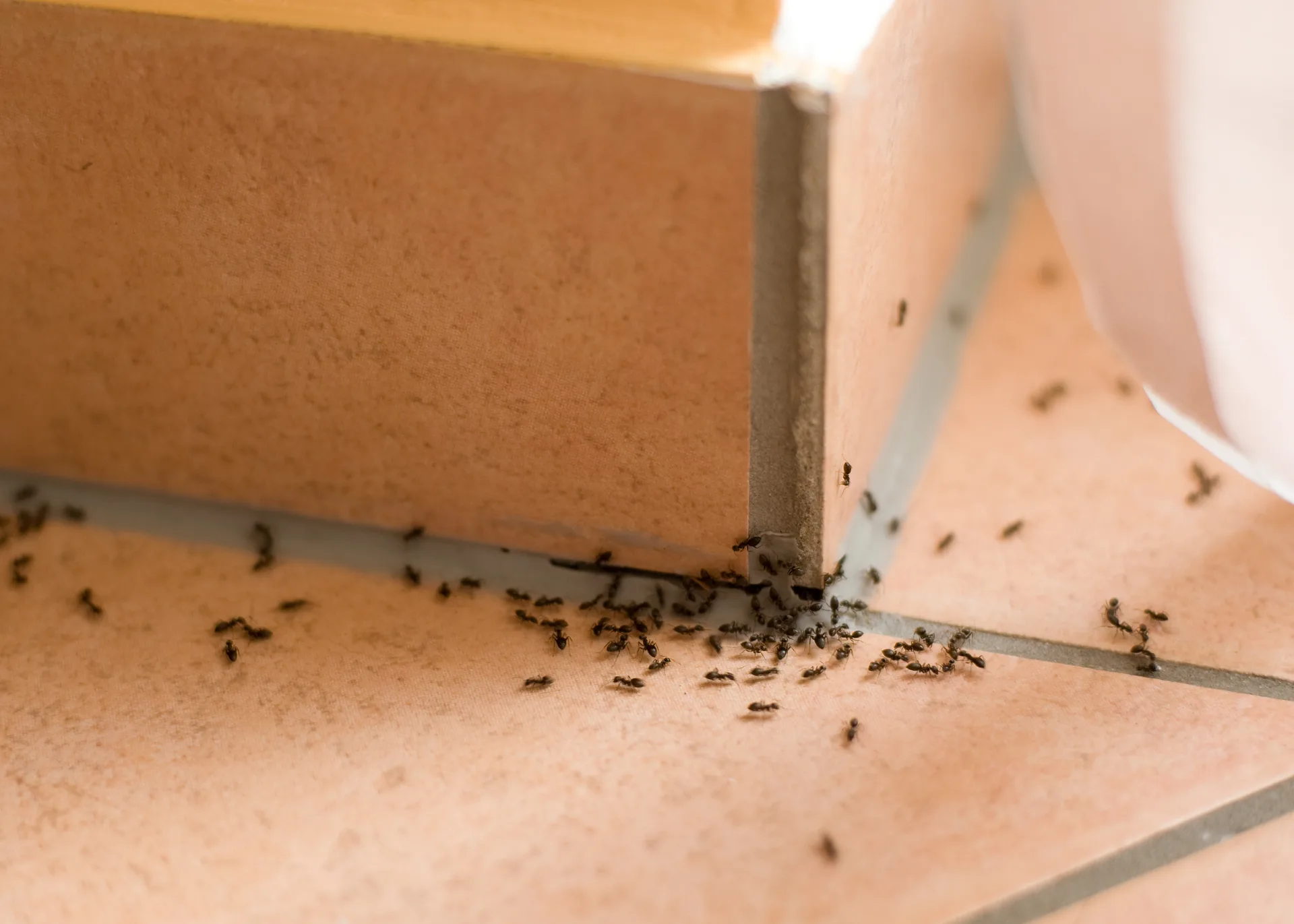
Ants on a counter, cockroaches near a cabinet, and termites in wood call for different responses. Ask how the pest was identified and what evidence was found. For ants, food storage, leak repair, and sealing an entry route may reduce activity. For cockroaches, cleaning, closing entry gaps, and tracking activity guide targeted work. A termite proposal needs a structural inspection and a method suited to the species.
Tell us about your household and schedule serviceAsk what can be done without a pesticide
Fix a reachable leak, protect food, remove clutter near a pest route, or repair an entry gap when the timing is right. These are practical parts of integrated pest management, not a substitute for every treatment. A technician should explain which step is expected to help at your property and what finding would change the plan.
If a product is proposed, make the instructions specific
Ask for the product name, its intended location, how it will be applied, and the label instructions that affect your household. Tell the company about children, pets, aquariums, gardens, and any area people regularly touch. The EPA says to follow pesticide labels. Ask the technician to explain the label directions that affect your rooms, yard, children, and pets. Do not mix products or use them beyond their labels.
Plan the visit around real use of the space
Before service, ask what needs moving and whether anyone must leave or keep away from a treated area. Get the re-entry and cleaning instructions for the actual product and application, preferably in writing. Re-entry time depends on the product and application. If you have a dog that needs to stay indoors or a child who plays on a patio, tell the scheduler so the work can be planned around that constraint.
Compare proposals without a slogan
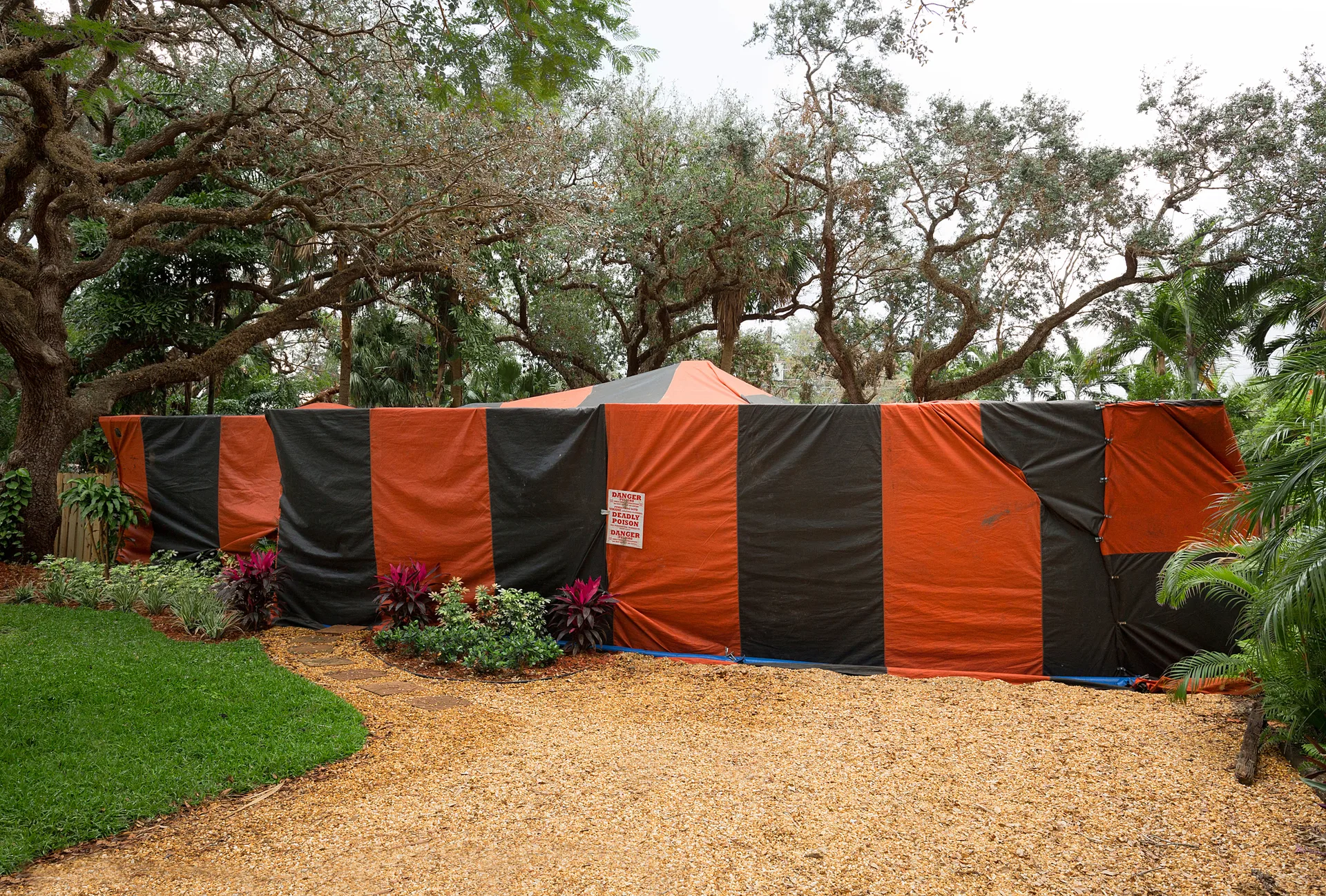
Ask each company what it will treat, why, what nonchemical work it expects from you, what areas remain untreated, and how follow-up is handled. “Natural,” “green,” or “low toxicity” is not an outcome measure. For drywood termites, even a botanical spot treatment may miss hidden colonies; compare its coverage with the inspection evidence and written scope.
Keep a short record
Save the pest identification, written scope, product information, prep and re-entry instructions, and dates of follow-up. If activity changes, describe where and when it happens. That record helps the company adjust a plan without guessing from a single sighting.
Related Resources
Frequently Asked Questions
Is any pest control treatment completely safe for children and pets?
No blanket safety claim fits every product and use. Ask for the specific label, placement, precautions, and re-entry directions for the proposed work.
Does eco-friendly mean pesticide-free?
There is no single definition in a service slogan. Ask which nonchemical steps are planned and whether a pesticide is proposed.
Can I request a different treatment approach?
Yes. Share your household constraints and ask the inspector to explain available methods, their limits, and the instructions for each.
Sources
- Pesticide safety tips and label directions · US Environmental Protection Agency
- Ant management and prevention · UC Statewide IPM Program
- Cockroach management and monitoring · UC Statewide IPM Program
- Drywood termite treatment limits · UC Statewide IPM Program
See how we check and update our guides in our content standards.
Publisher
101 Exterminators Inc.
Based in Salinas, we serve Monterey, Santa Cruz, San Benito, Santa Clara, San Mateo, San Francisco, and Alameda counties. This article offers general guidance; an inspection is needed for property-specific findings.
About the company