Published by
101 Exterminators Inc.
A home with a dog may need a call the night before. A business may need steady updates across visits. Customers describe both needs in reviews transcribed on our published reviews page. Each account describes one customer’s experience, not a job log or a promise for another visit. To plan yours, tell the company what may block access, show where pest activity changed, and agree on the next check.
Advance notice can solve a household problem
Havi Mom says in a published review that the team sent an email a few days before a scheduled visit and called the night before because the household had a dog to keep inside during the work. The useful detail is the reason for the call. If a pet, gate, tenant, or work schedule affects access, tell the scheduler before the visit and confirm the plan when the appointment is set.
A narrower arrival window helps people plan
Julia Bettencourt wrote that Jimmy sent a text a couple of days before the visit with a tighter arrival window, then sent an update on the day. She said ants once came in during warm months and that she had seen none for two years. Ask how the company sends arrival updates and what to do if the time changes.
Use the visit to say what changed
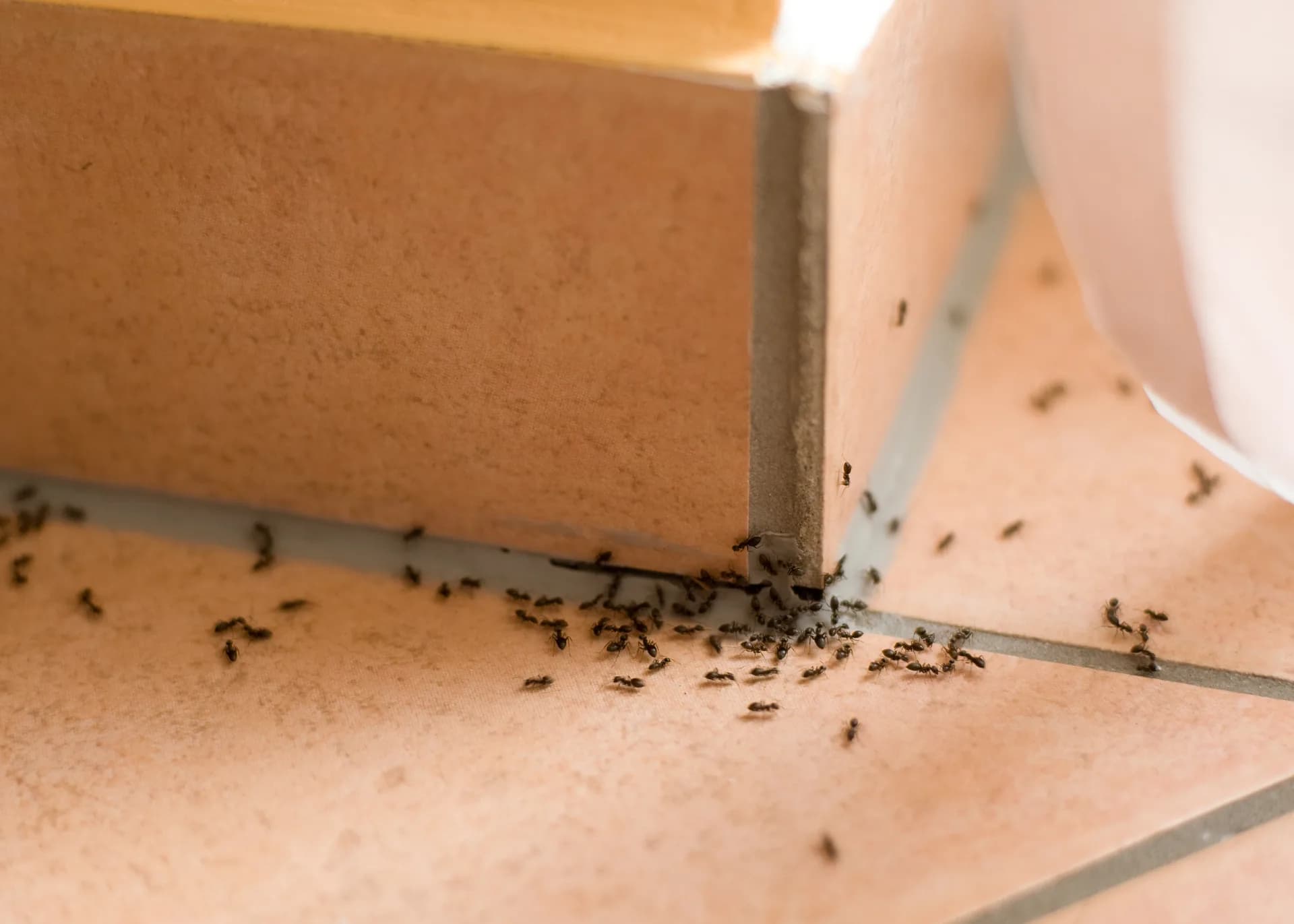
Edilcia Perez reported that there were fewer ants and spiders, and that the company responded when activity increased. Annette Cunningham wrote that ants were gone inside her home after service from Juan. For your own visit, point out the exact room, entry route, and date of new activity; a specific change is easier to assess than “the bugs are back.”
Recurring service needs a clear record
Mike Kendall wrote that Jimmy had served as his pest control tech for more than ten years and kept in touch about visits and follow-up. R. S. wrote about clear updates at each business visit, without naming a pest or city. A short log can hold the date, pest signs, rooms entered, and next check. It helps when different people are on site from one visit to the next.
Before the next appointment
Use a short note to give the technician the facts they can act on:
- Which pest you saw, or a clear photo if identification is uncertain.
- Where and when you saw it, including any change since the last visit.
- Pets, children, tenants, locked areas, or business hours that affect access.
- The best contact method for arrival updates and post-visit questions.
After the visit
Ask what was found, what areas were treated or left uninspected, any preparation or re-entry instructions, and what change should prompt a call. Keep the written service scope, including any follow-up terms for your property.
Related Resources
Frequently Asked Questions
What should I tell a pest control company before a visit?
Share the observed pest or photo, where and when activity occurred, and any pet, access, or schedule needs. Ask how arrival updates will be sent.
How should I ask about follow-up after a visit?
Ask what signs to watch for, how to report them, and what follow-up is included in your written service scope.
What if pest activity increases between visits?
Record where and when it changed and contact the company using the method in your service agreement. A dated photo or short log helps the technician assess it.
Sources
- Company-published customer review excerpts · 101 Exterminators Inc.
Publisher
101 Exterminators Inc.
Based in Salinas, we serve Monterey, Santa Cruz, San Benito, Santa Clara, San Mateo, San Francisco, and Alameda counties. This article offers general guidance; an inspection is needed for property-specific findings.
About the company