
101 Exterminators Inc.
CA Licensed Structural Pest Control · SPCB Lic. #9119
Professional pest control gets rid of fruit flies when the work starts at the breeding site rather than the adults in the air. Fruit flies do not fly in from the yard looking for a fruit bowl. They hatch inside the building, in the film of fermenting matter that coats a drain wall, a disposal seal, a mop bucket, or a bag of onions gone soft in a cabinet. Kill the adults and you buy about a week, because the next generation is already sitting in the pupal stage. Find the source and the population falls apart on its own. A licensed technician earns the visit by reaching the source you cannot open.
Where They Breed, and Why It Is Rarely the Fruit Bowl
A fruit fly needs a wet, fermenting film to lay eggs in, and it needs very little of it. A teaspoon of residue in a low spot of a drain line will run a colony for months. These are the sites we find most often, in rough order of how often they turn out to be the answer.
- Sink and floor drains — The slime on the inside wall of the pipe, above the water line, is the most common breeding site in both homes and commercial kitchens. A drain that smells faintly sweet rather than sour is usually the one.
- Forgotten produce — A potato sprouting at the back of a cabinet, an onion gone soft in its bag, or trimmings at the bottom of a compost pail.
- Recycling bins — Beer and wine residue in unrinsed bottles and cans, especially in a warm garage or a back hallway.
- Mop buckets and damp rags — Standing water plus organic soil is the whole recipe.
- Leaking disposals and supply lines — The cabinet floor under a slow leak grows the same film a drain does, and nobody looks there.
Pro Tip
Tape a clear plastic bag or a strip of wide clear tape sticky-side-down over each suspect drain before bed, leaving the drain otherwise undisturbed. Flies stuck to it in the morning tell you which drain is feeding the room.
The Salinas Valley Version of the Problem
Salinas ships lettuce, strawberries, and broccoli from spring through late fall, and that harvest calendar shows up in the fly calls we take. Kitchens here handle more raw produce, and handle it in higher volume, than a restaurant of the same size in a town without fields at the edge of it. Trim waste and culls sit in bins out back. Walk-in floors stay damp. Eggs ride in on the skin of fruit that looked fine at the cooler and hatch on your prep table two days later. In the Oldtown restaurants along Main Street, the buildings are old enough that the floor drains empty into lines nobody has opened in years, and that is where the source turns up when the visible kitchen is spotless.
Did You Know
Several different small flies get called fruit flies, and each one means different work. Drain flies, also called moth flies, have furry bodies and rest on the wall near the drain. Phorid flies scuttle across a surface instead of flying and often point to a broken sewer line under the slab. Fungus gnats come from overwatered potted plants. Identification comes before treatment, because the wrong identification wastes the whole visit.
What to Check Before You Call
Work through these in order. Most homeowners find the source in an afternoon, and the ones who do not have at least narrowed the search enough that a technician can finish it quickly.
- Search where the flies are not — Adults gather at windows and lights, away from the site. Pull the stove and the refrigerator out and look at the floor behind them.
- Treat every drain in the room — Boiling water knocks the top off the film. A bacterial drain product, the foam or gel kind that digests buildup, works on the rest. Once a week for three weeks.
- Clear the soft produce — Anything bruised, sprouting, or fermenting goes, including whatever has settled at the bottom of the compost pail.
- Rinse the recycling — Bottles and cans before they go in the bin, and wash the bin itself while you are there.
- Set a vinegar trap for counting, not for control — A jar of cider vinegar under a paper funnel tells you whether the numbers are dropping. It will never empty the room.
Pro Tip
Two weeks of clean drains and no soft produce should end it. Flies still in the room after that mean either a source you have not found or an insect that is not a fruit fly.
When to Bring In a Licensed Technician
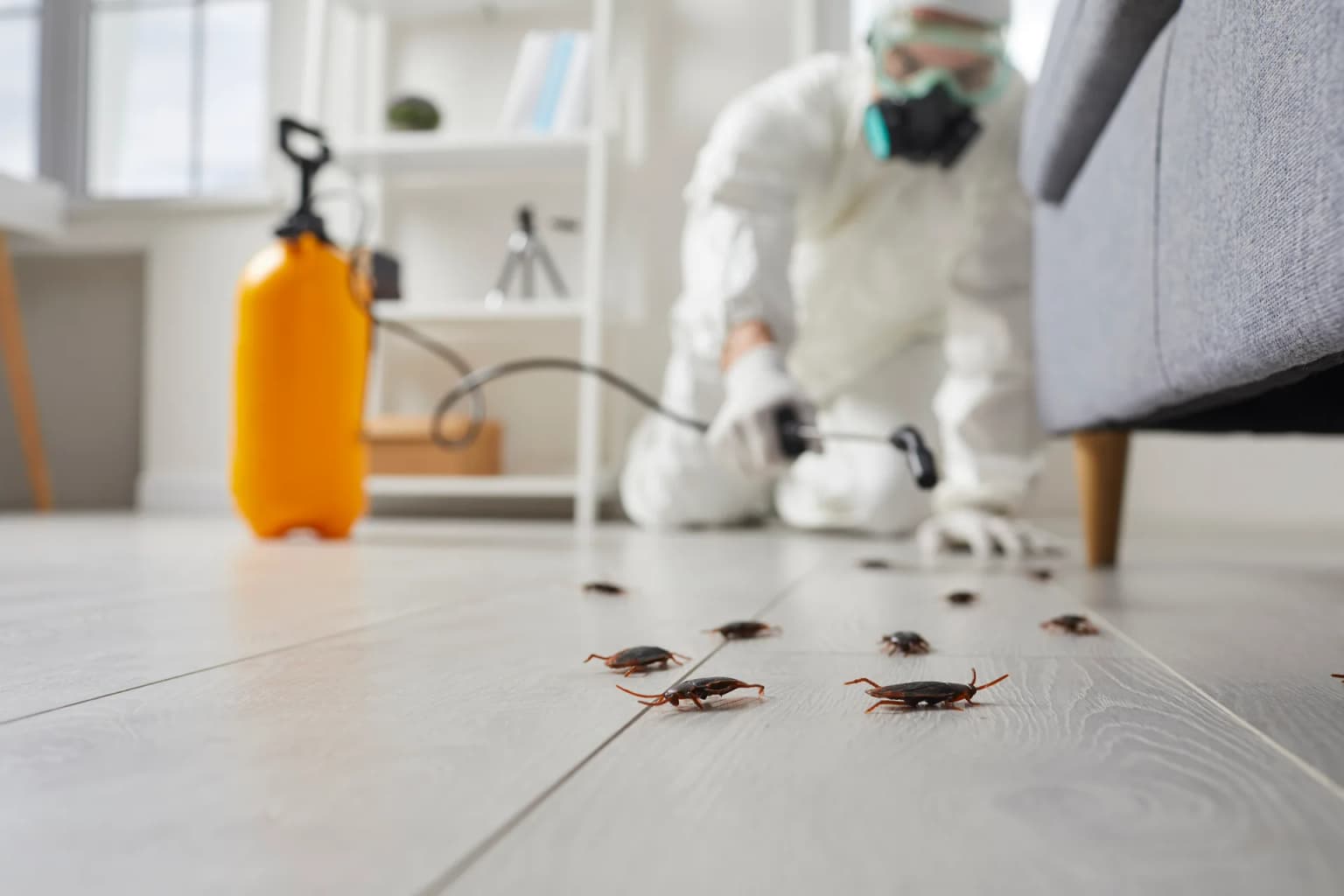
Call when you have done the source work and the flies keep coming, when the source sits behind a wall or under a slab where you cannot reach it, or when the building is a commercial kitchen that cannot absorb the disruption of guessing. A technician opens lines a homeowner cannot, treats with professional foaming products that cling to the full pipe wall instead of running straight through, and applies targeted misting only where it belongs in a food area. 101 Exterminators has held SPCB Lic. #9119 and worked kitchens in this valley since 2005. A free pest evaluation puts a licensed technician in the room to tell you in person what you are dealing with, with nothing issued in writing on that visit, and a written estimate follows if there is work to do.
The Routine That Keeps Them From Coming Back
Prevention here is sanitation on a schedule rather than a product on a shelf. Once a week, run a bacterial treatment through every drain in the kitchen, check the produce drawer and the cabinet where the onions live, wash both sides of the disposal splash guard, and take the trash out before the bag is full. In a commercial kitchen, put the drain treatment on the closing checklist so it happens whether or not anyone remembers the last outbreak. Salinas restaurants that hold that line through the summer harvest are not the ones calling us in September.
Related Resources
Frequently Asked Questions
How long does it take to get rid of fruit flies?
Once the breeding source is gone, the adults in the room die off within a week or two, which is roughly how long an adult fruit fly lives. Nothing you spray shortens that by much, because the eggs and pupae already in place sit protected inside the film. Flies still flying after two weeks of clean drains and cleared produce mean a second source somewhere you have not looked yet.
Where do fruit flies come from if there is no fruit on the counter?
A drain, in most of the homes we inspect. The film on the inside of the pipe holds enough fermenting material to run a colony with no fruit in the house at all. Produce deliveries are the other route: eggs ride in on the skin of fruit that looked clean in the store, and they hatch after the fruit has been sitting a couple of days.
Why are fruit flies worse in summer?
Temperature drives the life cycle. A fruit fly goes from egg to flying adult in roughly eight to ten days when the room sits near 77 degrees, and it takes more than twice that long when the kitchen stays in the low 60s. Coastal Monterey County kitchens run cool enough for most of the year to keep the numbers down, and then one warm stretch in late summer shortens the cycle and the population climbs within days.
Do fruit flies bite?
No. They have no biting mouthparts and cannot sting. The concern is contamination: they feed on fermenting and decaying material, then walk across food and prep surfaces, which is why a health inspector treats them as a sanitation finding rather than a nuisance.
Are drain flies the same thing as fruit flies?
No. Drain flies, also called moth flies, have furry bodies and hold their wings tented over the back like a small moth, and they rest on the wall near the drain instead of hovering over food. They breed in the same drain film, so the drain work overlaps, but a vinegar trap will not catch them and clearing the produce will not touch them.
Written by
101 Exterminators Inc.
CA Licensed Structural Pest Control · SPCB Lic. #9119 · Serving Central California since 2005
The 101 Exterminators team has been treating homes and businesses across Monterey, Santa Cruz, San Benito, and Santa Clara counties since 2005. Our technicians hold California SPCB Branch 2 and Branch 3 licenses and draw on 20+ years of real-world pest management experience in Central California.